
Last updated October 15, 2026
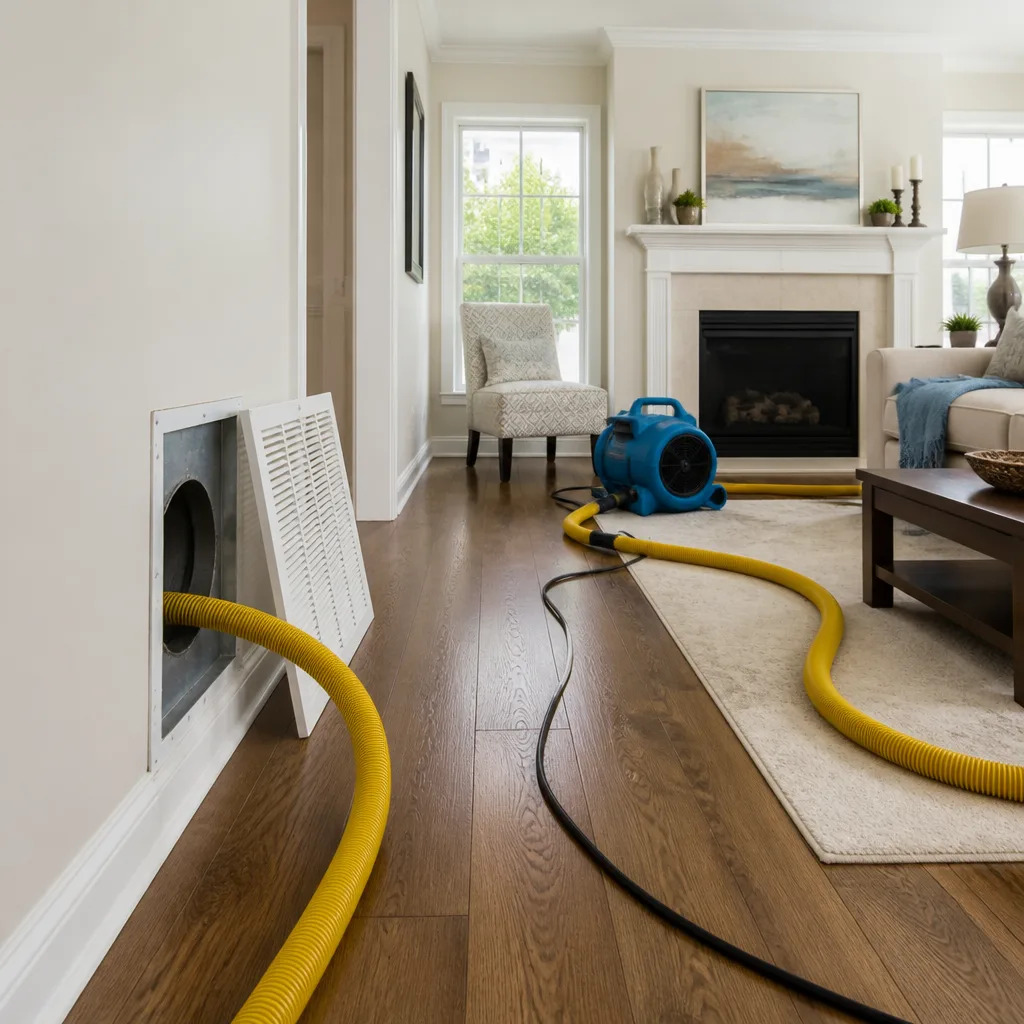 Whole-home duct cleaning
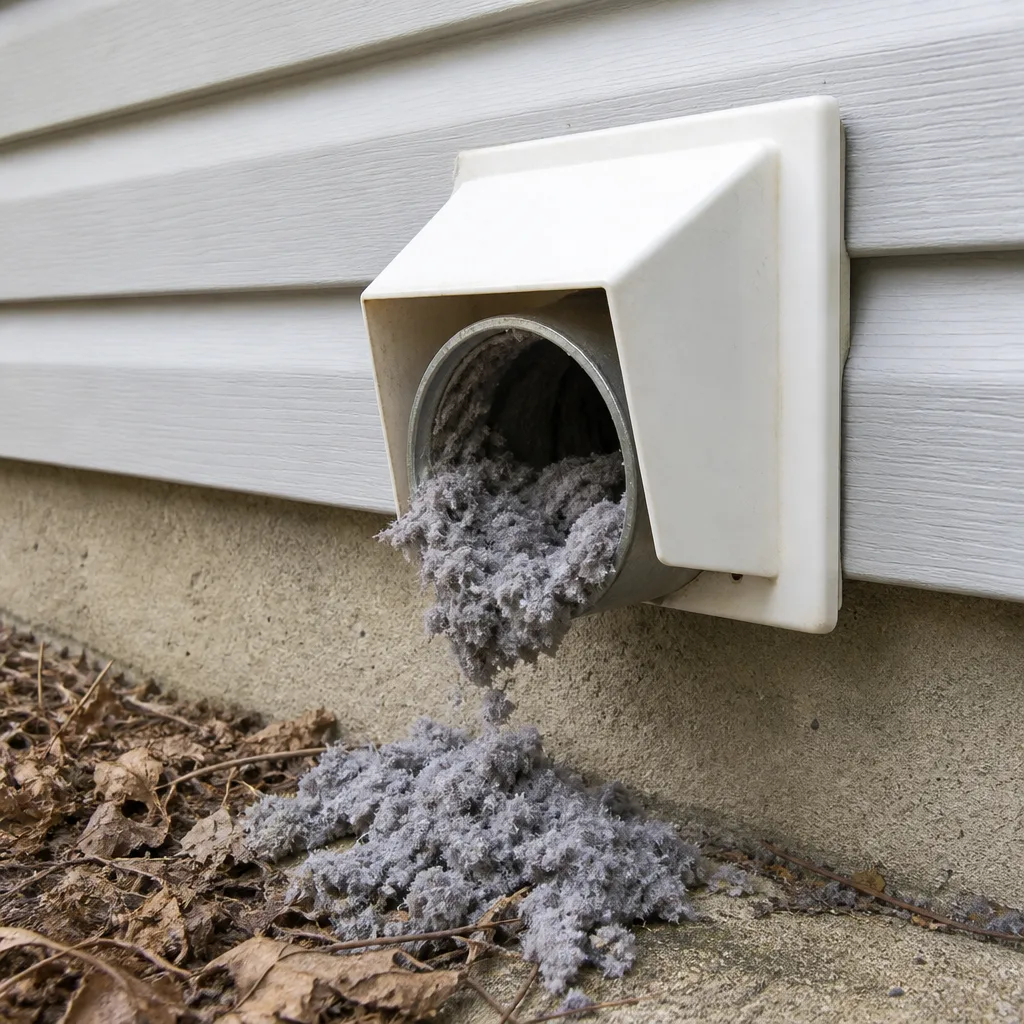 Dryer vent cleaning
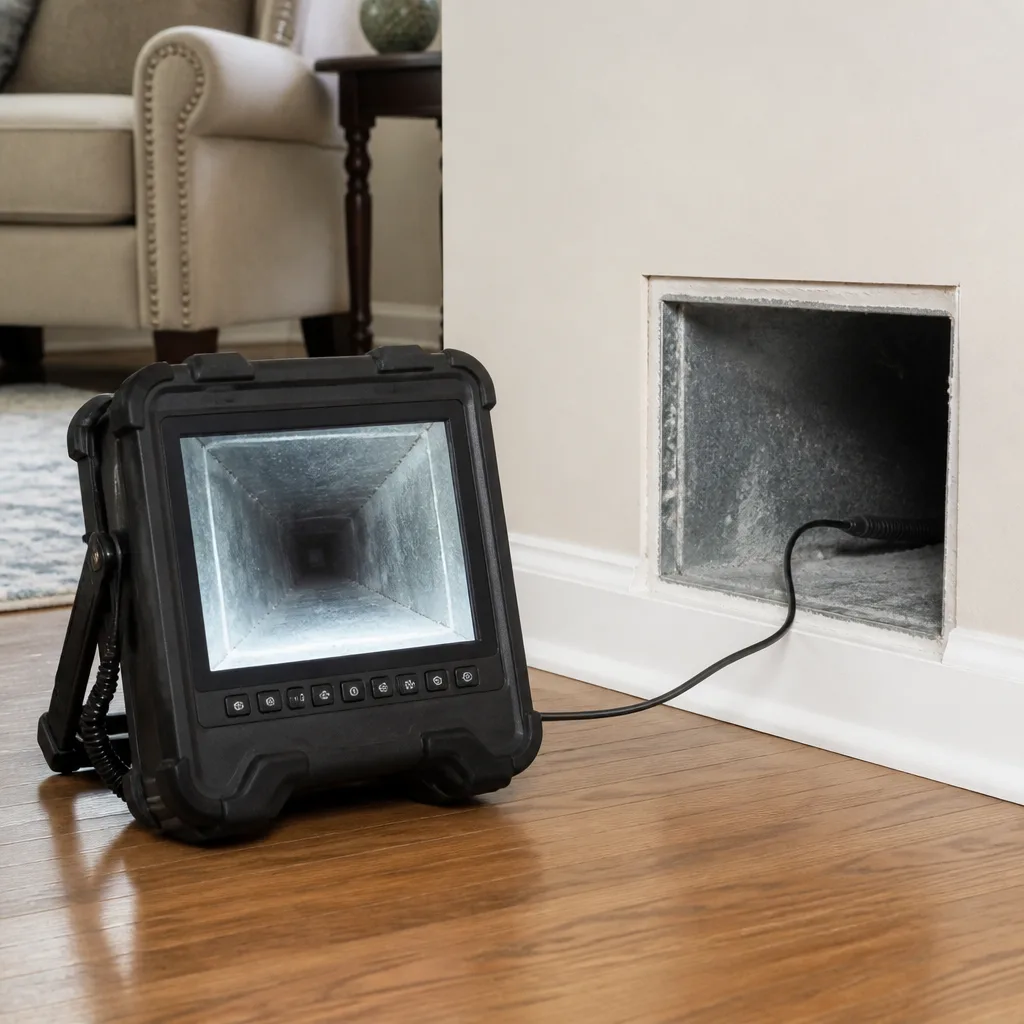 Camera inspection
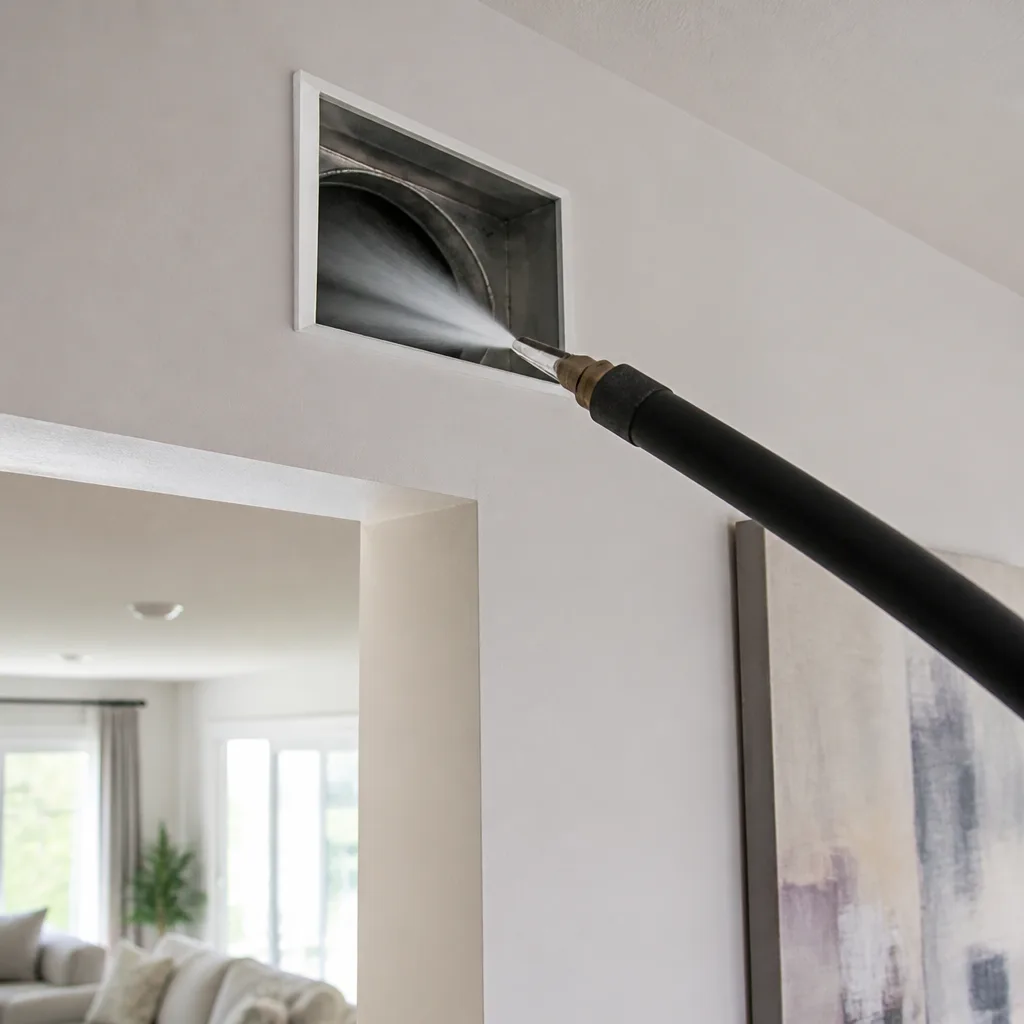 Sanitizing & deodorizing
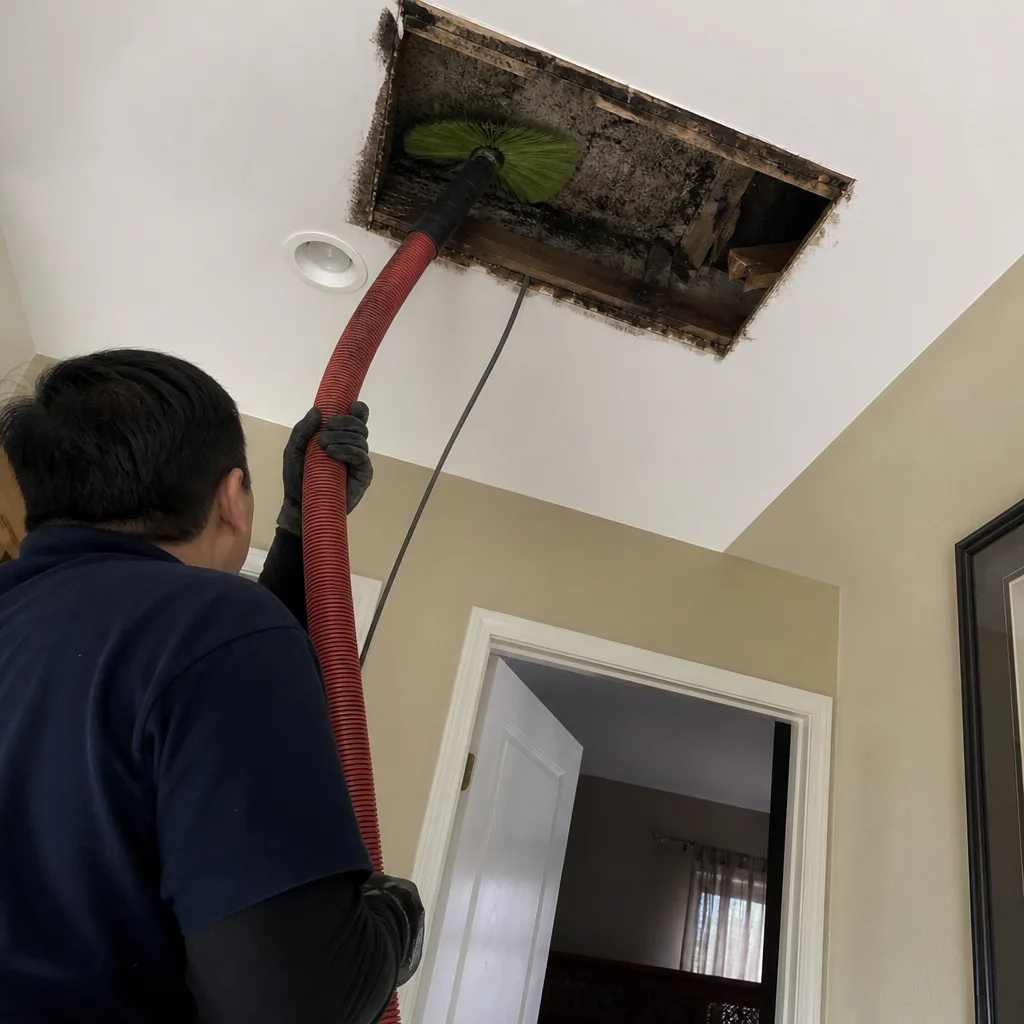
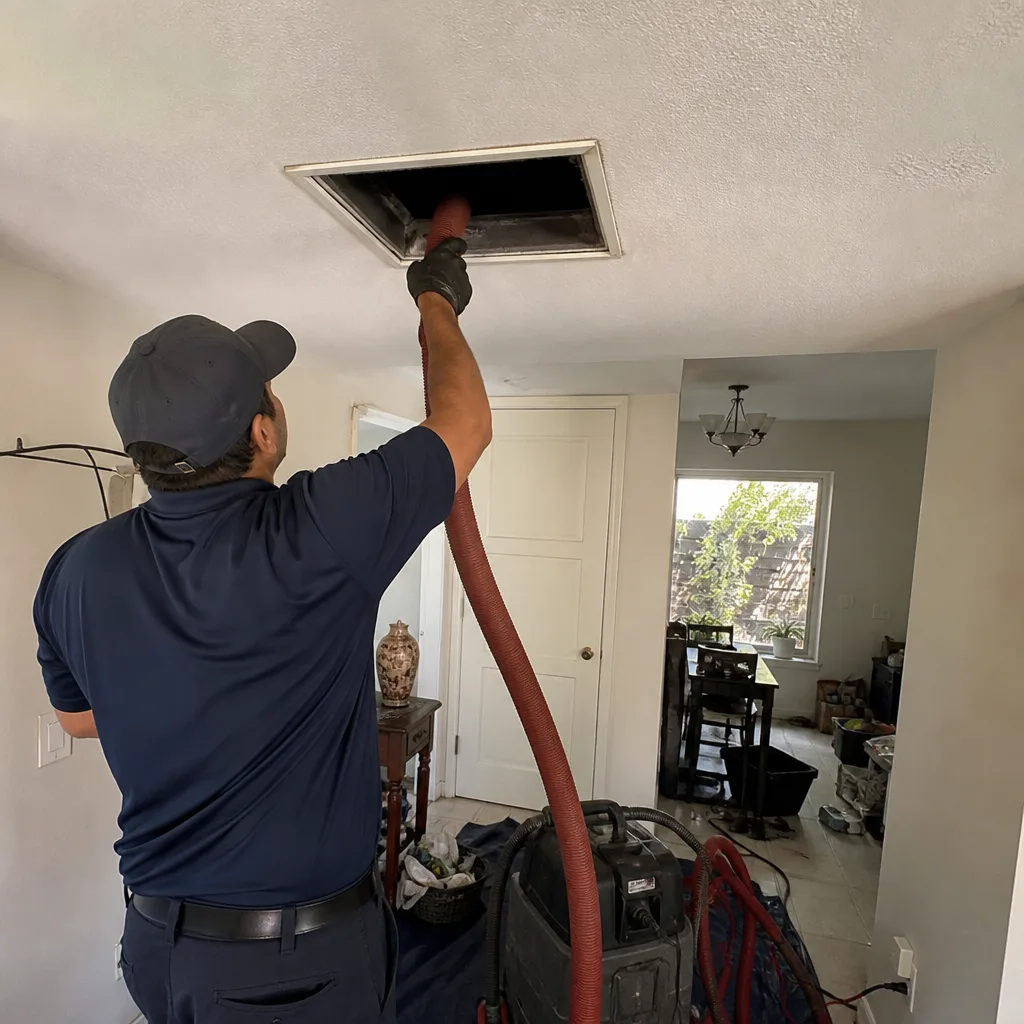
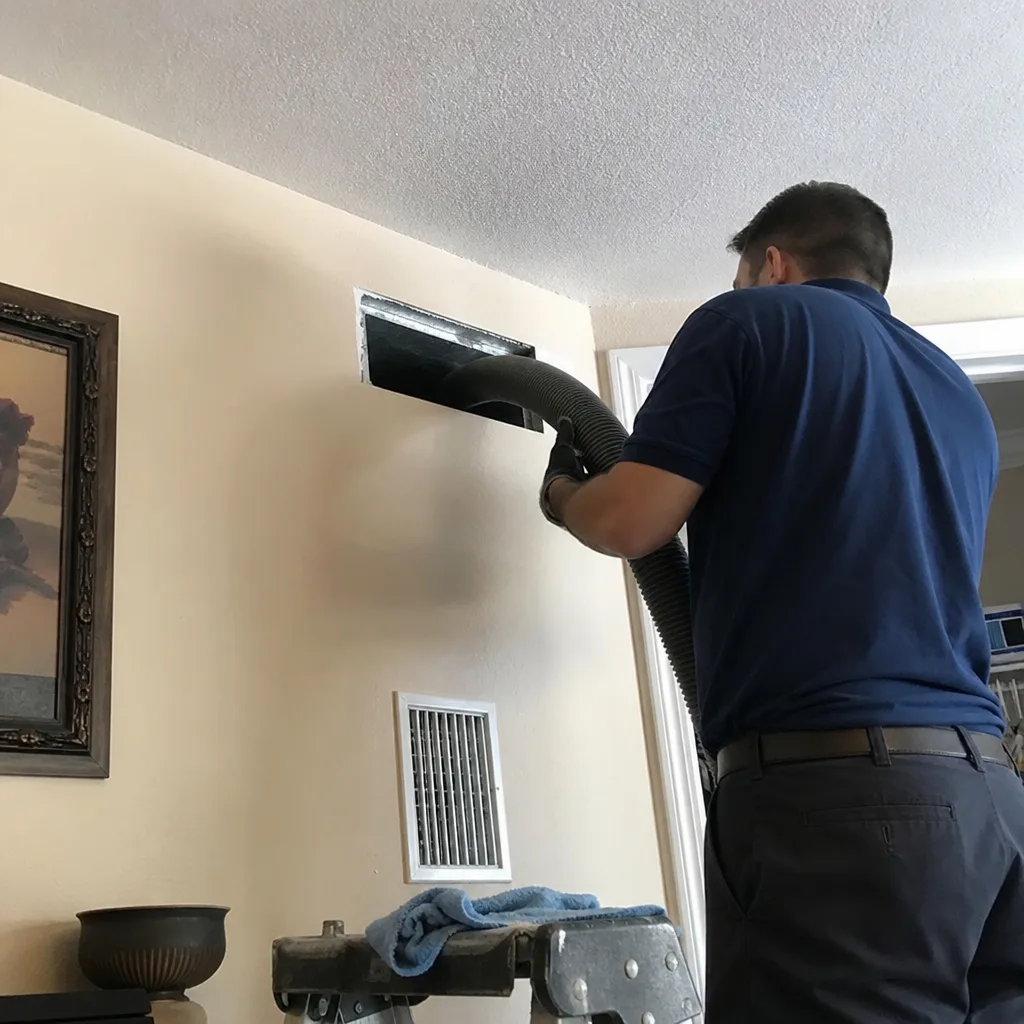
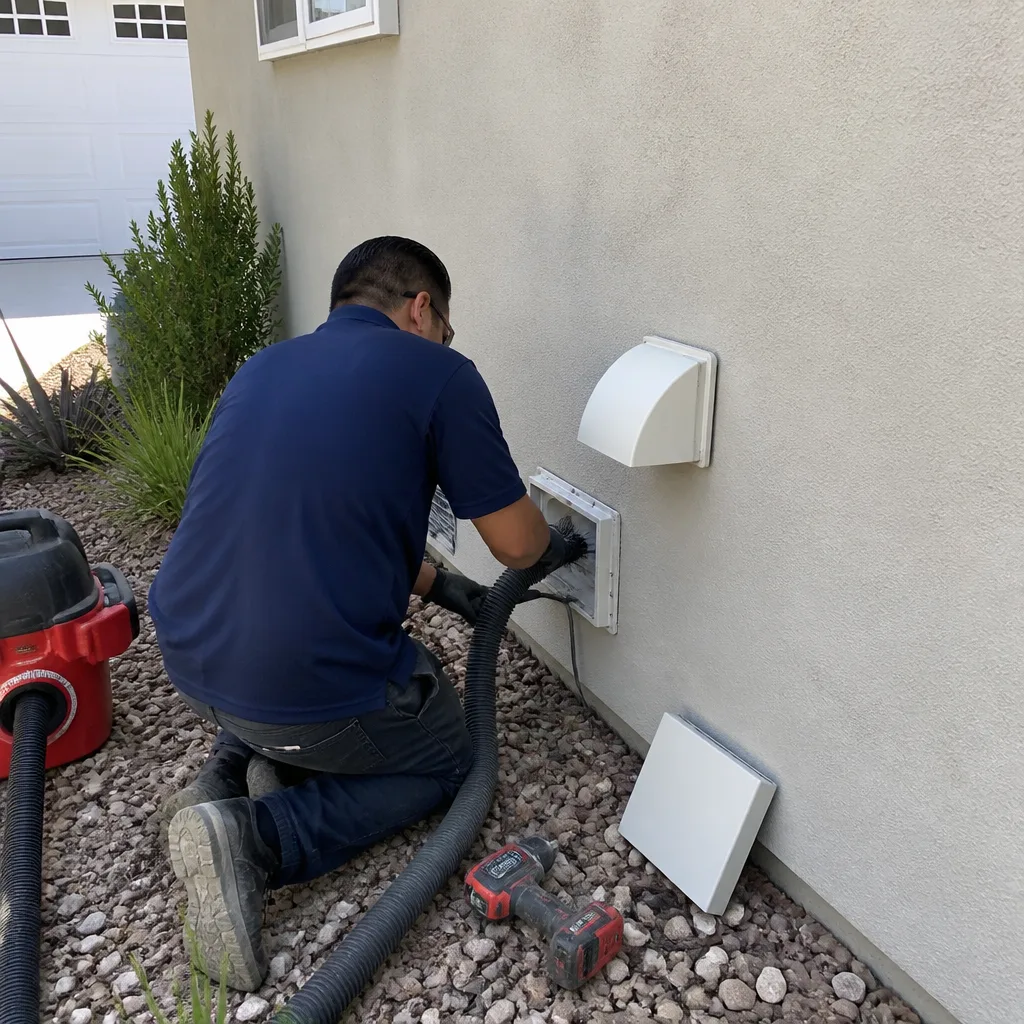
Whole-system duct and dryer vent check with before-and-after photos - you see exactly what came out of your vents
That "$99 whole-house special" is a bait ad - the real number appears once they are in your hallway, or the "clean" is a shop-vac at the register. We photograph the inside of your ducts before and after instead.
Air Duct Cleaning Permits, Codes & Inspections in CA: What You Need to Know
No California building code requires a homeowner to pull a permit for standard air duct cleaning. Read that again, because it’s the one fact most people get wrong in either direction. Some contractors wave the permit flag to scare you into paying more, and others skip permits on work that genuinely needs them. But the line between cleaning and regulated construction work is not a gray area. It’s written into the California Mechanical Code, and it matters more in Long Beach than in most cities because our older housing stock hides decades of DIY duct modifications that surface during escrow inspections. Our Complete Guide to Air Duct Cleaning in Long Beach draws that line in plain English so you know exactly when permits are required, when they’re a sales tactic, and what questions to ask before anyone touches your ducts.
Styles & brands we work with
Quick Answer
Standard air duct cleaning does not require a permit anywhere in California, including Long Beach. However, three common add-ons sold alongside cleaning jobs – duct sealing with mastic or aerosol systems, mold remediation inside ductwork, and any modification to duct sizing or layout – can trigger permit requirements under the California Mechanical Code and Long Beach municipal enforcement. The distinction comes down to whether the work is maintenance (no permit) or modification and construction (permit required).
Table of Contents
- Cleaning vs. Repair vs. Modification: Where California Draws the Line
- Duct Sealing and Permits: When Mastic Work Needs Approval
- Mold Remediation in Ductwork: When Cleaning Becomes Regulated Abatement
- Long Beach Local Enforcement: What the City Wants vs. What State Code Says
- Unpermitted Duct Modifications and Long Beach Home Sales
- Six Questions to Ask Any Contractor Who Suggests Work Beyond Cleaning
- What a Duct Inspection Actually Looks Like After Permitted Work
- Common Mistakes to Avoid
- When to Call a Professional
- Frequently Asked Questions
- The Bottom Line
Cleaning vs. Repair vs. Modification: Where California Draws the Line
The California Mechanical Code (CMC), which Long Beach adopts and enforces, treats ductwork maintenance and ductwork construction as two entirely different things. A permit is a license to build or alter. It is not a license to clean. Under CMC Section 103.1, mechanical work requiring a permit includes installation, alteration, repair, and replacement of any duct system or component. Cleaning is not on that list because cleaning does not change the system. It removes accumulated debris from surfaces that were already permitted and inspected when they were installed.
Repair occupies a middle ground. If a technician patches a small hole in a duct with metal tape, that is maintenance and typically does not require a permit. But if the repair involves replacing a section of ductwork, relocating a supply register, or changing the size of a trunk line, that is modification. It changes airflow design, affects static pressure, and can alter how the system performs. That requires a permit and a subsequent inspection. In our experience working on homes across Long Beach, from the historic craftsman houses in Bluff Heights to the mid-century tracts in Los Altos, the most common unpermitted modification we see is an amateur trunk line splice where someone tapped a new branch without resizing anything upstream.
The practical test is simple: does the work change what the duct system is, or does it restore it to what it already was? Cleaning restores. Sealing restores in most cases. Replacing sections, adding runs, moving registers, or changing duct diameters changes. When it changes, the city wants to see it.
What the Permit Covers
- Plan review: For modifications, the building department reviews the proposed change against current mechanical code requirements for airflow, insulation, and fire safety.
- Workmanship: An inspector verifies that connections are sealed, supports are adequate, and materials meet code (typically rigid metal duct or approved flex with proper tension).
- Final sign-off: The permit is closed only after the inspector approves the work. That closed permit is a legal record that protects the homeowner.
For a homeowner in Long Beach, the distinction matters for one reason above all: a closed permit is proof that the work was done to code. Closed permits survive home sales. Unpermitted work does not.
Duct Sealing and Permits: When Mastic Work Needs Approval
Duct sealing is the most confusing permit question in the industry because the answer depends on method. Brush-on mastic applied to accessible seams and joints during a maintenance visit does not require a permit anywhere in California. It is considered a repair action, no different than caulking a window. But aerosol duct sealing – the process where a fog of sealant is pumped through the system under pressure – occupies a gray area that different jurisdictions interpret differently. Long Beach has historically treated aerosol sealing as a maintenance activity when no duct sections are replaced and the system layout remains unchanged. Some other California cities require a permit for it. This is one of those cases where local enforcement diverges from state code, which is why we have included our guide to Duct Sealing in Long Beach for homeowners who want the method explained in full.
The permit trigger for duct sealing is not the sealant. It is access. If a technician has to open walls, ceilings, or floors to reach leaking duct sections, the scope of work changes from mechanical maintenance to structural modification. Opening a chase or cutting into drywall to expose ducts in a Long Beach home built before 1980 also raises lead paint and asbestos concerns that fall under separate regulatory frameworks. That work requires permits, and a contractor who suggests doing it without one is not doing you a favor. They are transferring liability to you.
When Duct Sealing Needs a Permit in Long Beach
- Access requires structural alteration: Cutting drywall, removing framing, or opening a chase to reach ducts.
- Duct sections are replaced: Sealing a system that includes new duct runs means those runs need their own permit.
- The system is rebalanced: Adding dampers, changing trunk sizes, or relocating registers as part of a sealing job requires plan review.
- Work occurs in a multifamily building: Long Beach fire code applies differently to attached housing, and duct work in shared walls has stricter requirements.
When we seal ducts in Long Beach, we use Rotobrush rotary brush systems for surface preparation and apply mastic by hand to accessible seams. The written price covers the sealing itself. If access or scope changes, the price is re-issued in writing before anything opens up. That is how the work should be done no matter who you hire.
Mold Remediation in Ductwork: When Cleaning Becomes Regulated Abatement
Mold inside ductwork is where the permit conversation gets genuinely serious, as covered in our Air Duct Cleaning Warning Signs: A Long Beach Homeowner’s Reference Guide, because California regulates mold remediation under the Department of Public Health and the California Labor Code, not just the building department. A routine duct cleaning that discovers light surface mold can often be addressed as part of the cleaning itself using EPA-registered antimicrobial products and HEPA filtration. That is still maintenance. But visible mold growth covering a significant portion of interior duct surfaces, mold in the HVAC coil, or mold that keeps returning after cleaning indicates a moisture source inside the system. Fixing that is no longer cleaning. It is remediation, and it crosses into regulated territory.
California Labor Code Section 142.6 requires that any contractor performing mold remediation affecting more than 10 square feet of surface area must be trained and certified in mold remediation practices. The building department may require a permit for the underlying moisture repair that made the mold possible in the first place. In Long Beach, where marine air keeps relative humidity high for months out of the year, condensation inside poorly insulated ducts is a common root cause. The cleaning is the easy part. The permit is for the repair that stops the moisture.
Here is the sequence a Long Beach homeowner should expect when mold is discovered during a duct cleaning estimate or service:
- Assessment: The technician identifies the mold location and the moisture source.
- Scope determination: If the affected area is under 10 square feet and the moisture source is minor (like a leaking supply register boot), remediation can happen as part of cleaning.
- Permit trigger identification: If the moisture source is structural – a roof leak, a plumbing leak inside a wall, or failed insulation in a crawl space – the repair that stops the moisture requires its own permit.
- Remediation execution: A certified remediator removes affected materials and cleans the system using negative-air machines from manufacturers like Nikro or Abatement Technologies to prevent cross-contamination.
- Verification: A clearance test confirms spore counts have returned to normal levels. This documentation matters if you sell the home.
We have seen Long Beach homeowners skip the verification step and then face a buyer’s mold inspection that reveals the problem. The remediation record is what protects you. Ask for it in writing.
Long Beach Local Enforcement: What the City Wants vs. What State Code Says
Long Beach operates its own Development Services Department and enforces the California Mechanical Code locally with some amendments. That is normal. Most California cities adopt the state code with local modifications, and Long Beach is no different. The practical effect is that the city can and does require permits for work that the state code leaves to local discretion. Duct work falls squarely into that category.
The city’s primary concern is not whether your ducts are clean. It is whether the air moving through them is safely contained, properly sized, and not creating a fire hazard. Long Beach has a significant stock of pre-1950 homes in neighborhoods like Rose Park, Belmont Heights, and the Willmore District where original duct systems were designed for gravity heating or were added later without permits. When a modification is proposed on a system that was never permitted in the first place, the city may require the entire system to be brought current. That can mean a much larger scope of work than the original estimate.
This is where a disciplined contractor matters. A contractor who knows Long Beach permitting will tell you before work starts whether your system’s history creates a scope risk. A contractor who does not know or does not care will start cutting and let you discover the problem when the inspector shows up. The Garrison Code, the operational standard we run on at Hollis Air Duct Long Beach, requires pricing in writing and scope in writing. If a permit is in the picture, you know before the work starts, not after the wall is open.
Long Beach-Specific Permit Requirements at a Glance
- Standard duct cleaning: No permit required. No inspection required.
- Duct sealing with mastic on accessible surfaces: No permit required unless access requires structural alteration.
- Duct section replacement: Permit required for any replaced section over a few feet in length. Mechanical permit through Development Services.
- New duct runs or added supply registers: Permit required. Plan review includes Manual D or equivalent sizing compliance.
- Mold remediation over 10 square feet: Contractor certification required under state law. Underlying moisture repair may require a separate building permit.
- Duct replacement in a multifamily building: Permit required and fire code compliance may apply to shared wall penetrations.
Unpermitted Duct Modifications and Long Beach Home Sales
Long Beach real estate moves fast, but escrow is where unpermitted work gets caught. Home inspectors in our market routinely flag duct modifications that lack permits, especially when visible workmanship is poor. PEX water lines and bad electrical panels get the attention, but duct work is on the checklist too. A home that had a new branch line added to a bedroom without a permit becomes a disclosure item. The seller can close escrow anyway, but the buyer often asks for a credit to bring the system current. The seller pays either way.
The amount at stake varies. Bringing an unpermitted duct modification current in Long Beach typically costs between $400 and $1,800 depending on whether the inspector requires just a permit and inspection of existing work or a plan review with corrections. That does not include the cost of fixing whatever was done wrong. And it is not unusual for unpermitted work to have been done wrong. Flex duct with too much slack, improperly sealed connections, undersized returns, and missing straps are all common on unpermitted modifications we see in Long Beach homes.
The lesson is simple: if you are buying a home in Long Beach and the inspection notes duct modifications, ask the seller to pull the permit and close it out before you sign. If you are selling, address it before listing. And if you are the homeowner who hired an unpermitted modification years ago, the cheapest time to fix it is before it becomes someone else’s problem. Our Hollis Air Duct Long Beach home page explains how we assess and correct unpermitted duct work, and our Air Duct Cleaning in Long Beach service page covers the full scope of what we do.
Six Questions to Ask Any Contractor Who Suggests Work Beyond Cleaning
The moment a contractor moves from “your ducts need cleaning” to “you should also do this,” the permit conversation changes. Here are the questions that separate a straight answer from a dodge. These are the questions we would want a family member to ask.
- “Does this work require a permit in Long Beach?” A contractor who hesitates or says “we can do it without one” is telling you something. A contractor who says “yes, and here is how we handle it” is the one to trust.
- “Will the permit be in my name or yours?” The permit should be in the contractor’s name as the licensed professional, with you listed as the property owner. If they want you to pull the permit, that is a red flag that they are not licensed for the work.
- “What does the inspector check after the work is done?” If the contractor cannot tell you what the inspector will look at, they have likely never had permitted work inspected. That is not a contractor who does permitted work.
- “What happens to my price if the inspector requires corrections?” Corrections after a failed inspection are a cost. The contract should say who pays for them. If the contractor will not put it in writing, assume it is you.
- “Can you show me a closed permit from a similar job in Long Beach?” A closed permit is a public record. Any contractor who has done permitted work in Long Beach can cite the address and permit number. If they cannot, they have not done the work.
- “How do you handle mold if you find it during the job?” The answer should include a stop-work trigger, a written scope change, and a remediation plan. If the answer is “we just spray it,” that is not remediation under California law.
Roy Castellanos, who runs Hollis Air Duct Long Beach, has a standing rule on this: the permit conversation happens before the work, not after the wall is open. That is not a sales pitch. It is how you avoid owning a problem you did not create.
What a Duct Inspection Actually Looks Like After Permitted Work
If you do need a permit for duct modification or replacement in Long Beach, the inspection is not a mystery. Understanding it in advance removes the anxiety and sets expectations for what the contractor should have done before the inspector arrives. A typical mechanical inspection for duct work takes 15 to 30 minutes and focuses on a handful of specific code requirements.
The inspector will check that duct connections are properly sealed, typically with mastic or UL-listed tape, not standard cloth duct tape. They will verify that flex duct runs do not exceed code maximum lengths and are pulled taut without kinks. They will confirm that supply and return registers are properly fastened, that duct sections in unconditioned spaces are insulated to the required R-value, and that fire blocking is intact where ducts pass through walls. They will also verify that the work matches what was submitted on the permit drawing.
For a homeowner, the most useful thing to do during the inspection is listen. The inspector’s comments are a free education on the condition of your system. We tell our Long Beach customers to ask the inspector two questions: “Is there anything else in the duct system that concerns you?” and “What should I have checked next?” Inspectors see hundreds of systems in Long Beach and their answers are often more valuable than the permit sign-off itself.
After a passed inspection, the permit is closed and the record is final. Keep the closed permit document in the same folder as your home insurance policy and your warranty paperwork. When you sell the home, it is your proof that the work was done correctly.
Common Mistakes to Avoid
- Assuming all duct work is exempt from permitting. Cleaning is exempt. Modification is not. Replacing a section of duct because it is crushed or disconnected is a modification, and doing it without a permit can follow you into escrow.
- Paying a premium for “permit-included” cleaning. Some Long Beach companies charge extra for a permit that is not required. A standard cleaning needs no permit, and any company that tells you otherwise is either confused or using permit talk as an upsell.
- Accepting a verbal scope change. If mold is found or a duct section needs replacement mid-job, the scope change should be written, priced, and signed before work continues. Verbal agreements do not protect you when an inspector asks questions later.
- Skipping the mold clearance test. Remediation is not done until air samples confirm it is done. A visual check is not the same thing. Without clearance documentation, you will answer for that mold during a future home sale.
- Pulling a permit yourself for a contractor’s work. The licensed contractor should hold the permit. If they ask you to pull it, that is a strong signal they are not licensed for the scope. A homeowner-held permit for contractor work transfers liability to you.
- Ignoring unpermitted work found during a home inspection. The cheap fix is never after escrow closes. Ask the seller to correct it or credit you for the cost. Once the sale closes, the permitting problem belongs to you alone.
- Treating Long Beach code as identical to L.A. County code. Long Beach enforces its own Development Services rules. Work that a contractor did in Torrance or Lakewood under different interpretations may not fly here. Hire someone who works in Long Beach regularly.
When to Call a Professional
Call a licensed contractor when the scope moves beyond cleaning. If an estimate reveals crushed duct sections, disconnected runs, visible mold, or a system that has been modified without permits, the right move is a qualified professional who understands Long Beach permitting and can handle the process from permit application to final inspection. The same applies if you are buying or selling a home and the inspection flags duct issues. The longer unpermitted work sits, the more it costs to correct. If you are in the Long Beach area and want a straight answer about whether your duct work needs a permit, contact Hollis Air Duct Long Beach for a free estimate at (562) 548-7365. We will tell you what we see, what it costs, and whether a permit is in the picture before any work starts.
Frequently Asked Questions
No. Standard air duct cleaning is a maintenance activity and does not require a permit anywhere in California, including Long Beach. Any contractor who tells you a permit is needed for routine Air Duct Cleaning services is either mistaken or using permit language to justify a higher price. Call (562) 548-7365 if you want a second opinion before signing.
Bringing unpermitted duct work current in Long Beach typically costs between $400 and $1,800 for the permit and inspection process alone, with actual repair costs on top of that range depending on what the inspector finds. The longer unpermitted work goes uncorrected, the more likely it is to require plan review and corrections. A free estimate from Hollis Air Duct Long Beach will give you a written number for the whole scope.
Hand-applied mastic sealing on accessible duct surfaces does not require a permit. A permit becomes necessary if the sealing job requires cutting into walls, replacing duct sections, or altering the system layout. If access is the question, ask before the work starts, not after the drywall is open.
Mold covering less than 10 square feet can often be addressed during the cleaning itself with EPA-registered products and HEPA filtration. Larger areas trigger California’s mold remediation regulations, which include contractor certification requirements and possibly a permit for the underlying moisture repair. The moisture source is the permit concern, not the cleaning.
You can sell, but you will likely pay for it. Home inspectors commonly flag unpermitted duct work in Long Beach, and buyers typically ask for a credit or a completed permit before closing. The cheapest time to address it is before the home goes on the market. The next cheapest is before escrow closes.
Permits are public records. Call the Long Beach Development Services Department and ask for the permit status by address. A closed permit means the work passed inspection. An open permit means the work was never finalized and the contractor left you holding an open file. Every Hollis Air Duct Long Beach job that includes permitted work includes the permit number on your written scope.
The Bottom Line
Standard air duct cleaning needs no permit in California, full stop. The risk is in the add-ons: duct sealing that requires structural access, mold remediation over 10 square feet, and any modification that changes your system’s design. Those trigger permits under the California Mechanical Code as enforced by Long Beach Development Services. A straight contractor tells you up front. A sketchy one lets you find out later. Ask the six questions, get the scope in writing, and if the work needs a permit, make sure the permit is pulled, inspected, and closed before you pay the final invoice. For more guides & resources on protecting your home, see our blog. In Long Beach, that is not an unusual standard. It is the only one that protects you.
Call Hollis Air Duct Long Beach at (562) 548-7365 for a free estimate on any duct cleaning, sealing, or dryer vent work. Written prices, no-permit-required cleaning explained clearly, and permitted work handled by the book.
Written by Roy Castellanos, Owner at Hollis Air Duct Long Beach, serving Long Beach since 2004.
See the difference
 Before
 After
After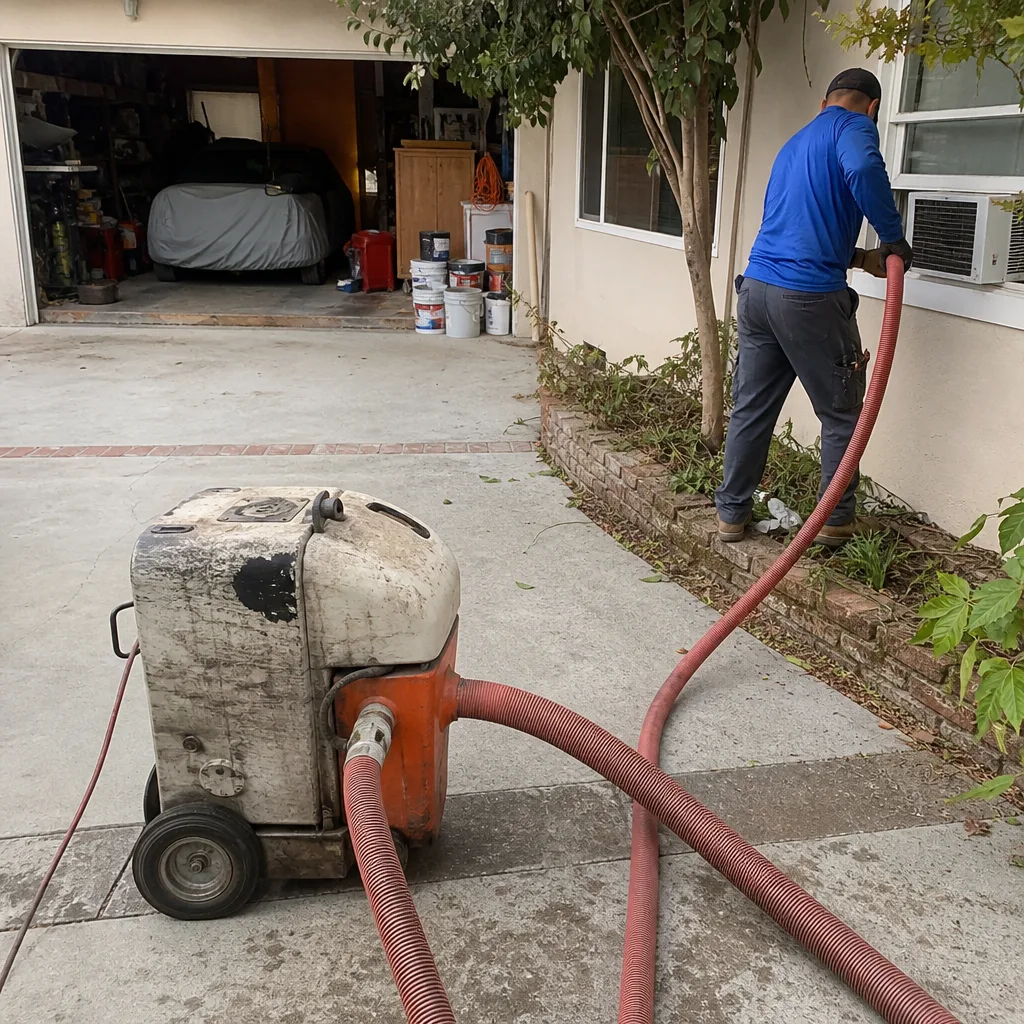 Before
 After
After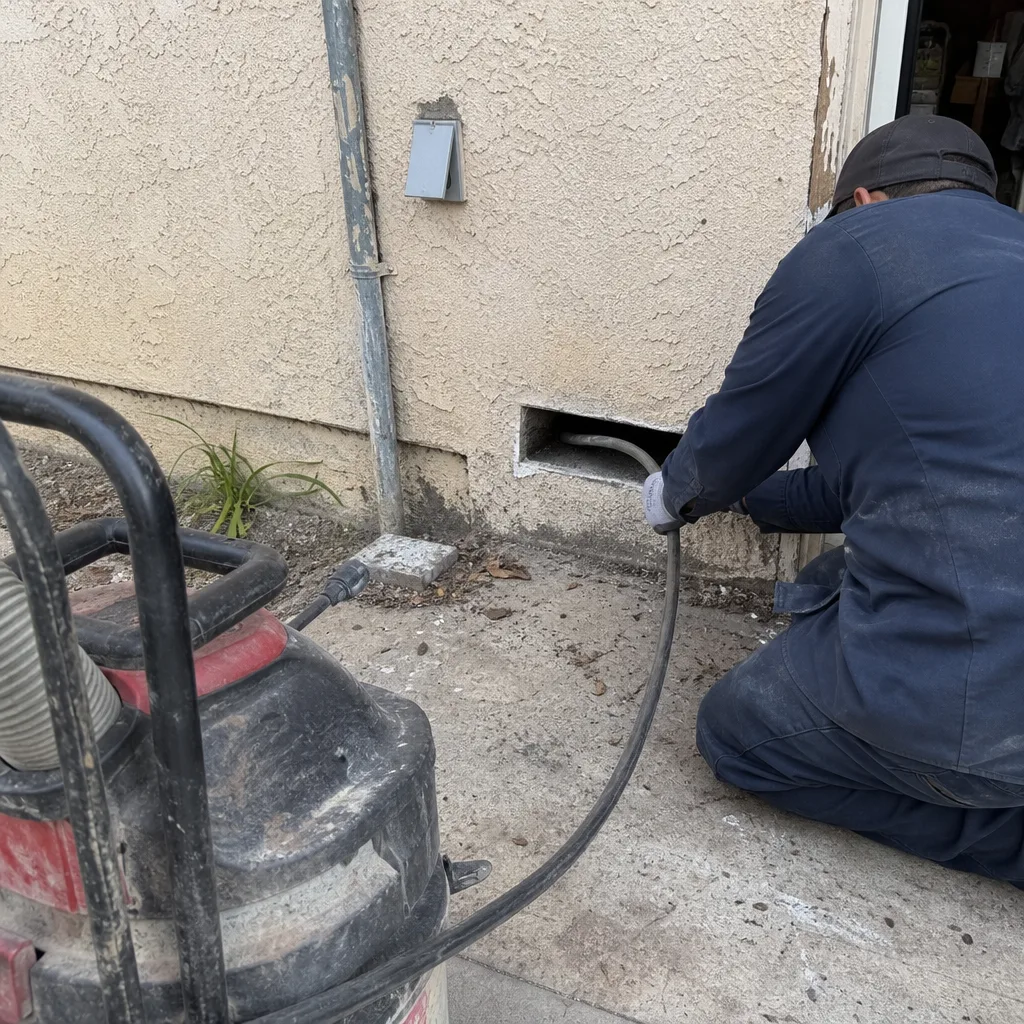 Before
 After
After