
Last updated October 15, 2026
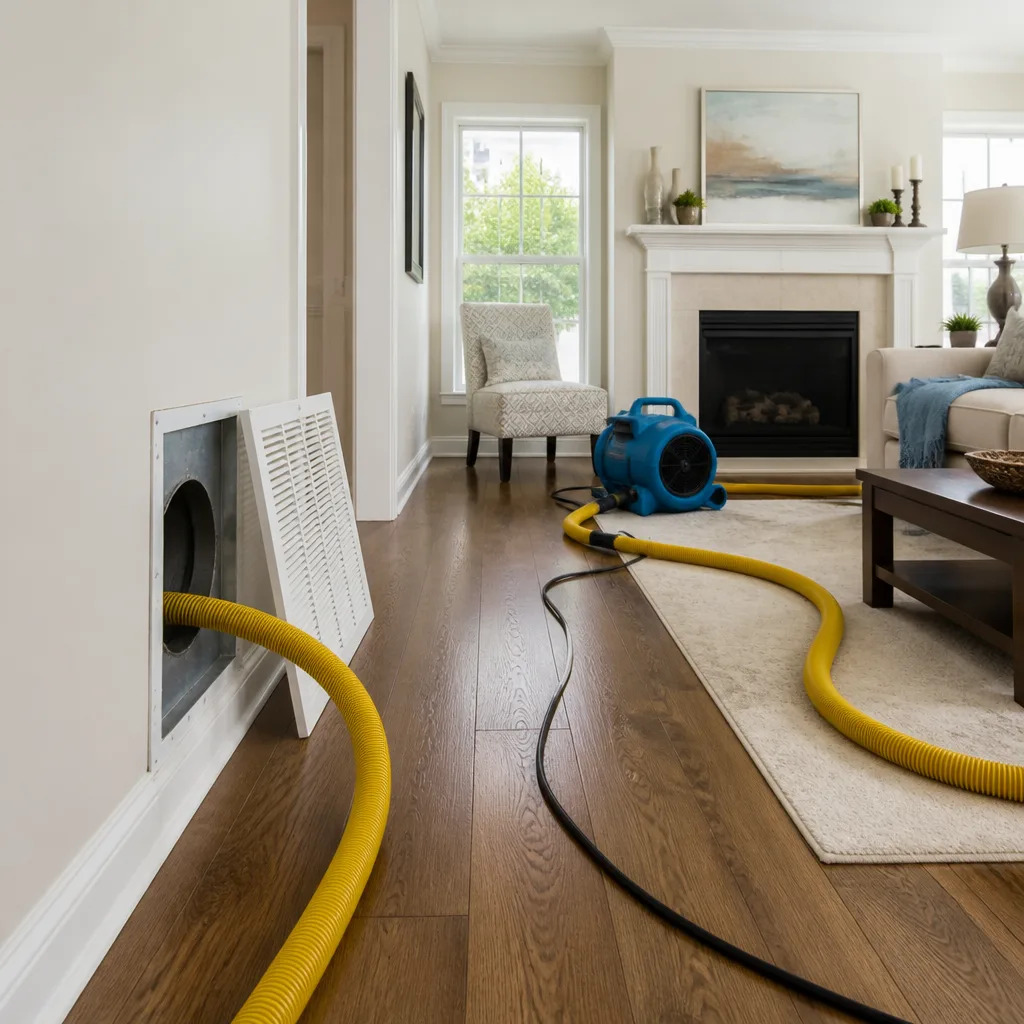 Whole-home duct cleaning
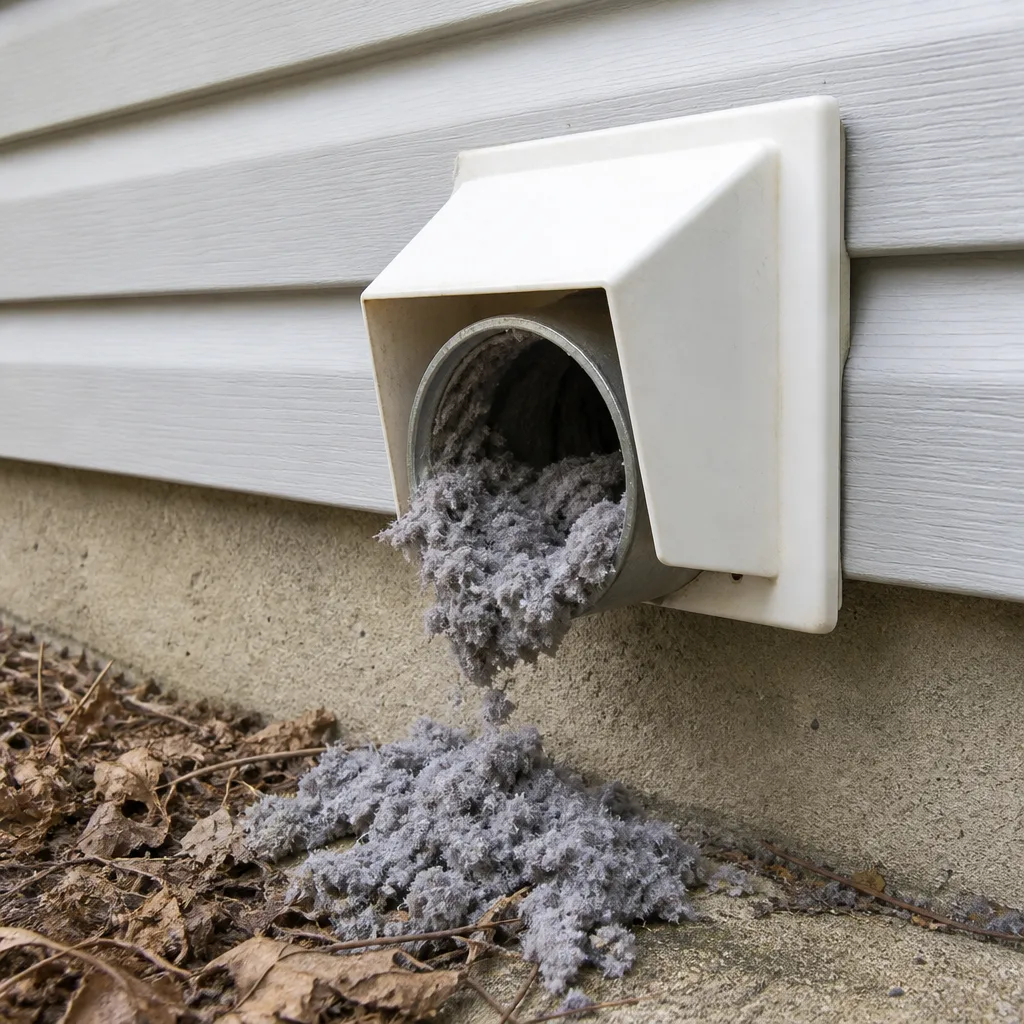 Dryer vent cleaning
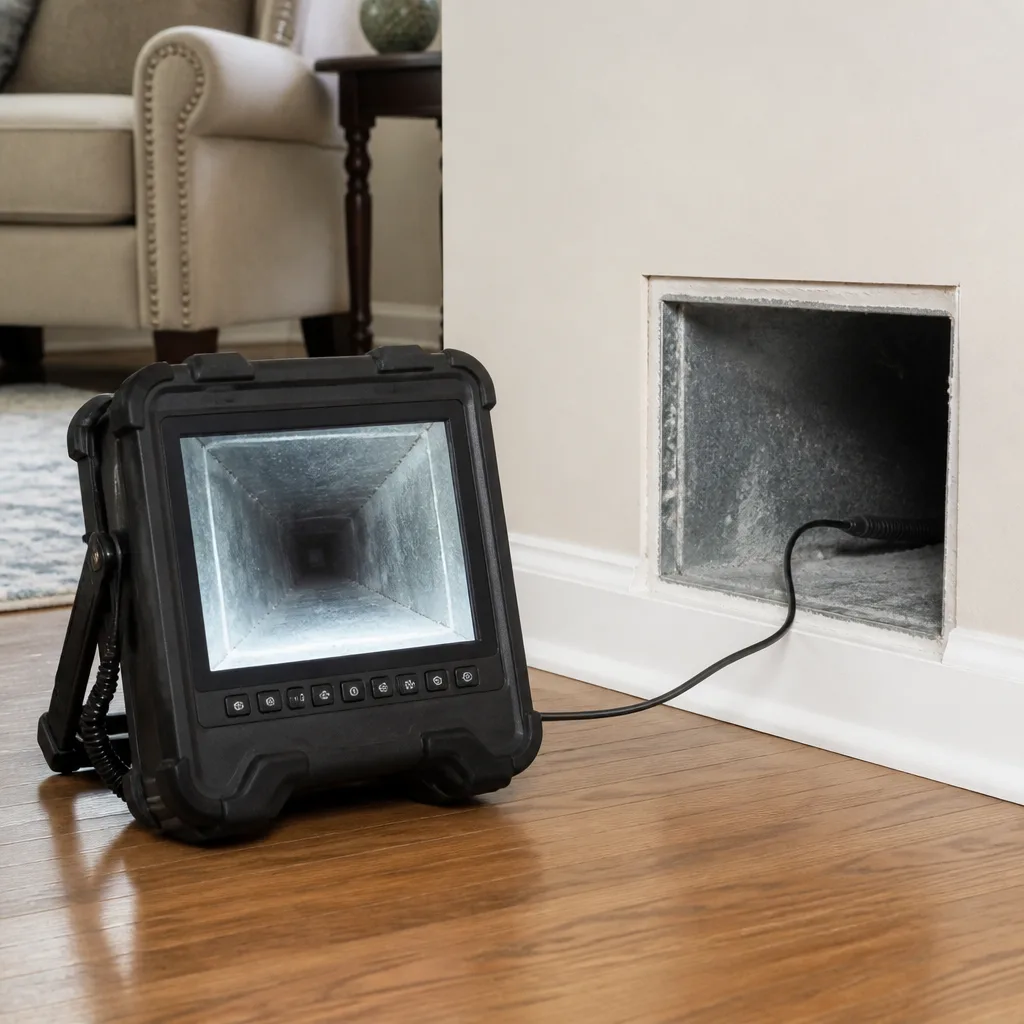 Camera inspection
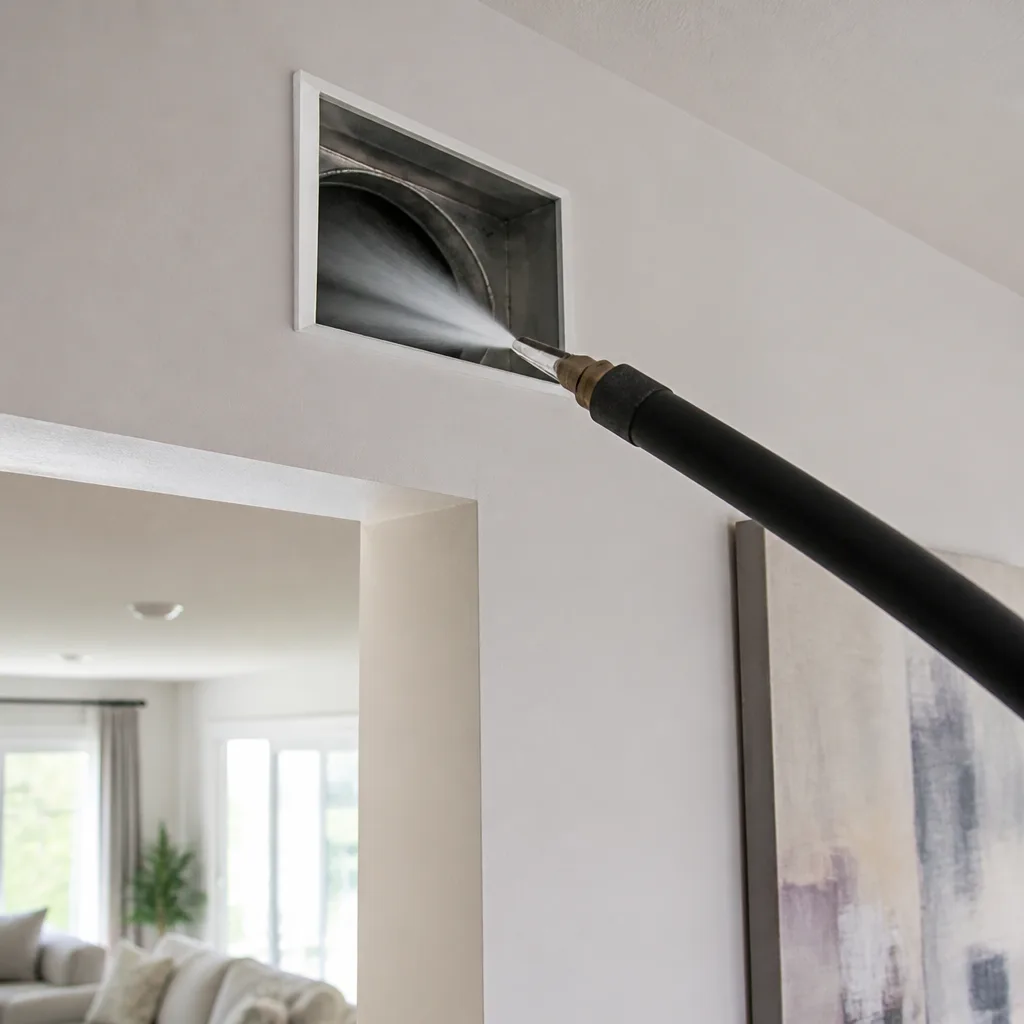 Sanitizing & deodorizing
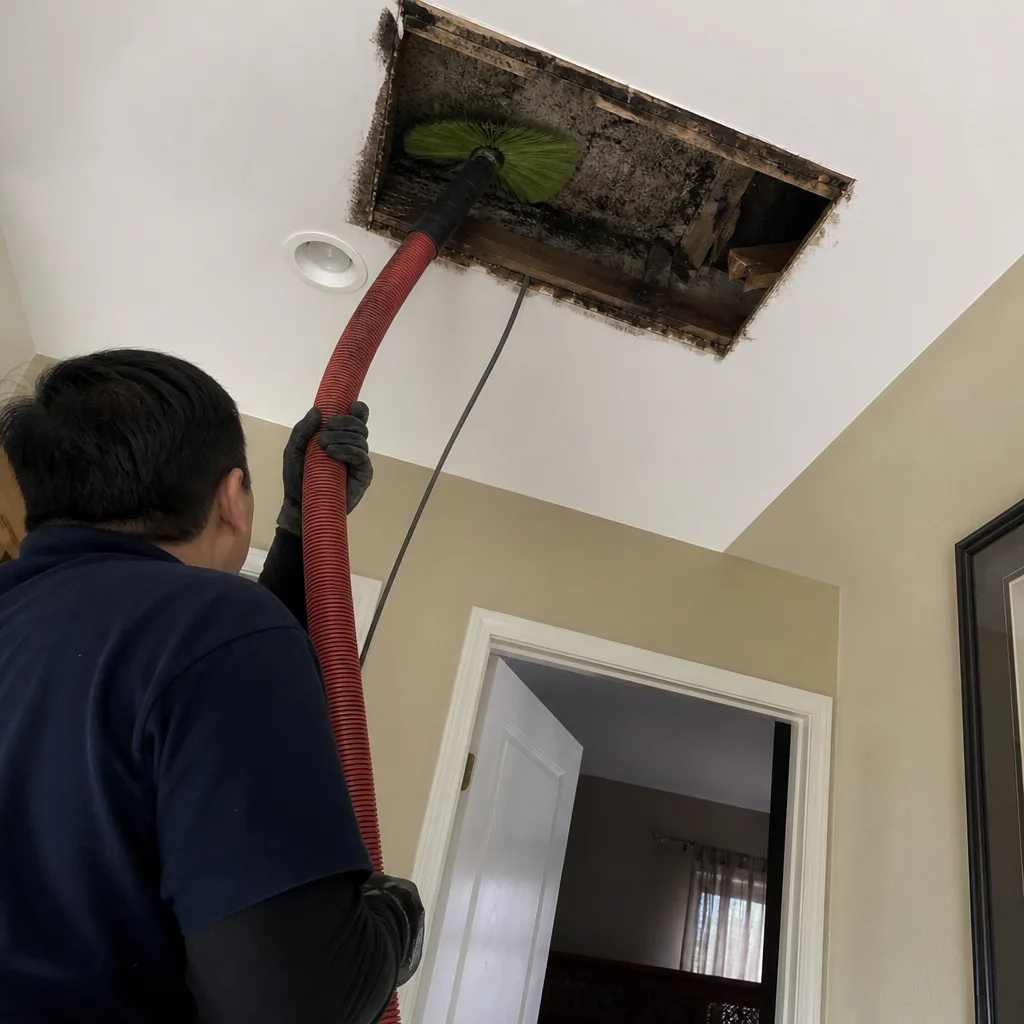
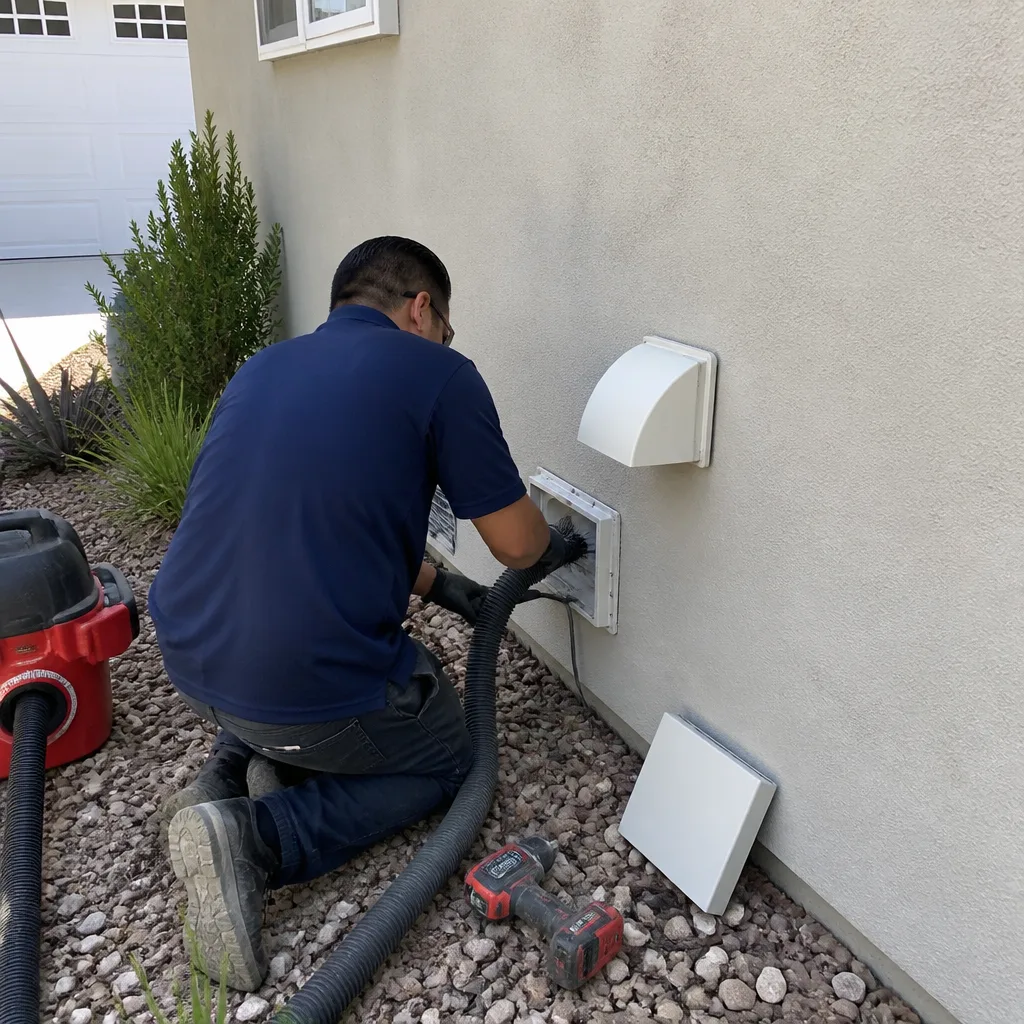
Whole-system duct and dryer vent check with before-and-after photos - you see exactly what came out of your vents
That "$99 whole-house special" is a bait ad - the real number appears once they are in your hallway, or the "clean" is a shop-vac at the register. We photograph the inside of your ducts before and after instead.
DIY vs Professional Air Duct Cleaning: The Long Beach Homeowner’s Decision Guide
A shop vac and a brush can clean the first few feet of a supply duct. Everything past the first bend, which is where most settled contamination lives in Long Beach homes, requires a negative pressure machine pulling from the plenum to move debris toward collection rather than further into the system. This guide and our How to Hire a Air Duct Cleaning Contractor in Long Beach: A Step-by-Step Guide explain exactly where a homeowner’s DIY capability ends and what professional equipment actually does differently, so your decision rests on physics rather than marketing. We’ll cover the mechanical limits of consumer tools, what you can genuinely accomplish yourself, the specific conditions in Long Beach where DIY is never the right call, and how to size up any professional quote you receive.
Styles & brands we work with
Quick Answer
DIY air duct cleaning in Long Beach can deliver a meaningful improvement to visible register surfaces and the first accessible run of ductwork, but it cannot replicate the source-removal results of professional negative-air equipment. For most Long Beach homeowners, the right answer is a two-part approach: maintain vents and registers yourself between professional cleanings every 3 to 5 years, and hire a professional when you’re dealing with post-renovation dust, mold, rodent activity, or a system that hasn’t been cleaned in over a decade. The tools aren’t the same, and neither is the outcome.
Table of Contents
- The Essential Difference: Source Removal vs Surface Treatment
- What a Long Beach Homeowner Can Genuinely Do With Consumer Tools
- Where DIY Stops Short: The Physics of Negative Pressure
- When DIY Is Never Appropriate in Long Beach
- How to Evaluate Whether a Professional Quote Is for Source Removal or Surface Treatment
- The Cost-Benefit Frame: What DIY Saves and What It Leaves Unresolved
- Long Beach-Specific Factors That Change the Equation
- Common Mistakes to Avoid
- When to Call a Professional
- Frequently Asked Questions
- The Bottom Line
The Essential Difference: Source Removal vs Surface Treatment
Air duct cleaning falls into two categories, and the distinction governs everything about what you can expect from a job. Surface treatment addresses what you can see and reach: register covers, the visible interior of the duct opening, and grille surfaces. Source removal addresses what has accumulated inside the duct system itself: the settled dust, construction debris, pet dander, and particulate that sits along the full length of the duct run, particularly in the return side where air is drawn back to the blower.
Here’s the key fact most homeowners in Long Beach never hear: the majority of settled material in a residential duct system does not sit in the first few feet of a supply run. It accumulates further down the line, in the trunk lines, and in the return plenum, where air velocity drops and particles fall out of the airstream. A homeowner with a shop vac, a brush kit, and determination can clean what they can touch. What they cannot reach is where the problem actually concentrates.
This distinction is why the air duct cleaning approach in Long Beach that produces real results relies on professional equipment rather than elbow grease alone. The goal is not to make the visible registers look better. The goal is to remove what’s hiding where you can’t see it. Those are two different jobs, and only one of them can be done with consumer tools.
Source removal means the contaminant leaves the home entirely. Surface treatment means it gets knocked loose and redistributed. When a homeowner runs a brush through the first few feet of a duct without extraction equipment running at the air handler, they are not removing debris. They are moving it. And often, they are moving it deeper into the system.
What a Long Beach Homeowner Can Genuinely Do With Consumer Tools
Being honest about what DIY cannot do doesn’t mean it has no value. There are specific tasks a homeowner in Long Beach can perform with a high-powered wet/dry vacuum, a stiff-bristled brush, and a screwdriver that genuinely improve conditions in the home. The key is knowing exactly what these tasks accomplish and not mistaking them for a full system cleaning.
Here’s what you can effectively do yourself:
- Register and grille cleaning: Remove each supply register and return grille, wash them with warm water and mild detergent, dry them thoroughly, and vacuum the visible opening behind each one. This removes dust that has caked onto the surfaces you see every day.
- First-run access cleaning: With a vacuum hose and brush attachment, you can reach the first 12 to 18 inches of most supply runs. This captures loose debris and dust that has settled near the opening and prevents it from continuing to circulate into the room.
- Return grille maintenance: The return side pulls air toward the blower and typically accumulates more surface dust than supply registers. Vacuuming the return grille and wiping the surrounding wall surface reduces the load entering the filter.
- Filter replacement scheduling: This isn’t cleaning, but it’s the single highest-impact maintenance task a homeowner controls. Check your filter every 30 days during heavy-use months and replace or clean it per the filter’s rated interval.
These tasks are worth doing. They reduce visible dust on registers, help the filter work more efficiently, and give you a baseline understanding of what’s accumulating in your system. But none of them touch the interior surfaces of the main trunk lines, the return plenum, the branch runs beyond the first bend, or the blower cabinet. Those areas require equipment designed to create negative pressure inside the system while mechanically agitating the interior surfaces.
Roy Castellanos, owner at Hollis Air Duct Long Beach home, puts it simply: what a homeowner does at the register is maintenance. What a professional does at the plenum is cleaning. Both have a place, but they are not interchangeable.
Where DIY Stops Short: The Physics of Negative Pressure
Here’s the mechanical reality that most DIY guides skip, and it’s the single most important thing to understand before you decide whether to hire a professional in Long Beach.
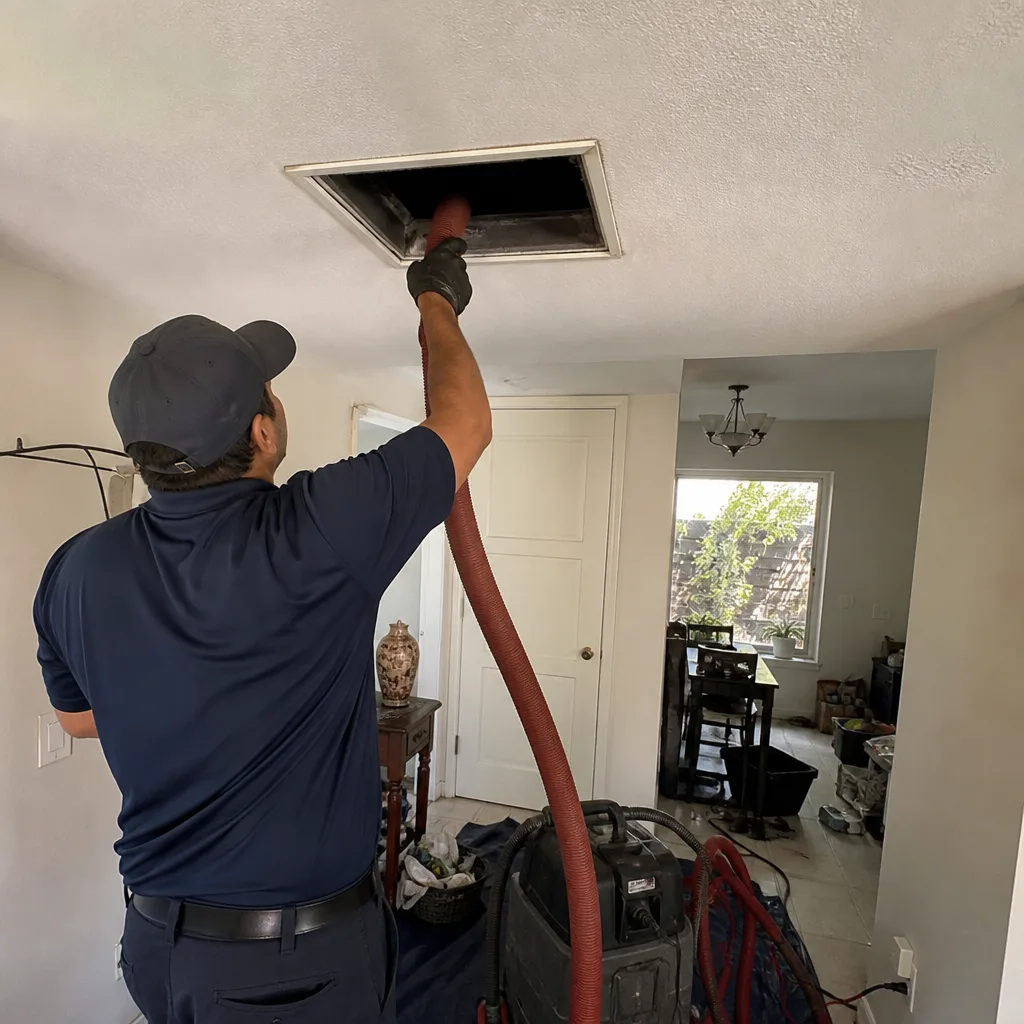
Your duct system is a closed network of passageways. Air moves through it because the blower creates a pressure differential: lower pressure on the return side where air is drawn in, higher pressure on the supply side where conditioned air is pushed out. When a professional cleans your system, they do not simply push brushes through the ducts. They connect a powerful vacuum unit, typically a negative-air machine like those from Nikro or Abatement Technologies, to the main trunk line or plenum. This machine pulls the entire system into negative pressure while a rotary brush system, such as a Rotobrush, agitates the interior surfaces to loosen debris.
The negative pressure matters because it controls where the loosened debris goes. When the system is under suction at the air handler, every particle that gets knocked free is drawn toward the collection point and removed from the home. Without that simultaneous extraction, agitation simply pushes debris further down the duct run. The contaminant does not leave the system. It relocates.
Think of it this way: if you sweep dust off a floor with no dustpan, you haven’t removed the dust. You’ve moved it to a different part of the floor. Running a brush through a duct without extraction equipment at the plenum does the same thing inside your walls. The dust you can’t see isn’t gone. It’s just deeper.
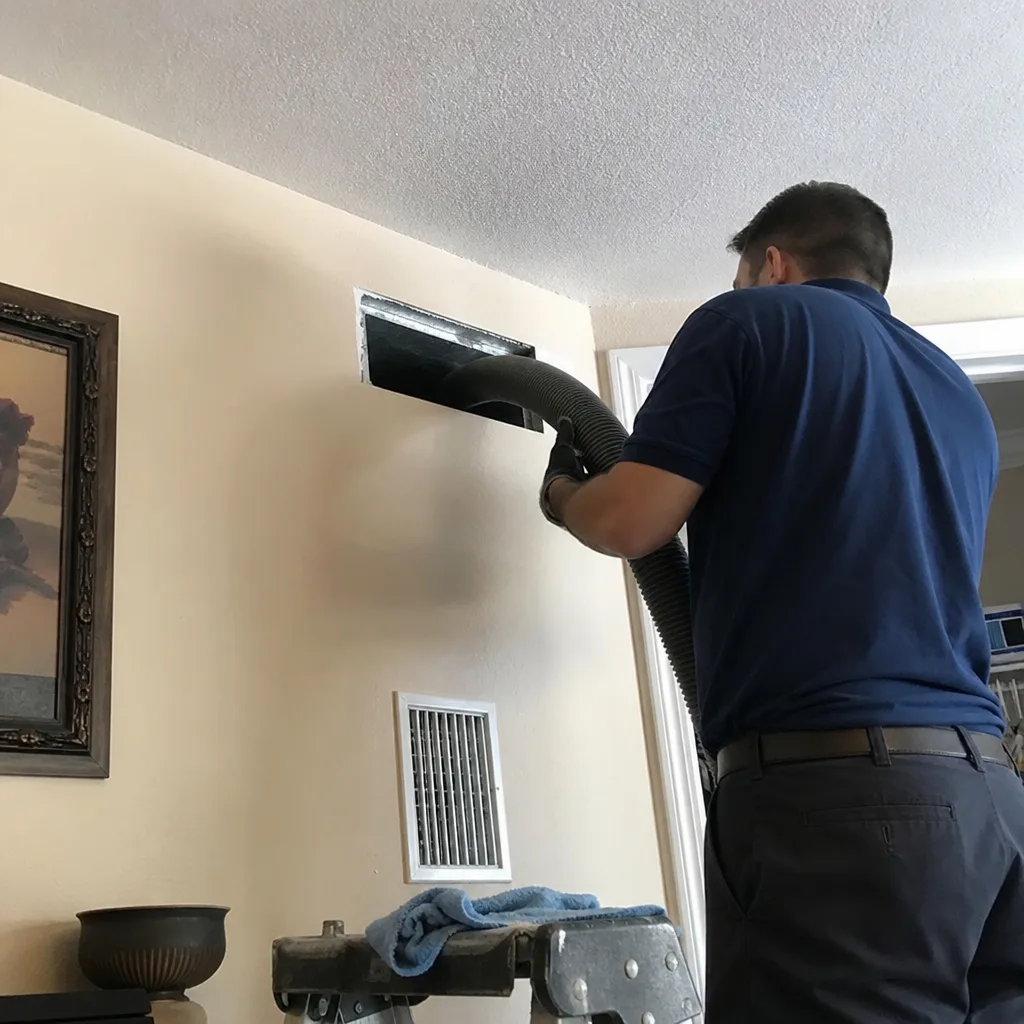
A consumer shop vac, even a powerful one, cannot replicate this. A shop vac generates suction at the hose end, not throughout the entire duct system. Connect it to a single register and it will pull from that opening. It will not create negative pressure in the full run ahead of the blower. The air volume and static pressure capability simply aren’t there. That’s not a criticism of shop vacs, it’s a difference in what the tools were built to do. A shop vac is designed for point extraction. A duct system requires whole-system extraction.
When DIY Is Never Appropriate in Long Beach
There are four specific conditions in Long Beach homes where a DIY approach to air duct cleaning is not just insufficient, it’s the wrong call entirely. If any of these apply to your home, skip the hardware store and pick up the phone.
1. Confirmed mold presence. If you see visible mold on registers, smell a persistent musty odor from the vents, or have had a moisture intrusion in the ducts, DIY cleaning will not resolve it. Mold that has colonized inside ductwork requires professional treatment with appropriate antimicrobial products and often the replacement of affected duct sections. Applying bleach or household cleaners inside ducts is ineffective and can worsen the problem by adding moisture to an enclosed space. This is a job for a crew with proper equipment and training.
2. Post-renovation debris. Long Beach homes built between the 1940s and 1980s frequently undergo kitchen remodels, bath renovations, and room additions. Construction generates fine dust that settles inside ducts: drywall compound, sawdust, sanding debris, tile dust. This material is abrasive and can embed itself in the duct lining. A shop vac at the register will not reach the volume of debris that settles in the trunk lines during a renovation. Professional cleaning with negative-air equipment is the only way to extract it.
3. Rodent activity. Rats and mice are a fact of life in many Long Beach neighborhoods, especially in older homes and properties near alleys or waterways. Rodents nest in ductwork, leave droppings inside the system, and create contamination that poses a genuine health risk. DIY cleaning cannot address this. If you’ve heard scratching in the ductwork, found droppings near registers, or noticed a smell that doesn’t respond to cleaning, call a professional. Rodent contamination requires source removal, system sanitization, and often duct repair where entry points have been gnawed.
4. Systems that haven’t been cleaned in over a decade. The National Air Duct Cleaners Association (NADCA) recommends cleaning every 3 to 5 years under normal conditions. If your system has gone 10, 15, or 20 years without professional attention, the accumulated material is likely compacted onto the duct surfaces and will not respond to consumer-grade agitation. Attempting DIY at this stage often makes things worse by dislodging material that then circulates through the home.
How to Evaluate Whether a Professional Quote Is for Source Removal or Surface Treatment
Here’s a truth most guides won’t tell you: a bad professional cleaning can be no better than a careful DIY attempt. The industry has no shortage of operators who run a brush through the visible registers, spray a deodorizer, and call it a day. That’s surface treatment dressed up as professional service, and it’s why some homeowners come away skeptical that duct cleaning does anything at all.
The way to protect yourself is to ask direct questions before you hire. A legitimate professional operator in Long Beach will answer these without hesitation:
- What equipment do you use for extraction? The answer should be a negative-air machine or truck-mounted vacuum rated for duct cleaning. Nikro and Abatement Technologies are two common professional-grade brands. If the answer is “a vacuum” without specificity, keep looking.
- Do you agitate the interior surfaces as well as extract? Extraction alone doesn’t remove debris that has adhered to duct walls. The process should include mechanical agitation, typically a rotary brush system like Rotobrush, running in conjunction with the negative-air extraction.
- Do you access the system at the plenum or air handler? Proper source removal involves creating an access point near the air handler so the entire system can be pulled under negative pressure. A crew that only works from the registers is doing surface treatment.
- Will I see the debris you remove? Professional negative-air machines collect debris in a visible collection chamber or bag. A crew that cannot show you what was extracted hasn’t actually removed anything.
- What’s included in the written price? The quote should specify the number of supply runs, the return side, the plenum, and the blower cabinet if applicable. It should also state whether sanitization or duct sealing services in Long Beach are included or separate line items.
Hollis Air Duct Long Beach operates by The Garrison Standard, which requires that every job be priced in writing before work begins and completed by the book. That means negative-air extraction at the plenum, mechanical agitation with professional-grade equipment, and a written guarantee covering the work for a full year. We don’t do register-only cleanings and call them complete. If the system isn’t under negative pressure during agitation, the debris isn’t leaving the house.
The Cost-Benefit Frame: What DIY Saves and What It Leaves Unresolved
Let’s talk dollars, because that’s ultimately what frames most Long Beach homeowners’ decisions. A professional air duct cleaning for a standard single-family home in Long Beach with a typical system (10 to 15 supply runs, return side, and plenum) generally runs between $400 and $900 depending on system size, access difficulty, and condition. Homes with multiple systems, extensive contamination, or difficult access can run higher.
A DIY attempt costs:
- Wet/dry vacuum: $60 to $150 (if you don’t already own one)
- Duct brush kit: $25 to $60
- Replacement filters: $15 to $50
- Your time: 2 to 4 hours for a thorough register and first-run cleaning
Total DIY outlay: $100 to $260 in materials. So the immediate savings look real. But here’s the honest accounting.
The DIY approach addresses roughly 5 to 10 percent of the system’s internal surface area: the register openings and first accessible feet. It does not address the trunk lines, the branch runs beyond the first bend, the return plenum, or the blower cabinet. The material in those areas continues to circulate through the home, continues to load the filter, and continues to settle back into the spaces you just cleaned. That’s not a one-time loss. It’s an ongoing recirculation pattern that your DIY effort temporarily interrupted at the room-facing endpoints.
The better frame is not DIY versus professional. It’s DIY plus professional, on a schedule. Do the register cleaning and filter changes yourself every 30 to 90 days. That maintains what the professional cleaning accomplished. Then budget for professional source removal every 3 to 5 years, depending on your home’s conditions. That’s the maintenance plan that actually holds up over time.
Consider it like this: you can wash your car in the driveway every weekend, and you should. But you still take it in for a detail when the interior needs extraction and the engine bay needs degreasing. The driveway wash doesn’t fail; it just covers different ground. Your ducts work the same way.
Long Beach-Specific Factors That Change the Equation
Long Beach is not a generic coastal city, and the conditions here affect your duct system differently than they would in, say, inland Riverside or up in the high desert. Three local factors matter when you’re weighing DIY against professional cleaning.
Marine layer humidity. Long Beach sits in a coastal climate zone with persistent morning marine layer influence, particularly in neighborhoods like Belmont Shore, Naples, Alamitos Heights, and the Peninsula. That humidity means settled dust inside ducts tends to adhere rather than stay loose. It compacts into a film that clings to duct surfaces. Brushing the first accessible feet doesn’t address this adhered material further down the run, which is precisely why mechanical agitation plus negative-air extraction is the only method that actually removes coastal-compacted debris.
Older housing stock with aging systems. A large portion of Long Beach’s single-family homes were built between the 1920s and 1960s. Many have had HVAC systems retrofitted into homes not originally designed for central air, which means duct runs that are longer, more convoluted, and harder to access than in newer construction. The older the home, the less likely a DIY register-level approach is going to reach meaningful portions of the system. Long Beach also has its share of beach-close properties where salt air accelerates corrosion on duct components, making professional inspection and dryer vent cleaning in Long Beach a recurring necessity rather than a luxury.
Renovation density. Long Beach is a city of ongoing renovation. Craftsman bungalows in Rose Park and Belmont Heights get remodels. Mid-century homes in Los Altos and Plaza get additions. Every renovation introduces fine particulate into the duct system, and that particulate is not uniformly distributed. It concentrates in the return side and the trunk lines where air velocity drops. If you’ve had any construction work done in the past 12 months, DIY register cleaning won’t touch the volume of debris that’s actually in your system.
Common Mistakes to Avoid
- Treating register cleaning as system cleaning. Cleaning the visible surfaces of registers and grilles makes the room look better but removes almost nothing from the system itself. It’s maintenance, not cleaning, and confusing the two leads homeowners to think their ducts are clean when they aren’t.
- Running a brush through ducts without extraction running. Agitating interior surfaces without simultaneous negative pressure at the plenum pushes debris deeper into the system instead of removing it. In Long Beach homes with long retrofitted runs, this can make the problem worse by relocating material into even harder-to-reach areas.
- Using household cleaners inside ducts. Spraying bleach, disinfectants, or scented cleaners into ductwork adds moisture to an enclosed space and does not remove the underlying contaminant. In coastal Long Beach humidity, that added moisture can create conditions for mold growth.
- Skipping the return side. Homeowners focus on supply registers because those are what they see in each room. But the return side pulls air back to the blower and typically accumulates more debris per square foot. Any DIY attention should start there, and any professional quote should explicitly include it.
- Hiring on price alone for a professional job. A $99 whole-house cleaning from a fly-by-night operator in Long Beach is almost certainly surface treatment: register vacuuming and a deodorizer spray. You get what the price covers, and that price does not cover source removal at the plenum.
- Replacing the filter and calling it done. The filter catches particles going through the blower, but it doesn’t remove what has already settled in the ductwork. A clean filter on a dirty system just means the fan moves air more efficiently through dirty passages.
- Waiting for visible problems before acting. By the time you see dust accumulating on registers within days of cleaning them, the interior system has been carrying a heavy load for months. Duct cleaning works best as scheduled maintenance, not emergency response.
When to Call a Professional
Call a professional when you can answer yes to any of these: your home has gone through a renovation in the past year and you haven’t had the ducts cleaned since; you’ve lived in the home longer than five years without a professional cleaning; you’ve had a rodent issue anywhere near the HVAC system; you smell a persistent odor from the vents that doesn’t resolve with filter changes; or someone in the home has respiratory conditions that make indoor air quality a higher priority. These are situations where the physics of source removal actually matter, because the material in your ducts is either too concentrated or too problematic to ignore. Hollis Air Duct Long Beach offers free estimates in Long Beach. Call (562) 548-7365 and you’ll get a written price before any work begins.
Frequently Asked Questions
Our Air Duct Cleaning services for a typical single-family home in Long Beach range from $400 to $900, depending on system size, access difficulty, and contamination level. A straightforward system with 10 to 15 supply runs, a single return, and normal residential accumulation will land in the middle of that range. Homes with multiple HVAC systems, long retrofitted duct runs, or post-renovation debris will run higher. Any quote significantly below $300 should be examined carefully for what it actually includes, because source removal with negative-air equipment costs real money to perform. Call (562) 548-7365 for an exact written quote on your specific system. Estimates are free.
You can clean the visible register openings and the first accessible foot or two of each duct run with a shop vac and brush attachment, but you cannot clean the full system. A shop vac creates suction at the hose end only. It does not create the negative pressure throughout the entire duct network that professional equipment generates at the plenum. What you’ll accomplish with a shop vac is meaningful maintenance of the room-facing surfaces. What you’ll leave untouched is the bulk of settled material in the trunk lines, branch runs, and return plenum.
The National Air Duct Cleaners Association recommends cleaning every 3 to 5 years under normal conditions. Long Beach homes with coastal humidity, older construction, or occupants with respiratory concerns may benefit from shorter intervals. Between professional cleanings, you should replace or clean your filter every 30 to 90 days and vacuum registers and grilles when you see accumulation. Call (562) 548-7365 if you’re unsure whether your system is due. Hollis Air Duct Long Beach will give you an honest assessment without an upsell.
A legitimate professional job includes negative-air extraction at the plenum, mechanical agitation of interior duct surfaces with a rotary brush system, and visible proof of what was removed. The collection chamber or debris bag on the extraction unit should show the material that came out of your system. You should also receive a written guarantee covering the work. Hollis Air Duct Long Beach backs every job with the 365-Day Done Right Promise: if it’s not done right, we come back and make it right at no charge. That’s in writing, on every job.
Because they’re selling different services. A low-price quote typically covers register vacuuming and surface cleaning, not source removal with professional negative-air equipment. The equipment, labor, and time required to pull a whole system under negative pressure and mechanically agitate every run costs more than a register-level job. When a Long Beach homeowner gets four quotes and one is $200 while the others are $500 to $800, the cheap quote isn’t a bargain. It’s a different scope of work. The best protection is to ask directly what method they use and whether they will show you the debris they remove.
It can, particularly if the system has accumulated pollen, dust, and particulate from Long Beach’s coastal environment and you’ve noticed symptoms that worsen when the HVAC runs. Professional source removal reduces the reservoir of allergens inside the ductwork that continues to circulate through the home. But it works best as part of a broader approach: quality filtration, regular filter changes, and good ventilation. If allergy relief is your goal, ask about filtration as part of your quote. Call (562) 548-7365 to discuss your specific situation.
The Bottom Line
DIY air duct cleaning has a real but narrow role in Long Beach homes. It maintains visible surfaces and keeps the first reachable feet of each run from looking neglected, but it does not clean the system. The settled material that matters accumulates beyond the first bend, in the trunk lines and return plenum, where only negative-air extraction at the air handler can remove it. If your home has gone years without professional attention, or if you’ve renovated, dealt with rodents, or noticed persistent odors, DIY isn’t the answer. A professional crew with written pricing and a written guarantee is. For related advice, see more guides & resources. That’s the standard we hold at Hollis Air Duct Long Beach, and we’ll put it in writing before we touch your system.
Written by Roy Castellanos, Owner at Hollis Air Duct Long Beach, serving Long Beach since 2004.
See the difference
 Before
 After
After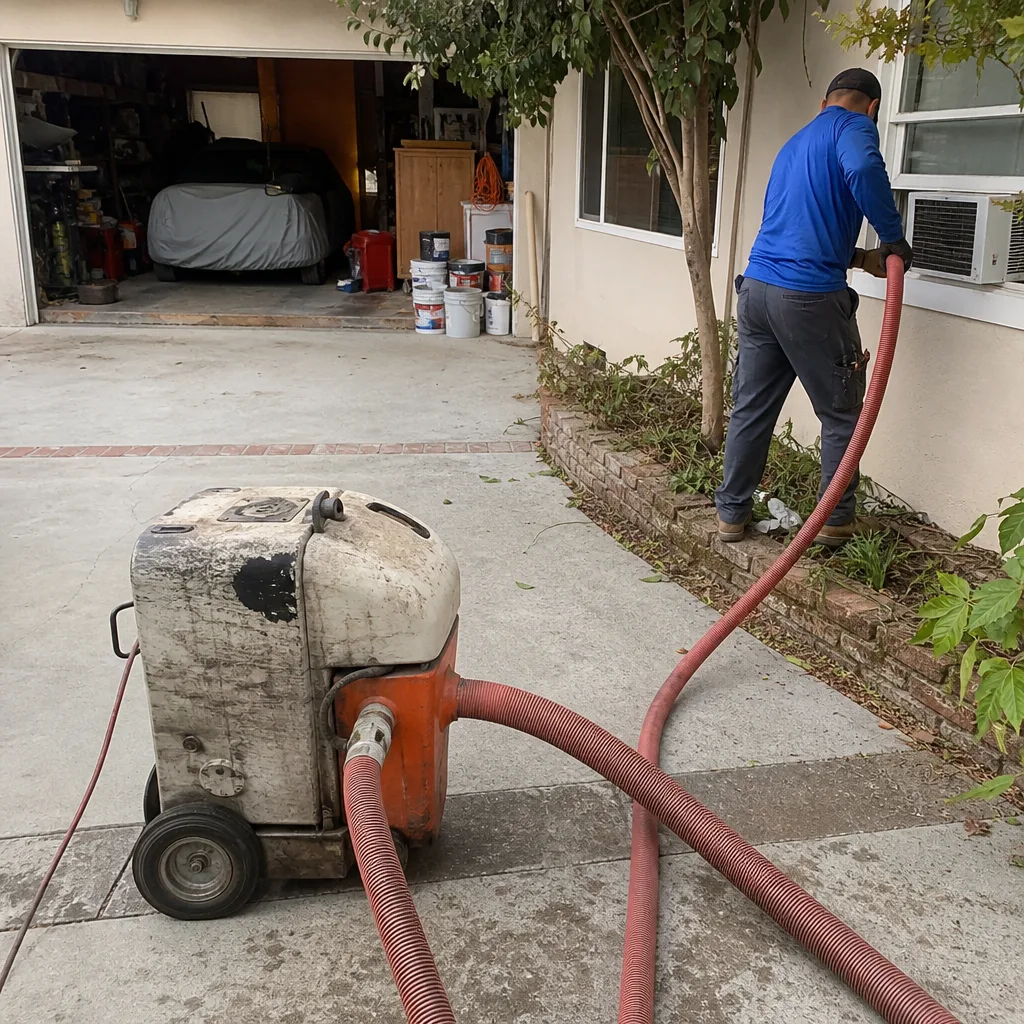 Before
 After
After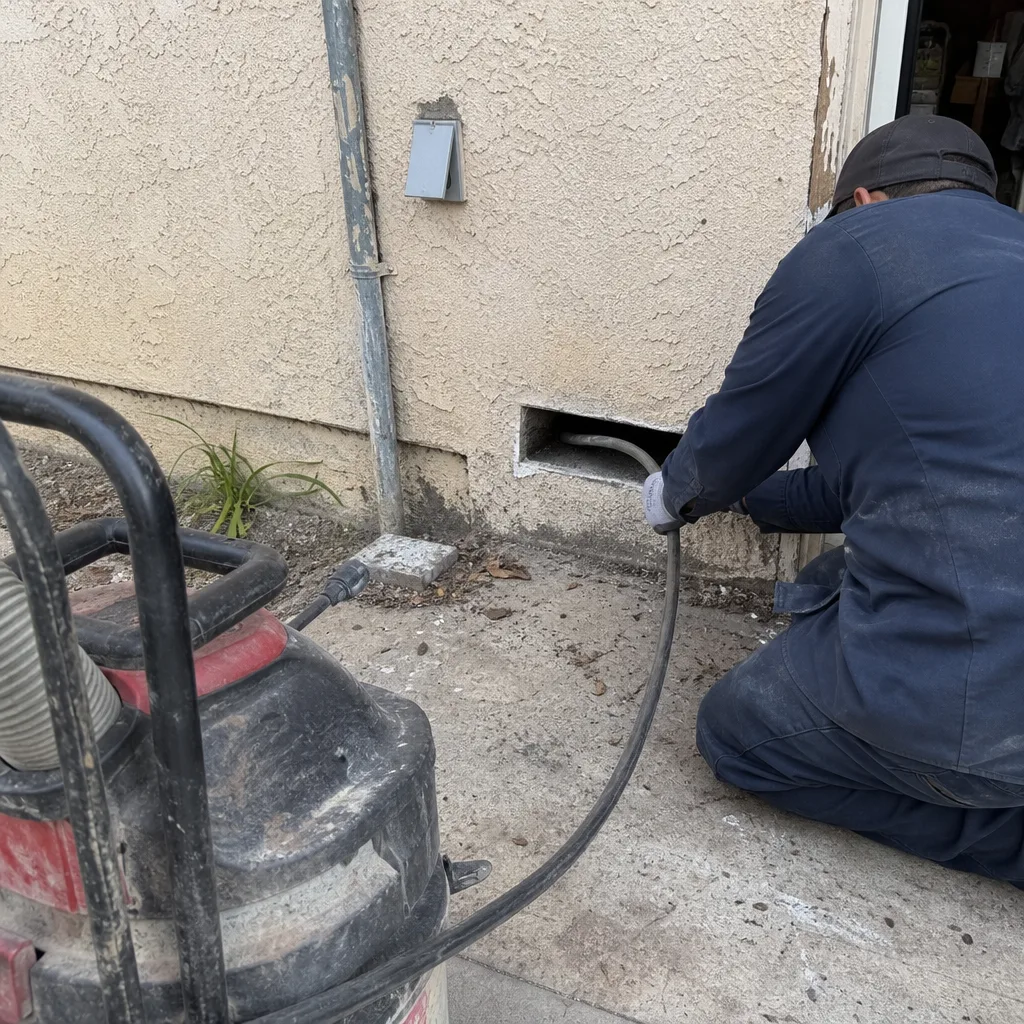 Before
 After
After