
Last updated October 15, 2026
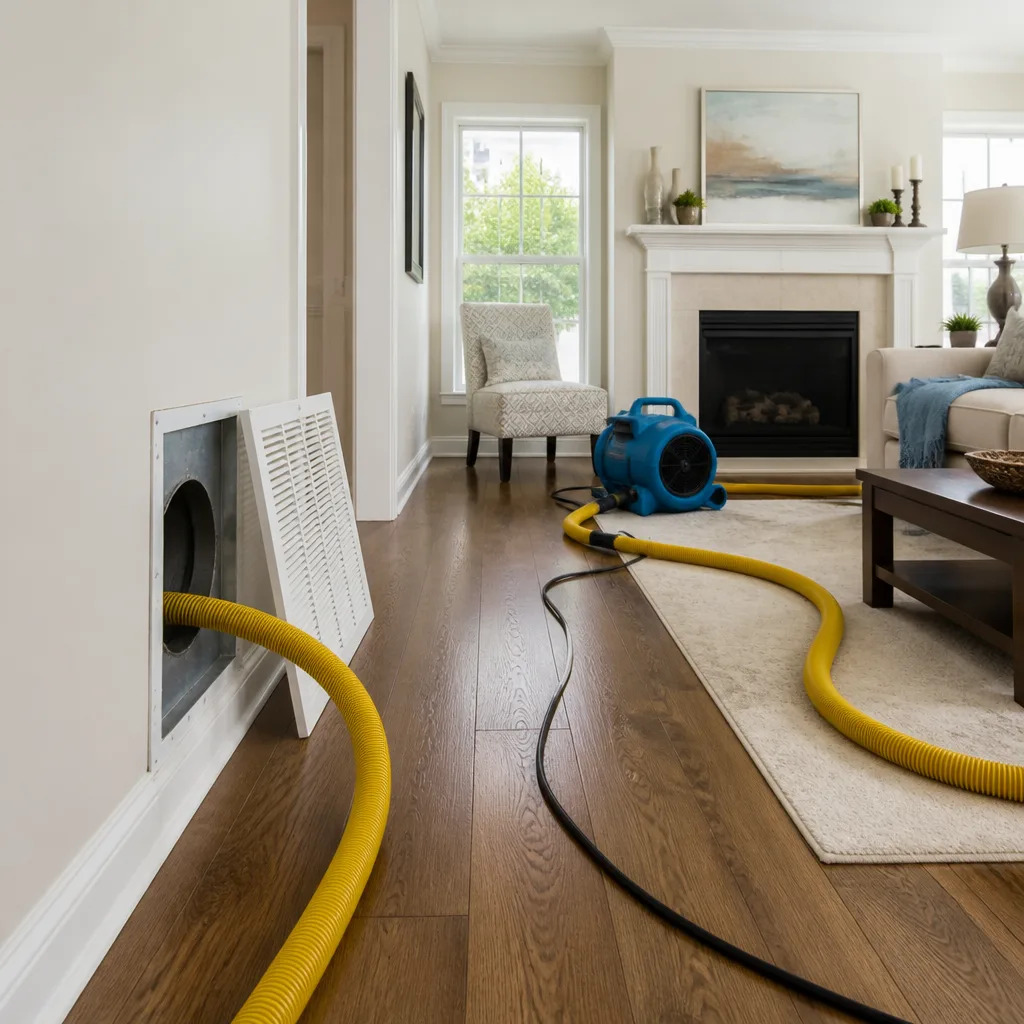 Whole-home duct cleaning
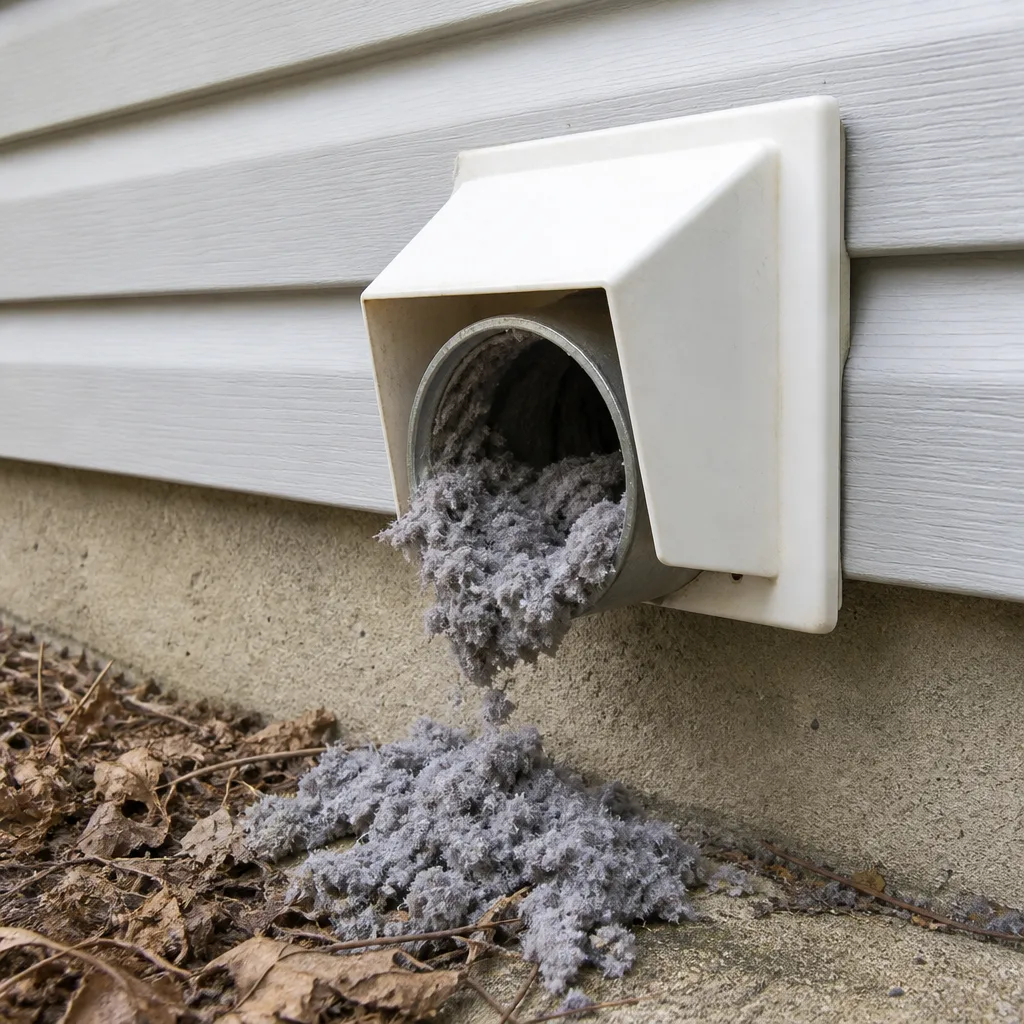 Dryer vent cleaning
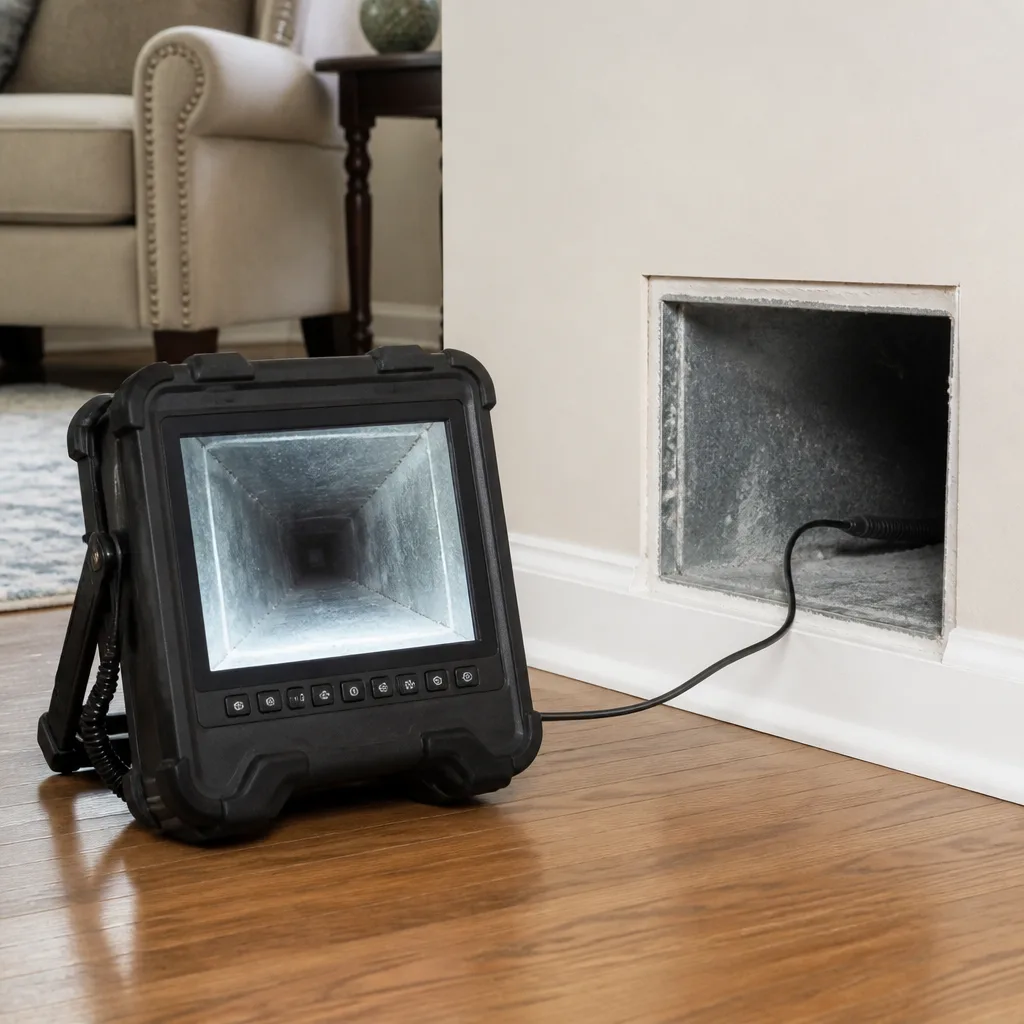 Camera inspection
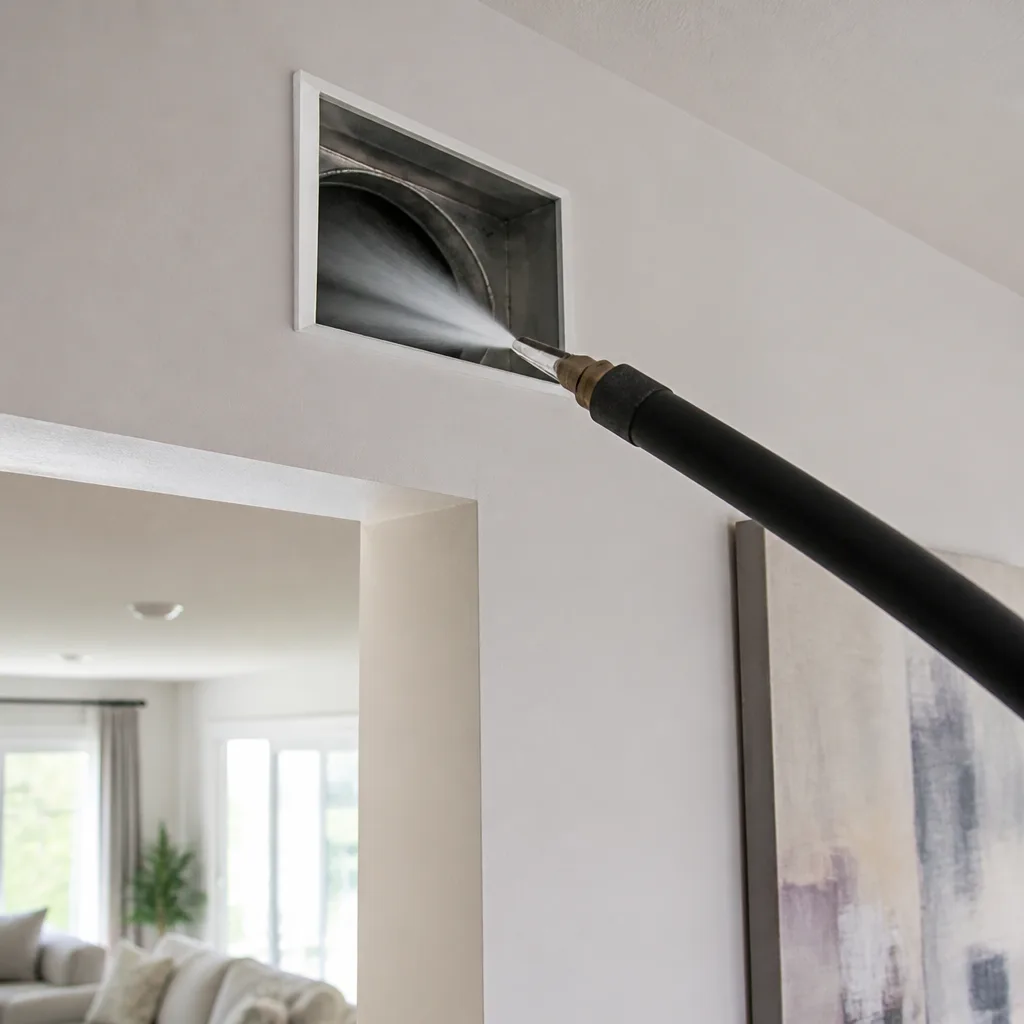 Sanitizing & deodorizing
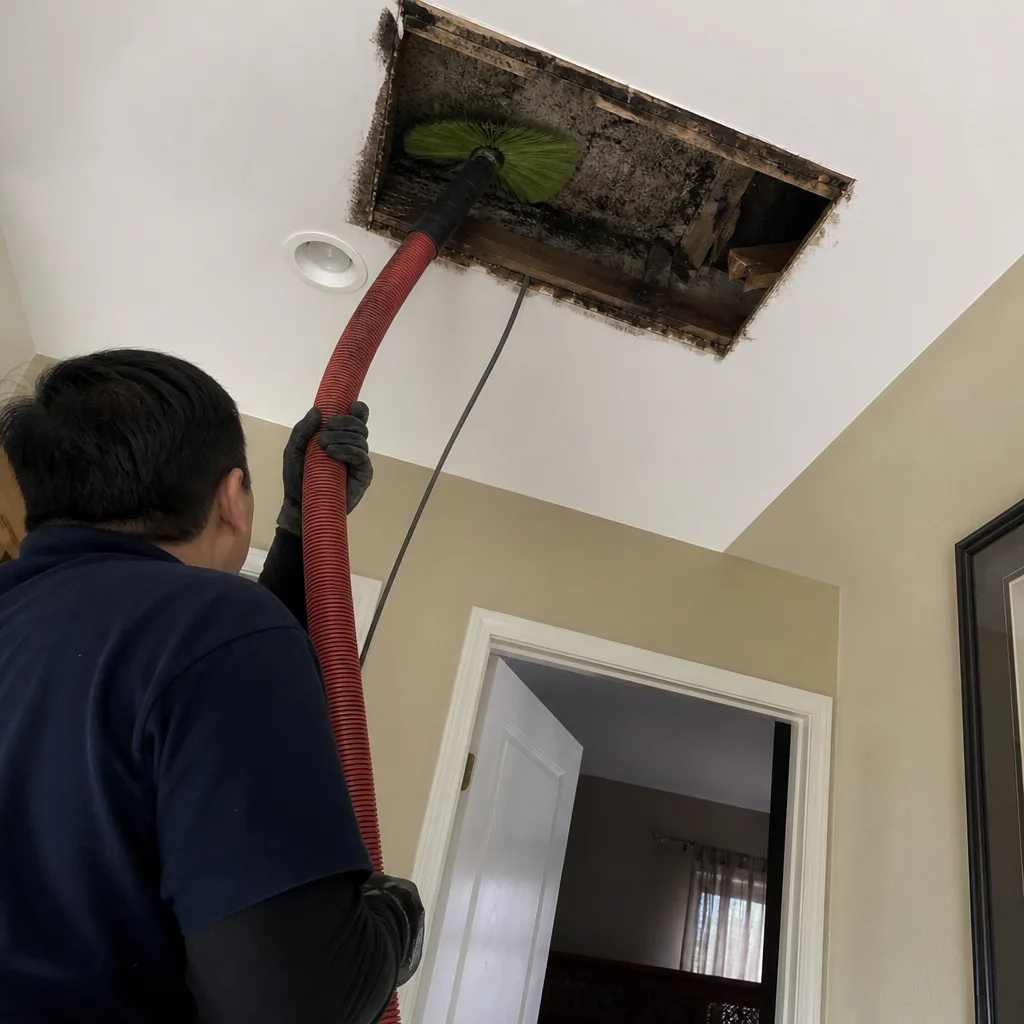
Whole-system duct and dryer vent check with before-and-after photos - you see exactly what came out of your vents
That "$99 whole-house special" is a bait ad - the real number appears once they are in your hallway, or the "clean" is a shop-vac at the register. We photograph the inside of your ducts before and after instead.
Seasonal Air Duct Cleaning Care for Long Beach: Year-Round Homeowner’s Guide
Santa Ana wind events push fine particulate through every gap in a duct system that wasn’t properly sealed, and Long Beach averages several of those events between September and December. By January, what entered during those weeks is what your family breathes. Most seasonal maintenance calendars are written for places with four distinct seasons and a furnace that runs half the year. Long Beach doesn’t work that way. This guide maps duct care to the four actual environmental cycles this city experiences: marine layer season, Santa Ana season, the brief heating window, and summer cooling load. You’ll learn what each cycle does to your duct system, when to act, and what you can safely check yourself versus what belongs to a trained crew.
Styles & brands we work with
Quick Answer
Long Beach homeowners should schedule duct inspection and cleaning around three anchor points each year: once in late spring before the marine layer locks in (April to May), once in mid-to-late fall after Santa Ana season begins (October to November), and a lighter check in January after holiday traffic and the first sustained heating use. The marine layer’s damp air compacts dust differently than the dry particulate Santa Anas push in, which means a single annual cleaning misses what the other season deposits. At minimum, schedule professional air duct cleaning in Long Beach twice yearly if you live within three miles of the port or in a home built before 1980 with original ducting.
Table of Contents
- What the Marine Layer Season Does to Long Beach Ducts (May Through August)
- Why Santa Ana Season Is the Highest-Risk Period for Particulate Infiltration
- How to Prep Ducts Before Summer Cooling Season Starts
- What Spring Cleaning Means for a Long Beach Duct System
- How to Calibrate Cleaning Frequency to Actual Long Beach Environmental Load
- The Role of Duct Sealing in Seasonal Dust Control
- Why Dryer Vent Cleaning Belongs on Your Seasonal Checklist
- Common Mistakes to Avoid
- When to Call a Professional
- Frequently Asked Questions
What the Marine Layer Season Does to Long Beach Ducts (May Through August)
From roughly May through August, Long Beach sits under a marine layer that rolls in most mornings and burns off by early afternoon. That blanket of coastal fog does something specific to the air inside your ducts: it raises the moisture content of the dust already sitting in them.
Dry dust behaves like loose powder. It moves when air pushes it. Damp dust behaves differently. It compacts, clings to duct walls, and hardens as the system cycles between cool night air and warm afternoon air. Over the course of one marine layer season, a thin film of airborne dust can become a caked layer that reduces airflow. In our experience across Long Beach, homes in Belmont Shore, Naples, and the Peninsula see this compaction more than homes further inland like Bixby Knolls or Lakewood Village, simply because the fog sits on the coast longer each morning.
What this means practically: if your ducts were last cleaned in winter and you skip spring, you’re heading into the hottest months with a system already working against resistance. Airflow restriction makes your AC run longer cycles to hit the same thermostat setting, and that’s before we factor in allergens. The marine layer also keeps windows closed in many homes, which means whatever is in the ducts recirculates more than it would in a house with cross-ventilation.
What to do during marine layer season:
- Check your return air grilles monthly. If you see a gray film forming around the edges, that’s damp dust being pulled toward the filter. It’s a signal the ducts are carrying more than they should.
- Replace HVAC filters every 30 to 45 days during this period, not the 90 days many filter packaging suggests. The damp air shortens filter life.
- If you run a whole-house fan in the evening, keep it off during heavy fog hours. You’re pulling marine-layer air, and the particulate it carries, directly into the duct system.
- Schedule a duct inspection in May. A visual check through the registers with a camera tells you whether last year’s cleaning held or whether the damp season has already begun compacting new dust.
Why Santa Ana Season Is the Highest-Risk Period for Particulate Infiltration
Between September and December, Long Beach gets hit with Santa Ana wind events: hot, dry air moving offshore at speeds that routinely hit 40 to 60 miles per hour in the passes, with gusts higher in exposed areas. These winds carry dust from the inland deserts, ash from any active wildfire season, and whatever dry particulate is loose in the LA Basin. They also create pressure differences around your home that pull outdoor air through any small gap in the building envelope.
Here’s the part most guides miss: your duct system is inside that envelope, but it doesn’t operate in a sealed vacuum. Ducts run through attics, crawl spaces, and wall cavities. When Santa Ana winds push against your house and the air pressure inside changes, outside air gets drawn through gaps in duct joints, return plenums, and around register boots. If those joints aren’t sealed, the fine dust riding those winds enters the duct stream directly. Even a duct system that looked clean in August can be carrying a measurable load of new particulate by mid-November.
Roy Castellanos has walked enough Long Beach attics to see the pattern repeat every fall: a thin layer of reddish-brown dust on top of the insulation around duct runs after a Santa Ana event. That dust is what works its way into the system. Homes in Signal Hill, with its exposed slopes, and in eastern Long Beach near El Dorado Park tend to see more wind-driven infiltration than sheltered neighborhoods, but no home is immune.
What to do during Santa Ana season:
- After any multi-day Santa Ana event, change your HVAC filter. It’s not a waste of a filter. It’s removing a known particulate load before it recirculates.
- Check visible duct runs in the attic or garage for new dust accumulation at joints. If you see dust streaks radiating from a seam, that seam is pulling air and needs sealing.
- Keep windows and doors closed during red flag wind events, and close fireplace dampers if you have one. An open damper is a direct path for wind-driven dust into the return air stream.
- Schedule a professional duct inspection and cleaning in late October or November, after at least one Santa Ana event has occurred. The goal is to remove what the wind season already pushed in, not to clean before it arrives and then coast through the worst of it.
This is also the season where duct sealing in Long Beach earns its cost. Sealing the joints and connections in your duct system stops wind-driven particulate from entering in the first place. It’s an upfront investment that reduces the amount of cleaning your system needs every fall, and it pays off in heating efficiency too, since the same gaps that let dust in let conditioned air out.
How to Prep Ducts Before Summer Cooling Season Starts
Long Beach cooling season runs roughly June through October, with peak demand in July, August, and September. The work you do on your ducts in April and May directly affects how hard the system strains during those months. A restricted duct system forces the blower motor to work against higher static pressure. That means longer run times, higher energy bills, and more wear on the equipment. And in Long Beach’s older housing stock, where many homes still run original 1960s and 1970s duct design, the margin for error is already thin.
Step-by-step prep before cooling season:
- Inspect every visible register and return grille. Remove the cover, look inside with a flashlight. You’re checking for dust accumulation, visible debris, or signs of moisture staining.
- Have the duct system professionally inspected. A camera inspection identifies internal buildup, disconnected joints, crushed flex runs, and the kind of debris that restricts airflow. This is not something you can fully see from the register.
- Address airflow issues before peak demand. If some rooms run hot every summer while others freeze, that’s a duct balancing problem. Get it addressed in May, not August, when every HVAC crew in Long Beach is slammed.
- Confirm the filter box is clean and the filter seats properly. A filter that doesn’t seal in its slot lets unfiltered air bypass into the equipment and the duct system.
- Have any duct sealing work completed before high heat arrives. Sealing mastic and tape bond better in moderate temperatures. Doing this work in April or May means it’s cured and stable before the system runs at continuous load.
One thing we tell every Long Beach homeowner: the cost of a pre-season duct inspection is always less than the cost of an emergency AC service call during a July heat wave. When your blower motor fails because it’s been pushing against a clogged duct system for two months, that’s not a filter problem. That’s a maintenance deferral problem.
What Spring Cleaning Means for a Long Beach Duct System
In most of the country, spring duct cleaning is about removing a winter’s worth of furnace dust and pet dander. Long Beach runs a slightly different playbook. Our heating season is short, often just December through February, and many homes run the heat only at night. But the end of that heating window is still the right moment to reset the duct system, because it’s the last clean stretch before the marine layer settles in and starts compacting whatever’s left inside.
Think of spring as the reset point. If you clean the ducts in March or April, you’re removing: whatever the brief heating season deposited, whatever Santa Ana wind events pushed through before the rains ended, and whatever accumulated during the winter months when windows were closed and indoor dust recirculated continuously. Clean ducts in April mean the marine layer has nothing to compact in May and June.
A Long Beach spring duct checklist:
- Have the ducts cleaned if it’s been more than 24 months since the last professional cleaning, or if you can see visible dust on the register covers.
- Inspect the condensate drain line on the AC coil. Long Beach’s damp spring air creates more condensate than you’d expect, and a clogged drain backs water into the system, which becomes a mold vector in the ducts.
- Check the crawl space or basement if your home has one. Spring is when moisture levels rise, and duct runs through damp crawl spaces pull that air through the system. Encapsulation or at minimum a vapor barrier check belongs on the list.
- Replace the filter with a fresh one before the marine layer season begins. Start the damp season with zero restriction.
Spring is also the time to think about equipment. If your air handler is in the garage, and you’ve been using the garage for projects over the winter, dust from woodworking or home projects gets pulled into the return. A spring duct cleaning handles that too. Our Hollis Air Duct Long Beach home page covers the full scope of what a professional cleaning includes, and it is worth reading before you book anything anywhere.
How to Calibrate Cleaning Frequency to Actual Long Beach Environmental Load
The generic industry advice is every 3 to 5 years. We’re going to tell you something different: Long Beach environmental load doesn’t care about that range. Some homes genuinely need cleaning every 12 to 18 months. Others can go 36 months. Here’s how to figure out where your home falls.
Factors that push you toward more frequent cleaning:
- Proximity to the Port of Long Beach and the 710 corridor. Diesel particulate and port-related dust are finer and more persistent than household dust. Homes in West Long Beach, Wilmington-adjacent neighborhoods, and along the 710 see measurably higher particulate loads. Annual or semiannual cleaning is justified here.
- Home age and duct condition. Pre-1980 homes typically have sheet metal ducts with decades of crud baked into the interior surface. These systems need more frequent attention until they’re cleaned thoroughly and sealed.
- Pets that shed heavily. Pet dander is a protein, not just a nuisance. It clings to duct walls and doesn’t settle out on its own.
- Renovation history. If the previous owner did drywall work, flooring work, or any construction that generated dust without sealing off the registers, that dust is in the system. One deep cleaning handles the backlog, but the system may need more frequent follow-up until it’s clear.
- Smoking indoors, heavy candle use, or frequent fireplace use. These all introduce combustion byproducts and soot that coat duct interiors far faster than ambient dust.
Factors that might stretch your interval:
- Newer construction (post-2005) with sealed, well-designed duct systems.
- Homes more than 3 miles from major freeways and the port, in neighborhoods like Los Altos, Park Estates, or the eastern edges of Long Beach.
- Homes with effective annual filter replacement and reasonably low indoor dust generation.
- Homes that have had professional duct sealing, which reduces particulate infiltration at the joints.
The honest answer is that a visual inspection tells you more than any calendar. A camera run through the ducts shows exactly how much has accumulated and where. From there, you make a decision based on evidence, not on a generic schedule. If you’re not sure where your home falls, a free estimate from a Long Beach duct cleaning company that actually puts eyes on the system is the fastest way to know.
The Role of Duct Sealing in Seasonal Dust Control
Cleaning removes what’s already in the ducts. Sealing stops new particulate from entering. In a city with Long Beach’s specific seasonal cycles, both matter. A cleaned but unsealed duct system in Long Beach will re-accumulate dust faster than a sealed system, because the pressure cycling from marine layer mornings to hot afternoons pulls air through every gap in the duct runs.
What duct sealing actually involves:
- Mastic and mesh tape applied to metal duct joints. Mastic is a thick, paste-like sealant that hardens and stays flexible. It does what duct tape cannot do, which is create a permanent air seal at the seam. This is the standard for professional duct sealing in Long Beach.
- Aeroseal-type pressurized sealing for inaccessible runs. This process injects a sealant aerosol into the duct system under pressure, and the sealant accumulates at leak points. It’s useful for duct runs buried in walls or slabs where manual sealing isn’t possible. Hollis Air Duct Long Beach uses professional-grade equipment from Nikro and Rotobrush for cleaning, and when sealing is needed, the work is done with the same level of care.
- Sealing the return plenum and filter box. These are common leak points that pull attic or crawl space air into the system. Sealing them keeps unfiltered air out.
The seasonal angle: a sealed duct system means Santa Ana particulate doesn’t get pulled through gaps in September and October, and marine layer moisture doesn’t find its way into joints in June. Sealing is the single highest-impact thing you can do to reduce the rate of re-accumulation between cleanings. It’s not a replacement for cleaning. It’s what makes cleaning last.
Why Dryer Vent Cleaning Belongs on Your Seasonal Checklist
The dryer vent is part of your home’s exhaust system, and in Long Beach’s climate, it deserves the same seasonal attention as the HVAC ducts. Lint accumulation is the obvious issue, but Long Beach adds another factor: the damp marine layer air means lint inside exterior vent runs can absorb moisture and clump, creating blockages faster than in drier climates.
A blocked dryer vent does two things. First, it makes the dryer work harder, which means longer dry times and higher energy use. Second, and more seriously, it creates a fire hazard. Lint is highly combustible, and a restricted vent allows heat to build in the exhaust run. The US Fire Administration identifies failure to clean dryer vents as a leading cause of residential dryer fires. That’s not a scare statistic. It’s the reason this belongs on a schedule, not a to-do list you’ll get to eventually.
Seasonal dryer vent guidance for Long Beach:
- Clean the dryer vent at least once per year. Homes with large families, multiple pets, or heavy laundry loads may need it twice.
- Schedule it in late spring. Summer is when humidity is highest, and a lint-clogged vent in humid air dries slower and clumps faster.
- If the dryer has been taking longer than 45 minutes to dry a standard load, that’s a functional signal the vent is restricted. Don’t wait for the schedule.
- Exterior vent hoods should have a backdraft damper and a pest screen. Long Beach’s mild climate means birds and rodents look for nesting spots in warm vent openings year-round.
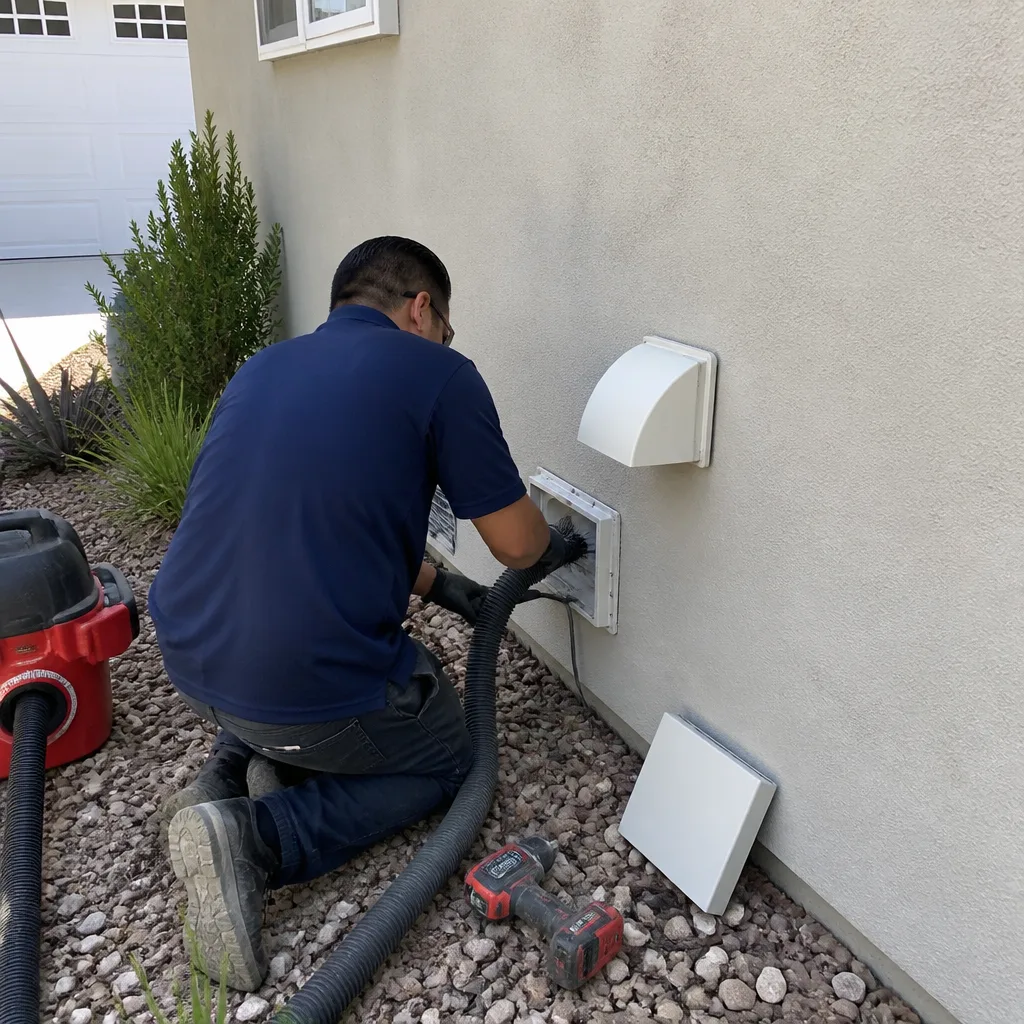
We handle dryer vent cleaning in Long Beach as a standalone service, and it’s often combined with a duct cleaning visit since the technician is already on site with the negative-air equipment. If you’re scheduling, ask about bundling both.
Common Mistakes to Avoid
- Waiting for visible dust to schedule a cleaning. By the time dust is visible at the register covers, the duct interior is carrying significantly more. The register is the exit point, not the accumulation point. Most of the load sits deeper in the runs.
- Replacing filters as the primary defense. A filter protects the equipment from debris. It does not clean the ducts. A filter captures what’s passing through the return at one point; it does nothing for dust already caked on the duct walls downstream.
- Trusting a low-price duct cleaning coupon without asking what’s included. The air duct cleaning industry has a well-earned reputation for bait pricing. A $49 whole-house cleaning is a loss leader designed to get a technician inside, where the real invoice appears. Ask for a written price based on the actual system before anyone starts work.
- Skipping the pre-summer inspection. In Long Beach, AC load is the single largest seasonal stress on the HVAC system. Going into July with a restricted duct system is how blower motors burn out during the worst possible week.
- Ignoring the crawl space. Duct runs through a damp or dusty crawl space pull that environment into the house. If you’ve never looked at the condition of the space under your floor, you don’t know what your ducts are moving.
- Cleaning the ducts without addressing the source of the dust. If a missing filter slot, disconnected return, or unsealed joints are pulling attic air into the system, cleaning alone is temporary relief. The system will load up again within months.
- Treating all Long Beach homes as equal. A Belmont Shore bungalow two blocks from the ocean has a different environmental load than a Bixby Knolls home three miles inland, and both differ from a Signal Hill property exposed to wind. Cleaning frequency should match the specific home, not a national average.
When to Call a Professional
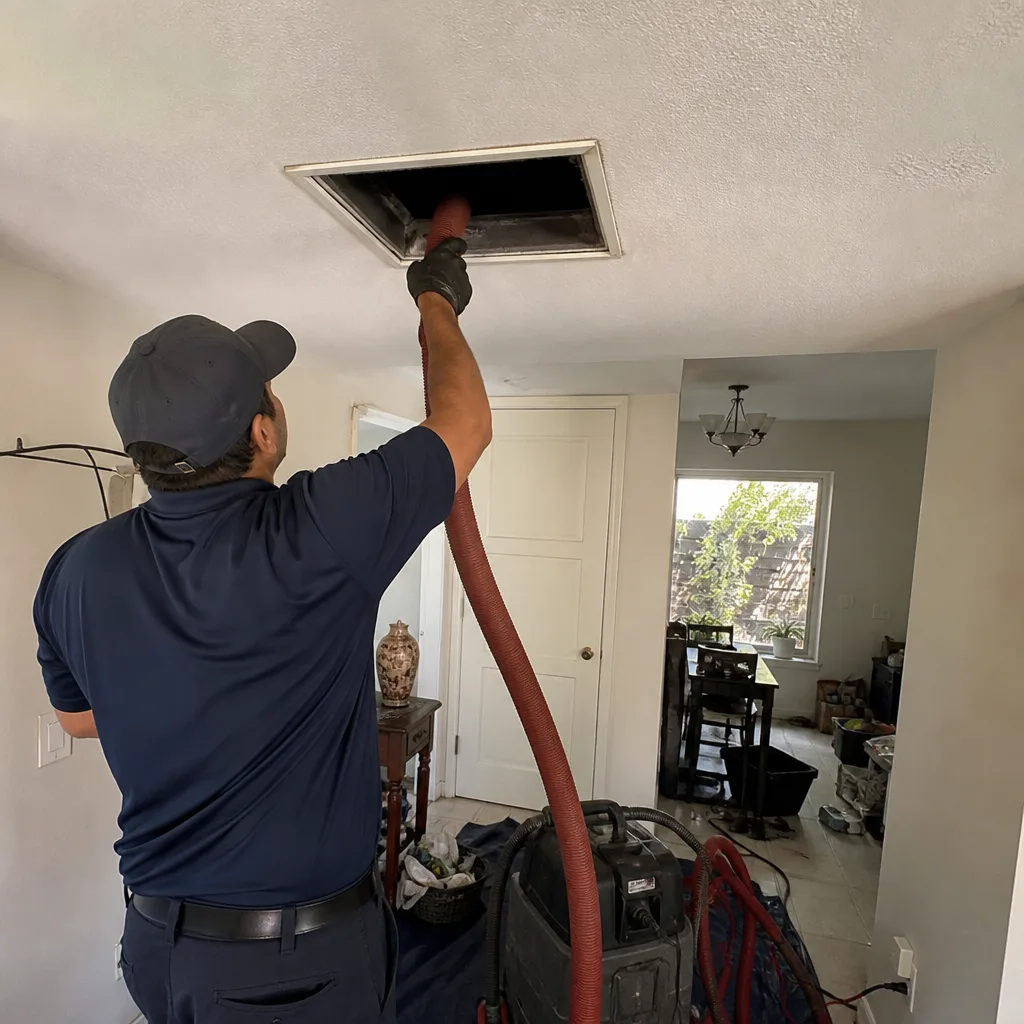
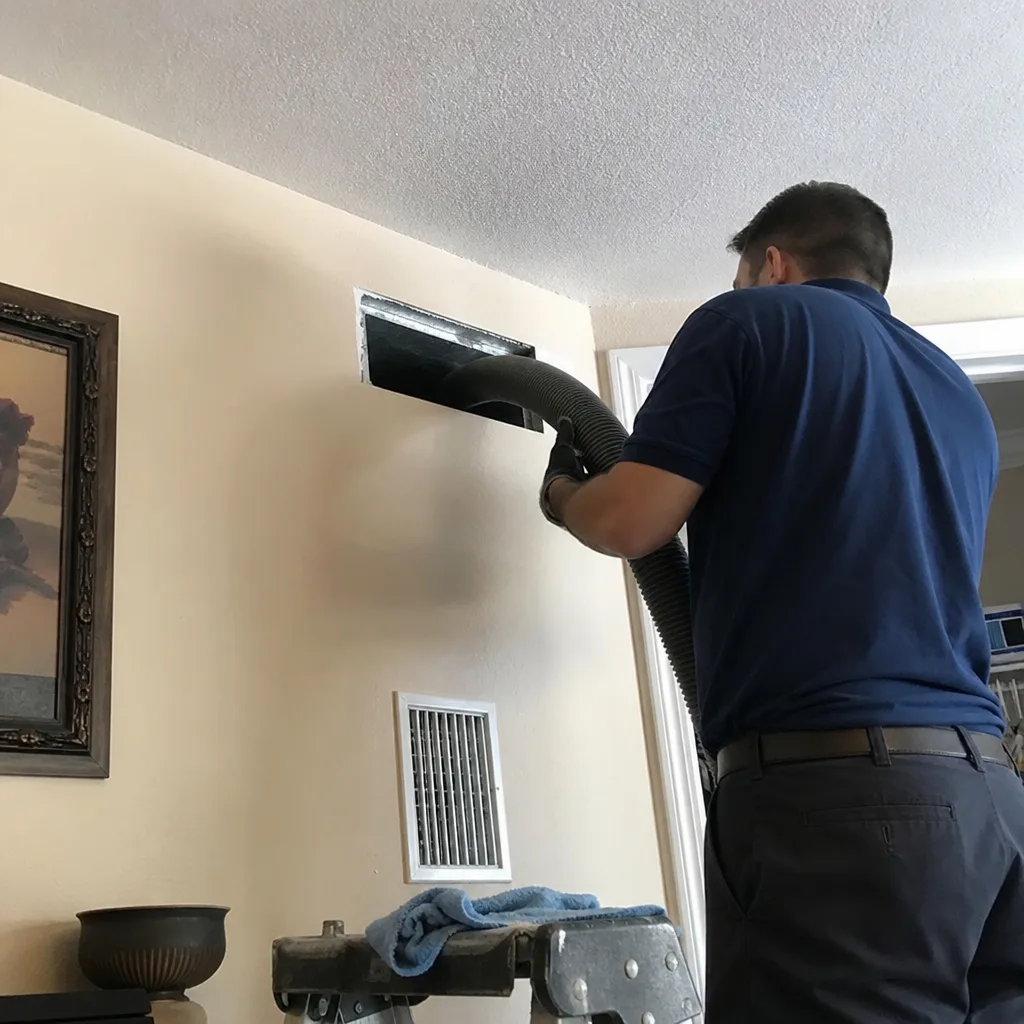
You can change a filter, check a register, and look for visible problems. You cannot clean the inside of a duct system with a shop vac and good intentions. The runs are long, dark, and inaccessible without the right equipment. A professional cleaning uses a negative-air machine, typically a Nikro or similar unit, to create vacuum pressure while rotary brush systems like Rotobrush agitate and remove the caked material from duct walls. That equipment is the difference between cleaning what you can reach and cleaning what’s actually there.
Call a professional when: visible dust returns within weeks of a filter change, the system has never been cleaned and the home is more than 10 years old, there’s evidence of rodent or pest activity in the ducts, persistent musty odor comes from the registers, or rooms upstairs run noticeably hotter than downstairs despite a functioning AC. Hollis Air Duct Long Beach offers free estimates in Long Beach, and every job carries a written price before work begins and the 365-Day Done Right Promise. Call (562) 548-7365 to schedule an inspection.
Frequently Asked Questions
Air Duct Cleaning Cost Breakdown: The Long Beach Homeowner’s Reference for 2026 shows that air duct cleaning in Long Beach typically runs between $350 and $700 for a standard single-family home with one HVAC system, depending on the home’s square footage, the number of supply and return vents, the system’s accessibility, and how heavily soiled the ducts are. Homes with multiple systems, extensive flex duct runs, or severe contamination can run higher. Any company quoting a flat $49 or $99 whole-house cleaning is using a teaser price. At Hollis Air Duct Long Beach, the price is written down before any work starts, based on the actual system, and it does not change at the door. Call (562) 548-7365 for a free estimate on your specific home.
Most Long Beach homes need professional duct cleaning every 18 to 36 months, but the range depends on where you live and how your home is built. Homes near the Port of Long Beach or the 710 corridor should plan on 12 to 24 months. Homes in newer construction with sealed ducts and low indoor dust may stretch to 36 months or longer. A camera inspection gives you a definitive answer for your specific system.
Cheap duct cleaning quotes usually mean the company plans to upsell you once the technician is inside, or the scope is so narrow it barely counts as cleaning. A low price that covers “up to 10 vents” becomes a much larger invoice when your home has 18, or the technician discovers “mold” that requires an urgent add-on service. Legitimate Long Beach duct cleaning companies price the whole system up front, in writing, for the work the system actually needs. That’s the standard Hollis Air Duct Long Beach operates under on every job.
A reputable duct cleaning company shows you. Before-and-after photos of the interior of the ducts, taken with the inspection camera, document exactly what was removed and what the runs look like after cleaning. If a company refuses to show you the inside of your own ducts, that’s a signal. Hollis Air Duct Long Beach provides before-and-after documentation on every cleaning, so you never have to take anyone’s word for what happened in the attic.
Yes. Long Beach’s May through August marine layer raises the moisture content of the air in your home, which changes how dust behaves inside the duct system. Damp dust compacts and adheres to duct walls instead of remaining loose, which means it restricts airflow more effectively than dry dust and is harder to remove once hardened. This is why a spring cleaning, before the marine layer fully settles in, makes more sense in Long Beach than following a generic national calendar.
The 365-Day Done Right Promise from Hollis Air Duct Long Beach covers the work performed for a full year from the service date. If any part of the cleaning, sealing, or dryer vent service fails within that year, we return and make it right at no charge, including a free second visit. The promise is written on every job, not described verbally. It’s part of The Garrison Standard that every independently owned Garrison Partners location operates under. For details on your specific job, call (562) 548-7365.
The Bottom Line
Long Beach doesn’t have four dramatic seasons, but it has four distinct environmental cycles: the damp marine layer, the dry and dirty Santa Anas, a short heating window, and a long cooling season. Each one deposits or compacts particulate in your ducts differently, and a maintenance schedule built for another climate will miss the timing that matters here. The practical approach is a spring cleaning before the fog locks in, a fall inspection and cleaning after the first Santa Ana event, and duct sealing to slow re-accumulation in between. If you want to know where your specific system stands, a camera inspection with a written estimate takes the guesswork out of it, and you can find more guides & resources on our blog. Hollis Air Duct Long Beach has served this city since 2004, with written pricing, background-checked uniformed technicians, and a 365-Day Done Right Promise that puts the commitment in writing. Call (562) 548-7365 to get started.
Written by Roy Castellanos, Owner at Hollis Air Duct Long Beach, serving Long Beach since 2004.
See the difference
 Before
 After
After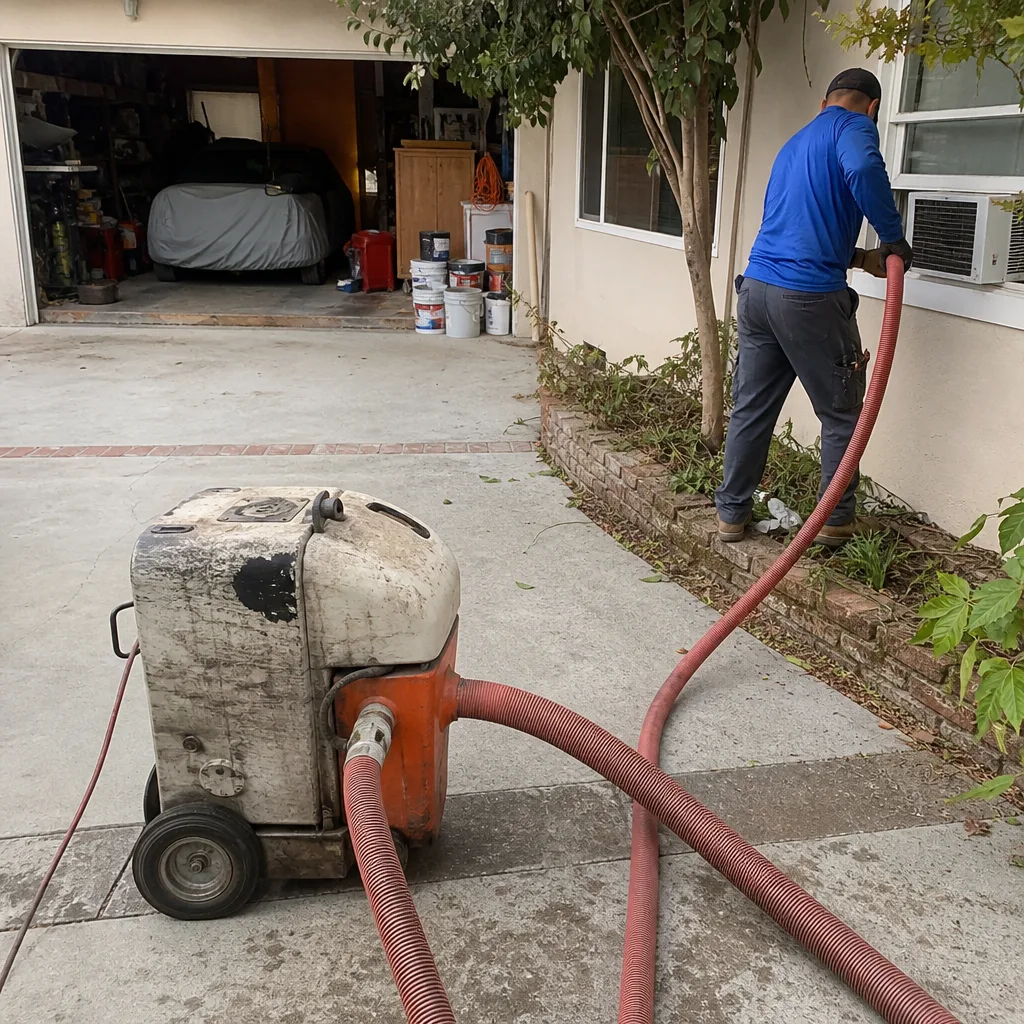 Before
 After
After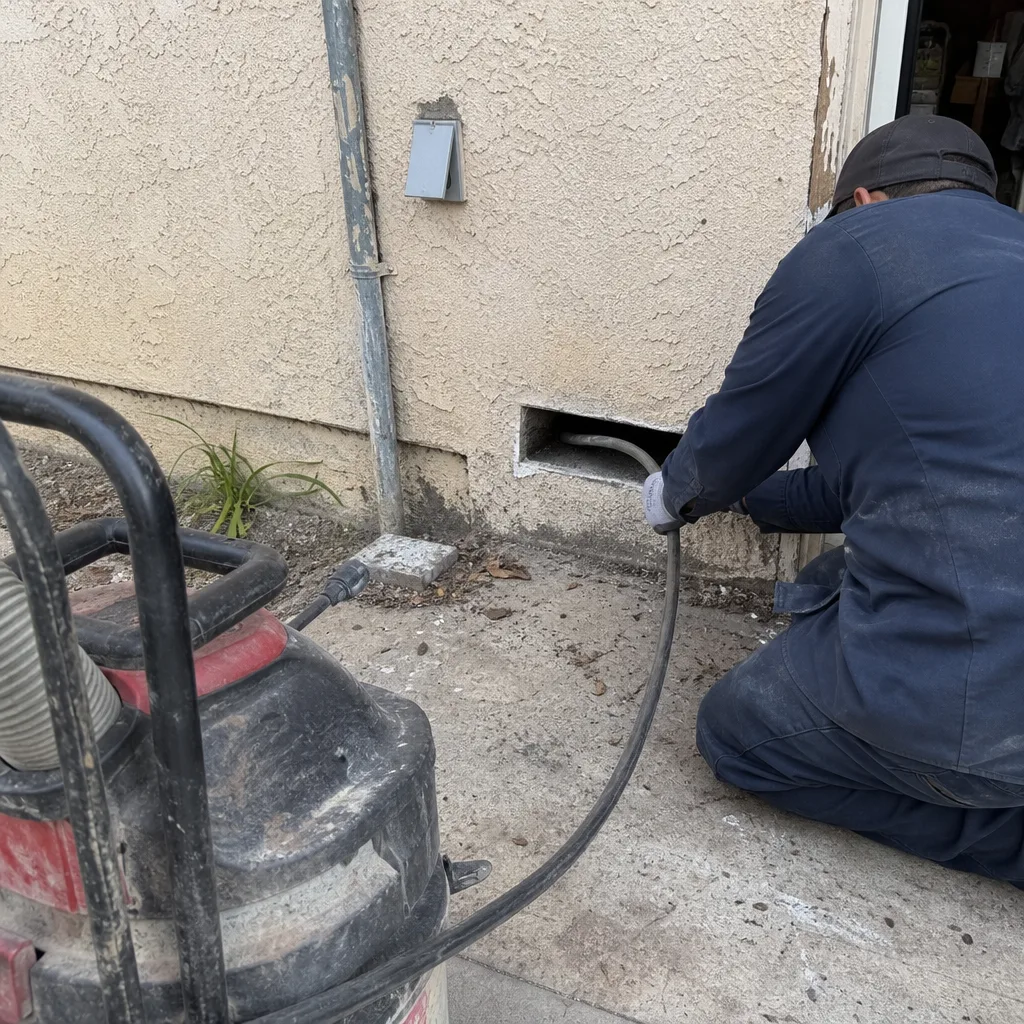 Before
 After
After