
Last updated October 15, 2026
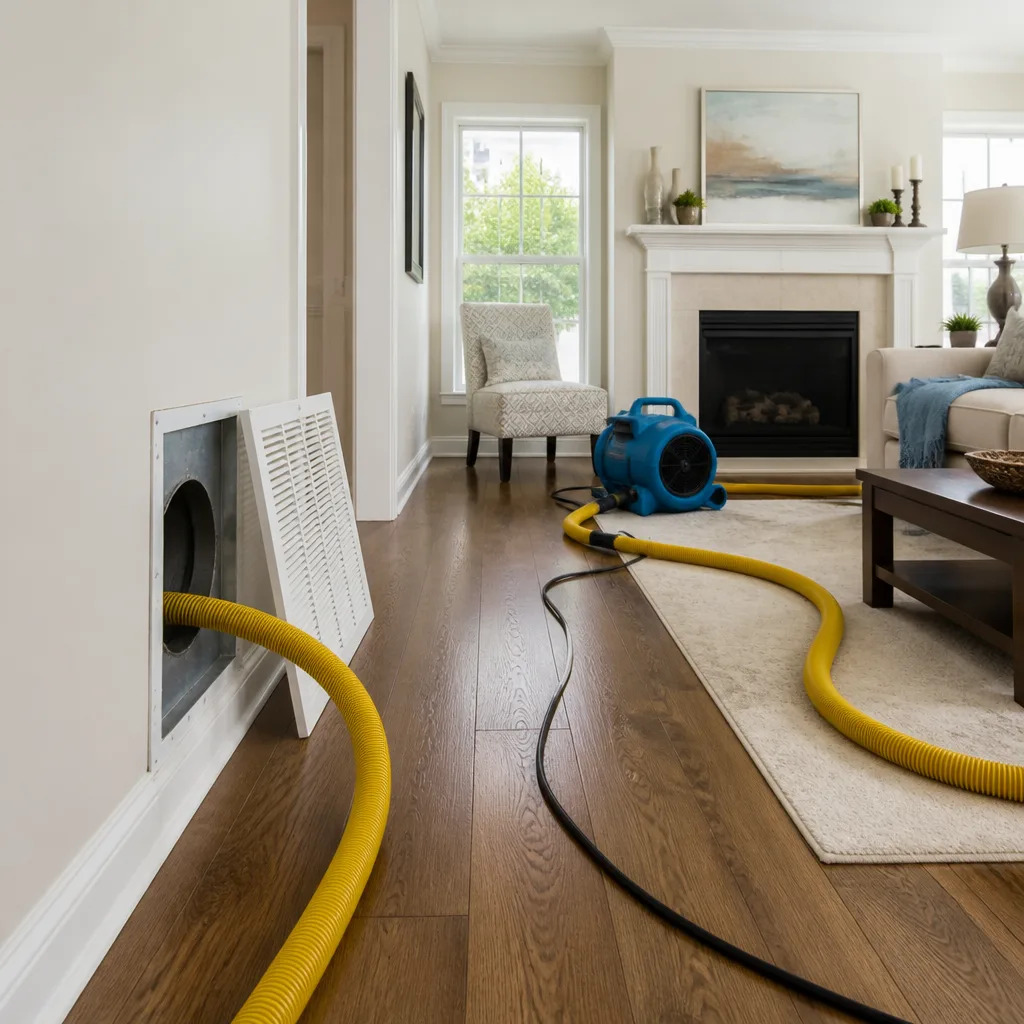 Whole-home duct cleaning
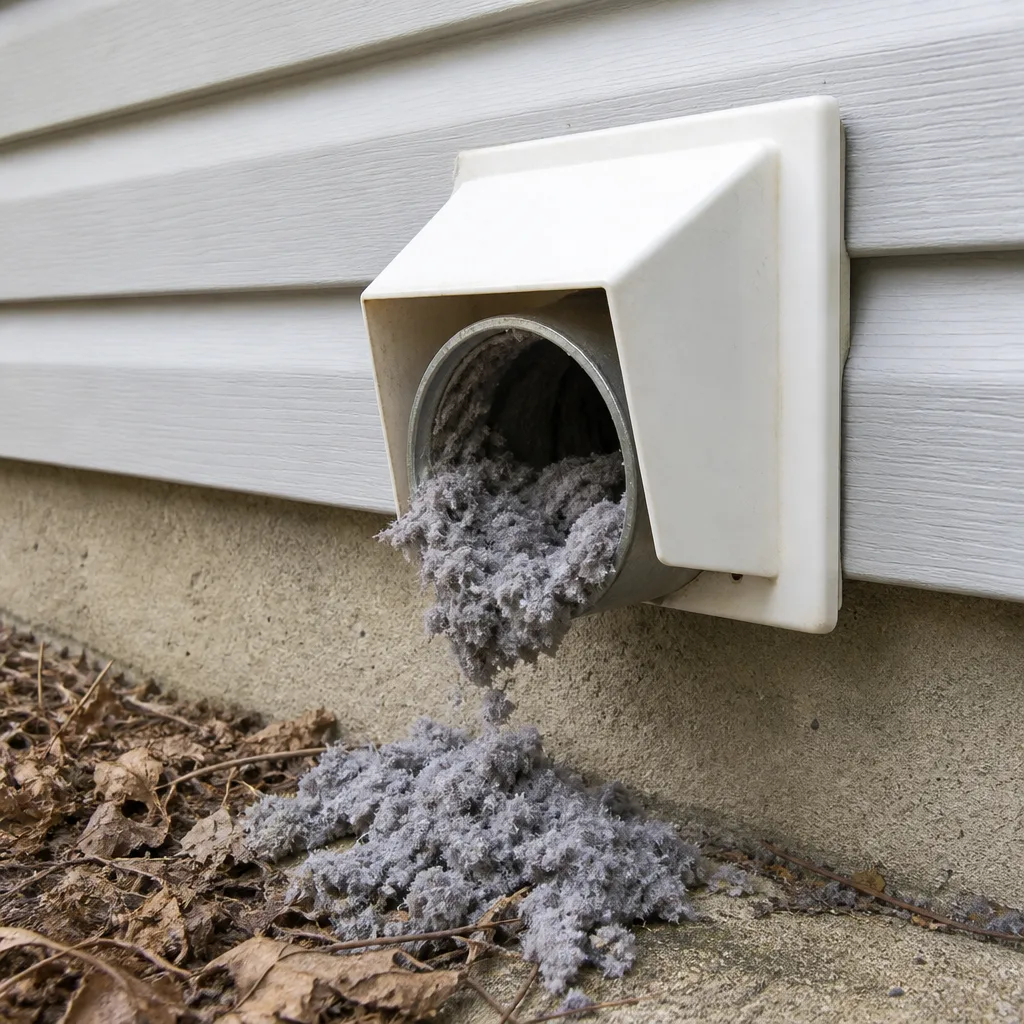 Dryer vent cleaning
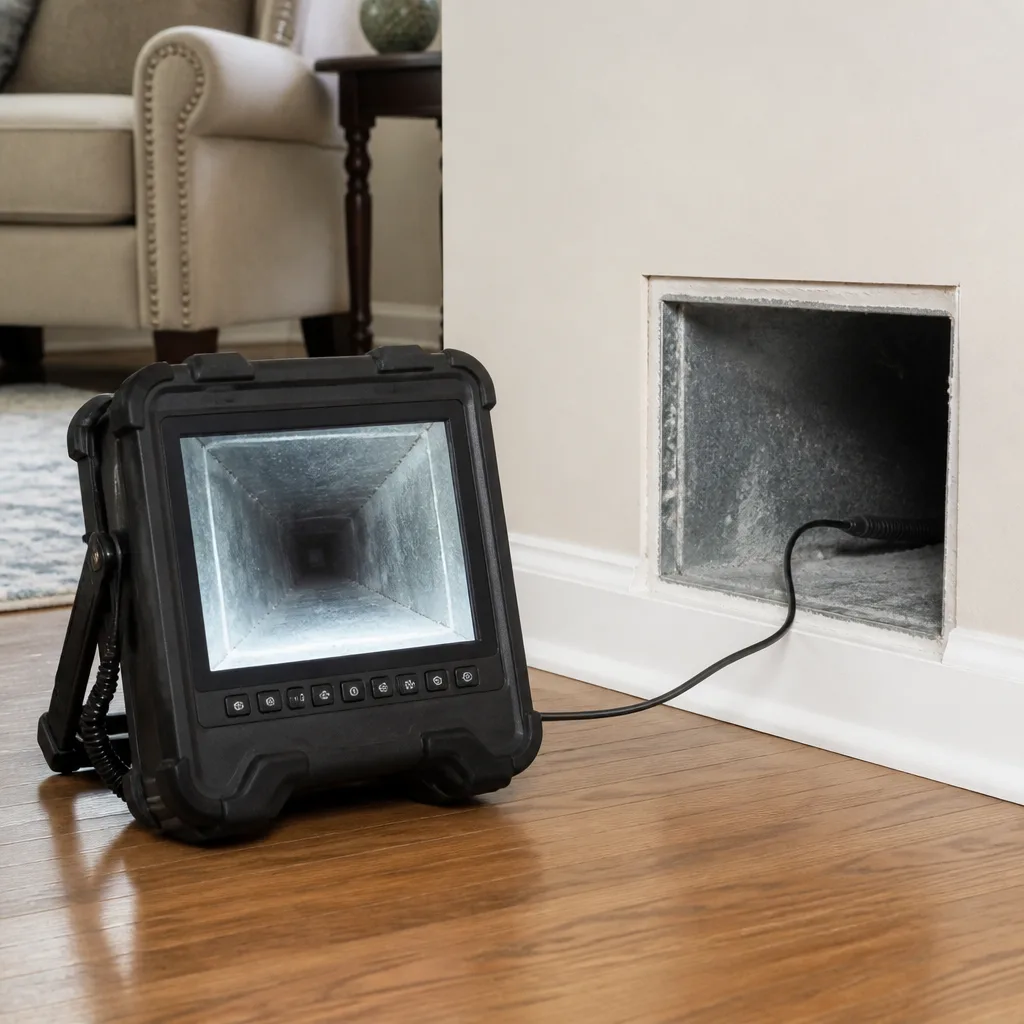 Camera inspection
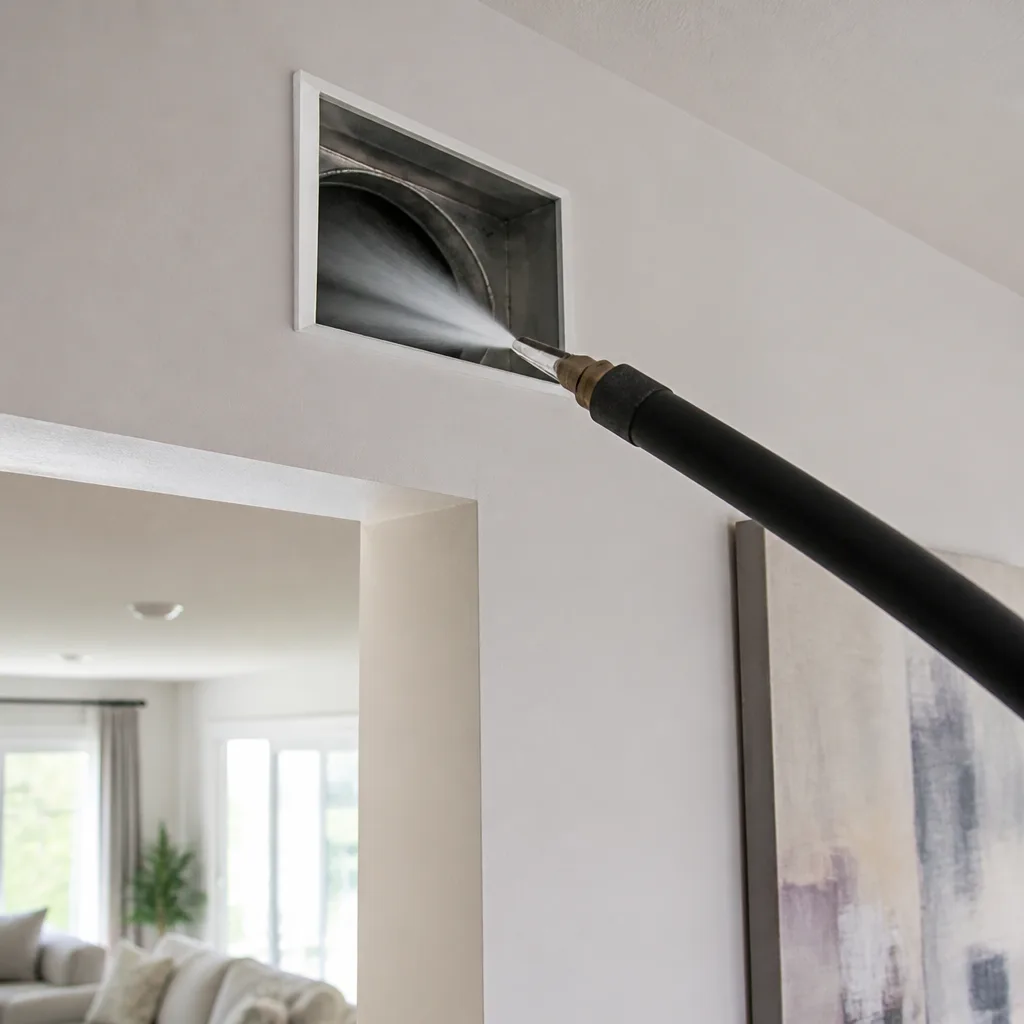 Sanitizing & deodorizing
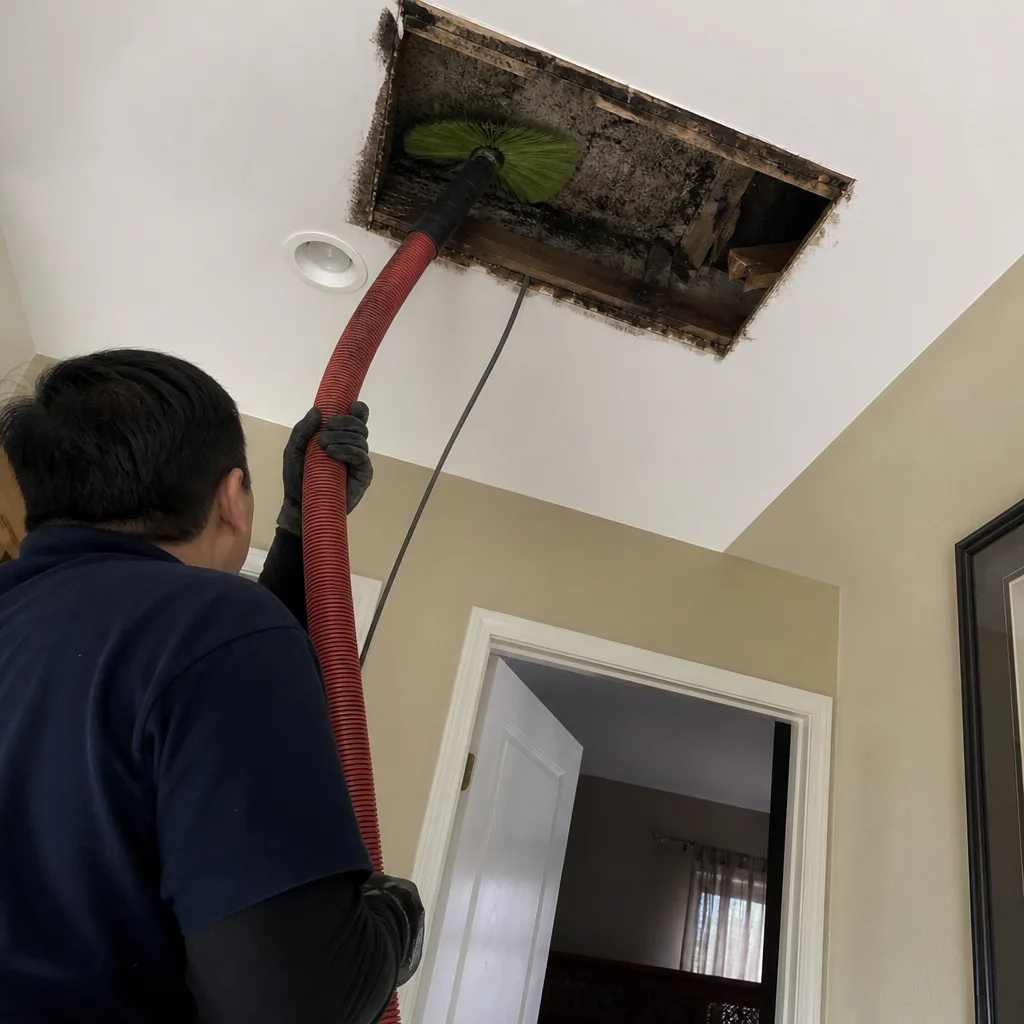
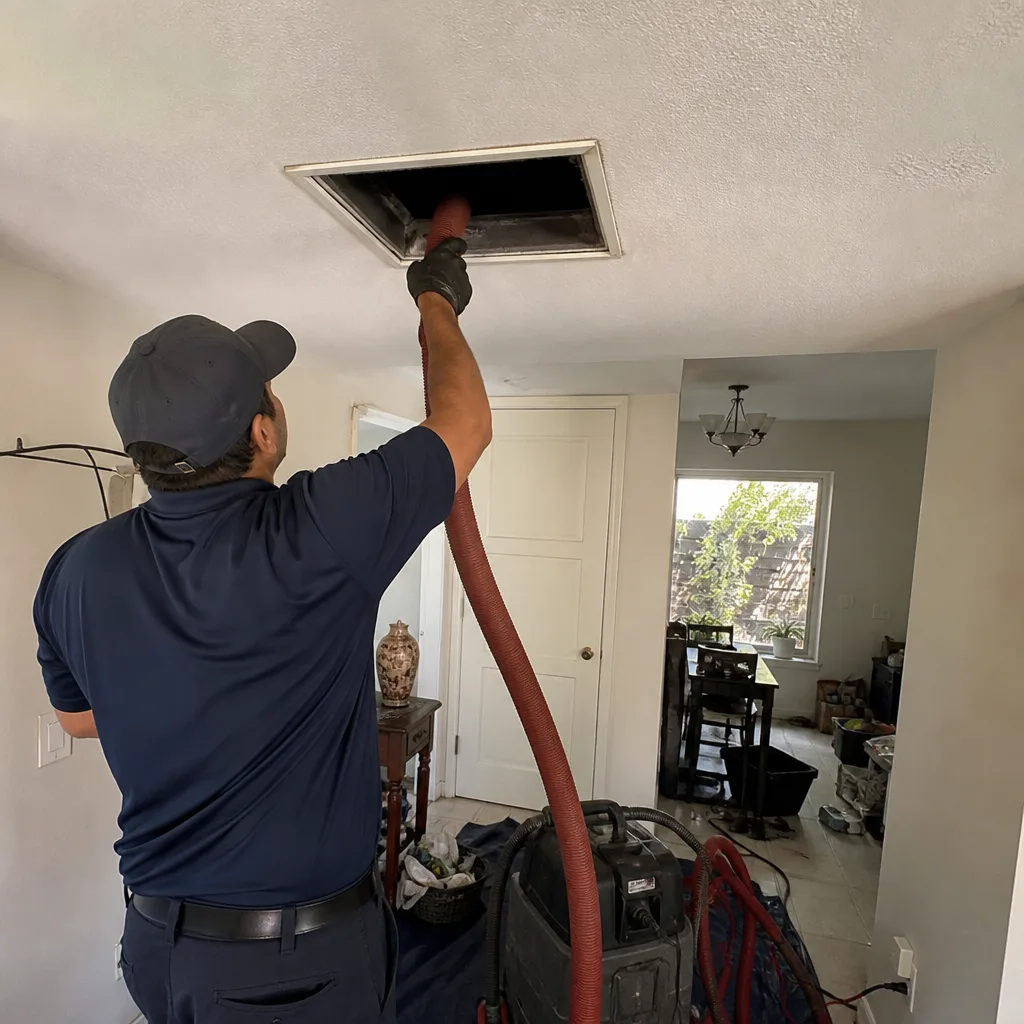
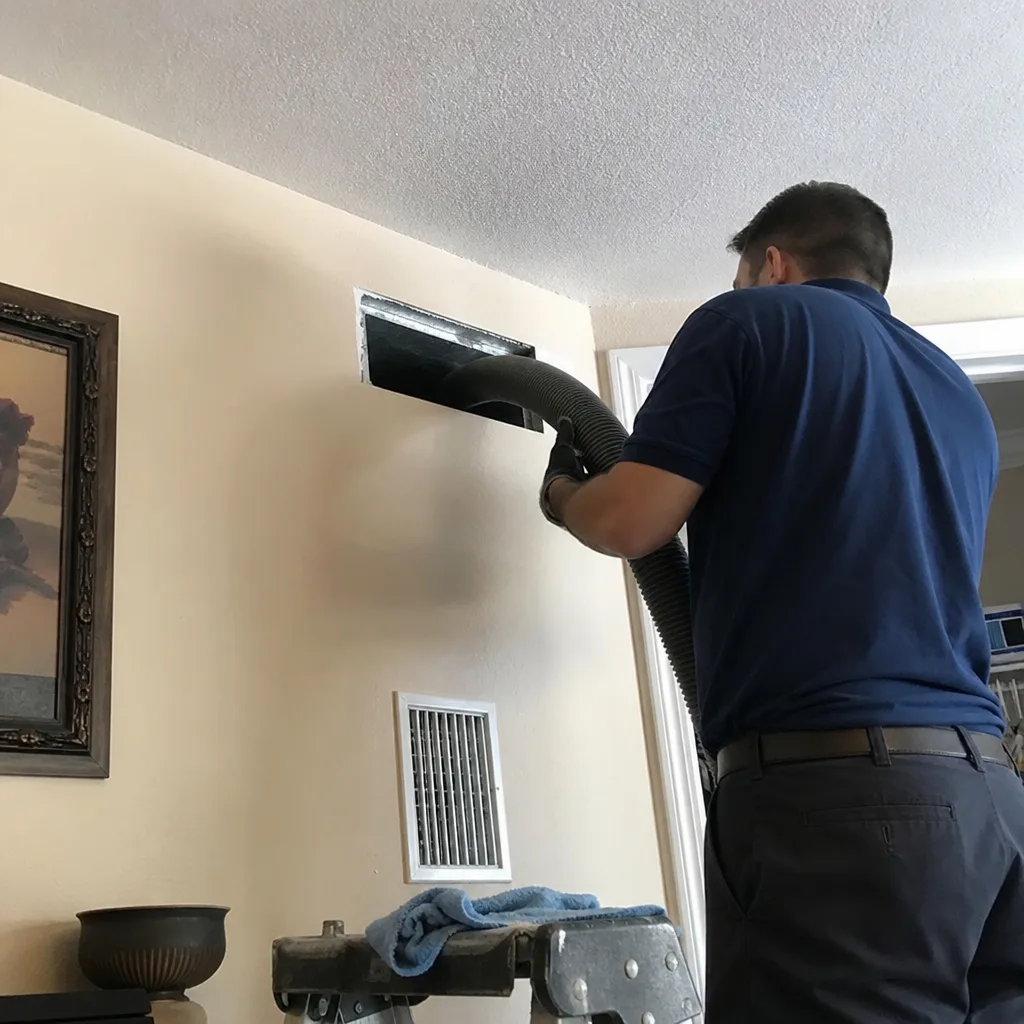
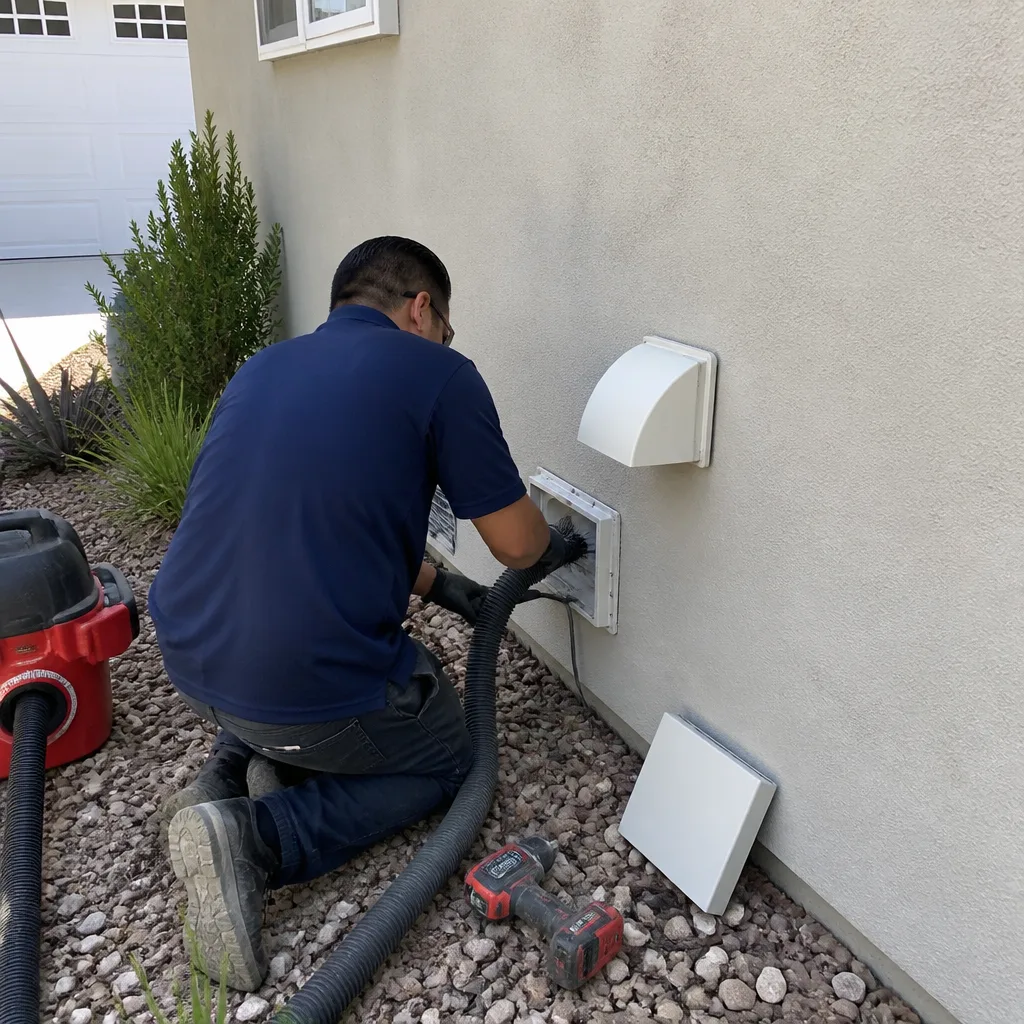
Whole-system duct and dryer vent check with before-and-after photos - you see exactly what came out of your vents
That "$99 whole-house special" is a bait ad - the real number appears once they are in your hallway, or the "clean" is a shop-vac at the register. We photograph the inside of your ducts before and after instead.
Air Duct Cleaning Maintenance Checklist for Long Beach Homeowners
A clogged return duct can make a new HVAC system perform like a unit ten years older, and most Long Beach homeowners won’t catch it until their energy bill tells them something is wrong. By then, the dust, salt residue, and pet dander have already cycled through the blower motor, the evaporator coil, and every bedroom in the house. What follows is a working maintenance system for Long Beach homes: a dated, observable, month-by-month log you can actually keep, tied to the specific ways this coastal climate and its housing stock stress ductwork. By the end, you’ll know what to look at, how often to look, what it should cost when something’s off, and when a checklist stops being enough.
Quick Answer
The core air duct maintenance checklist for a Long Beach home is: change or inspect your HVAC filter every 30 to 90 days (depending on MERV rating and household load), visually inspect supply registers and return grilles once a month, look for corrosion or moisture staining during the humid June-to-October months, and schedule a professional negative-air duct cleaning every 3 to 5 years, sooner if you’re near the coast, doing renovation work, or running pets indoors. A full system cleaning in Long Beach typically runs $350 to $700 for a single-family home. Log every filter change by date and MERV rating, and document register conditions with a phone photo.
Styles & brands we work with
Table of Contents
- Why a Checklist Matters More in Long Beach Than Inland
- Monthly Maintenance Tasks (15 Minutes, No Tools)
- Quarterly Tasks: The Filter, The MERV Question, and The Log
- Annual Tasks: Grilles, Registers, and the Coil You Can’t See
- How Long Beach’s Coastal Salt Air Affects Metal Ductwork
- How to Document Maintenance for Warranties and Home Sales
- When Cleaning Isn’t Enough: Duct Sealing in Long Beach
- Common Mistakes to Avoid
- When to Call a Professional
- Frequently Asked Questions
Why a Checklist Matters More in Long Beach Than Inland
Long Beach sits in a marine layer zone. That means morning overcast, evening damp, and air that carries more salt and moisture than anything you’d find in, say, Lakewood or Downey a few miles inland. Your ductwork sits in that environment year-round, and the air moving through it picks up whatever’s living on the metal surfaces. A checklist works here because the failure mode is gradual: a little moisture film, a little salt crystalization, a little more dust binding to the wet spots, and then airflow drops without a single dramatic event. You don’t get a warning light. You get a higher summer bill and a bedroom that never quite cools.
We’ve worked in Belmont Shore homes where galvanized duct boots showed visible surface bloom within eight years of installation; the same ductwork in Bixby Knolls, a mile inland, might go fifteen years before anyone notices. The difference isn’t build quality. It’s salt exposure and humidity. That’s why the tasks below are weighted toward observation: you’re looking for early signs before contamination reaches the air handler, because once it does, the cleaning bill rises and the repair risk climbs with it.
This guide is built for the homes you actually find in Long Beach: post-war stucco tract houses in Los Altos, 1920s California bungalows with floor registers in Bluff Heights, mid-century ranch homes in El Dorado Park, and newer builds in the Bixby Knolls corridor where attic space is tight and flex duct runs are longer. Each of those responds differently to the same marine air, but the maintenance rhythm holds.
For the full scope of what a professional cleaning involves in this market, see our Air Duct Cleaning in Long Beach page. The checklist here is the homeowner’s side of that job.
Monthly Maintenance Tasks (15 Minutes, No Tools)
Put these on a recurring calendar entry. The goal is to catch visible changes before they become system-level problems. Every task below takes under two minutes, and the whole pass through the house should not exceed fifteen.
- Look at the return grille. If it’s pulling a visible gray mat of dust, the filter (if you have one at the return) is overloaded or the filter slot is bypassing air around the edges. Both are common in older Long Beach homes where filter slots were sized for 1-inch fiberglass, not modern pleated media.
- Run your hand along the top of a supply register in the room farthest from the air handler. Dust accumulation on the register’s outer edge means conditioned air is escaping around the boot and carrying duct debris with it. This is more than cosmetic: it’s a sign the boot seal has failed.
- Listen for new sounds. A soft whistle that wasn’t there last month usually means airflow restriction. A ticking sound from the plenum can mean metal expanding against a loose joint. Neither fixes itself.
- Check for moisture staining or rust drips on visible duct runs in garages, utility closets, and crawl spaces. Long Beach garages run humid, especially on June-gloom mornings. Surface rust on exposed duct seams is your earliest corrosion indicator.
- Sniff the supply air at startup. A musty first-30-seconds smell that fades is normal in coastal homes. A musty smell that persists while the system runs means microbial growth somewhere in the wet coil pan or duct liner. Do not ignore a persistent smell.
Quarterly Tasks: The Filter, The MERV Question, and The Log
You’ll change your filter every 90 days, or more often if the household keeps pets or runs the system heavily from July through September. But the maintenance value isn’t in changing it; it’s in logging the change and reading what the old filter tells you about the system’s health.
The MERV problem: MERV ratings measure how small a particle the filter can catch. Short version: MERV 8 catches pollen and dust; MERV 11 catches mold spores and pet dander; MERV 13 catches smoke and fine particulate. The trap for Long Beach homeowners is assuming higher is always better. A MERV 13 filter is restrictive. In a single-stage blower motor installed in a 2004 tract home, it increases static pressure, which lowers airflow, which makes the motor work harder and fail sooner. If your system wasn’t designed for high-MERV filtration, stick to MERV 8 or MERV 11 and change on schedule. If you’re running MERV 13, you should be changing it more often, and you should know why you’re doing it.
How to log it: Write the date of installation, the MERV rating, and the brand on the filter frame with a permanent marker. That gives you a visual answer to “how long has this been in here?” without digging through receipts. Keep a simple spreadsheet or a page in a home maintenance notebook with four columns: date, MERV, condition notes, and any register observations from that month’s visual pass.
Reading the old filter: A filter that comes out dark gray after 90 days means the duct runs upstream of it are carrying significant particulate, and some of that is bypassing the filter because it’s entering the return side after the filter. A filter that comes out damp or shows visible moisture stains means humidity is condensing on the media, which means the return plenum may be drawing from a damp crawlspace or the system is oversized and short-cycling. Both have specific fixes, but neither gets fixed by buying a better filter.
Annual Tasks: Grilles, Registers, and the Coil You Can’t See
Once a year, do a deeper pass. This is the task set that prevents most $800-plus repairs in Long Beach housing stock.
- Remove and wash every supply register and return grille. Use warm water and dish soap; let them dry completely before reinstalling. While the register is off, look down the boot opening with a flashlight. You’re looking for: matted dust against the boot walls, visible rust or white mineral deposits (salt bloom), insect debris, or a gap where the boot meets the floor or wall.
- Inspect the filter slot for bypass. Older Long Beach homes often have filter slots that are shallower than the filter being used, which leaves an air gap along one edge. A strip of closed-cell foam weatherstripping along the slot’s edge can close that gap. This is a legitimate homeowner task that takes ten minutes and costs under ten dollars.
- Check the condensate drain line. The evaporator coil pulls moisture out of Long Beach’s humid air during cooling months. That water goes somewhere. If the drain line clogs, the pan spills, and water finds drywall or duct insulation. Pour a cup of vinegar down the cleanout or T-fitting once a year. If you have a floor-level utility closet system, confirm the pan underneath is dry.
- Look at the flex duct runs in the attic, if you can access them safely. What you’re looking for: sagging between supports, crushed sections where boxes or board decking rest on the duct, and discoloration where the foil jacket has torn. Flex duct that sags collects condensation pockets. In Long Beach’s humid shoulder seasons, that’s a mold invitation.
- Schedule or at least plan for a professional blower and coil inspection. You can change filters and wash registers, but the blower wheel and evaporator coil are inaccessible to most homeowners. They’re also where the worst fungal growth develops because they’re dark, damp, and warm. This inspection is part of any professional Air Duct Cleaning in Long Beach job, and we recommend it be done even when ducts themselves look clean.
How Long Beach’s Coastal Salt Air Affects Metal Ductwork
The Pacific isn’t just humid; it’s salty. Long Beach’s prevailing onshore flow carries microfine salt aerosol inland for several miles, and the concentration decreases with distance from the beach. Homes in Naples, Belmont Shore, and the Peninsula get the heaviest dose. Homes near the Traffic Circle get less but still measure measurably more than, say, Cerritos.
Salt does two things to galvanized ductwork. First, it accelerates the breakdown of the zinc coating that protects the underlying steel. Once the zinc is compromised, the steel rusts. It shows up first at seams, joints, and any place where the metal was scratched during installation. Second, salt is hygroscopic: it attracts water. A duct surface carrying salt residue will form a moisture film at lower relative humidity than clean metal would. That film binds dust. That dust becomes a growth medium.
What to look for:
- White or gray powdery bloom on duct surfaces and register boots. This is salt crystalization plus early zinc breakdown, and it’s your earliest visible warning.
- Orange-brown surface rust at seam overlaps, especially on ducts running through garages, beach-facing crawlspaces, and unconditioned attics.
- Register screws that show rust while the surrounding floor or wall is clean. The duct boot underneath is holding moisture.
- Paint bubbling on duct surfaces. This means rust is forming under the paint layer and lifting it.
None of these require replacement on their own. Surface corrosion on accessible duct runs can often be cleaned, primed, and painted, which extends the metal’s service life. What matters is catching it before pinholes or seam failure develop. Pinholes in a return duct pull unconditioned air from wherever that duct passes; pinholes in a supply duct push conditioned air into that same space. Both are waste, and in a Long Beach crawlspace, both draw humid air into circulation.
How to Document Maintenance for Warranties and Home Sales
Here’s the part most checklists skip, and it’s the part that actually has financial value. Your maintenance log is evidence. It supports warranty claims if the blower motor fails, it answers buyer questions during a home sale, and it tells an HVAC technician what’s been done before they start guessing.
What to keep:
- A dated log of every filter change, including MERV rating and the condition of the old filter in two or three words (“dark gray, pet hair heavy,” “damp along one edge,” “normal for 90 days”).
- Annual register and grille inspection notes, including what you saw inside the boot and what you did about it.
- Receipts for any professional duct cleaning, duct sealing, or HVAC service, filed with the date and the provider’s name. If the service provided before-and-after photos (you should ask), keep those in the same file.
- Photos of anything you find during monthly or quarterly checks: rust blooms, visible duct damage, standing water in the condensate pan. Date the file name. A photo with a timestamp is treated differently than a memory.
When it’s time to sell, this documentation answers the two questions buyers actually ask about HVAC systems: “How old is it?” and “Has anyone been taking care of it?” The answer to the second question changes the offer. A system with a clean maintenance history reads as remaining service life; a system with no history reads as deferred cost. For Long Beach’s older housing stock, where buyers are already factoring the cost of a coastal climate, that distinction matters.
If you have ducts that leak badly enough that cleaning alone won’t correct the system’s performance, the next step is Duct Sealing in Long Beach, which addresses the air loss directly. But sealing works best when the duct interior is clean first; you don’t seal over a layer of debris.
When Cleaning Isn’t Enough: Duct Sealing in Long Beach
Some Long Beach homes don’t have a dust problem; they have a leakage problem. The symptoms overlap, which is why they get confused. High utility bills, weak airflow to the farthest bedroom, dust appearing in rooms that stay closed, and a house that’s comfortable in one zone and not another can all be caused by air leaks in the duct runs.
The difference matters because the fixes are different. Cleaning removes what’s inside the ducts. Sealing closes the gaps where air escapes into the attic, the crawlspace, or the wall cavity. In a Long Beach home with ducts in an unconditioned attic, the attic can hit 140 degrees in August. Every cubic foot of conditioned air that leaks into that attic is money you paid to cool a space nobody lives in.
We start with air flow diagnostics; in our experience, a return-side leak in a duct system can pull more particulate from the attic than anything living inside the ducts. Sealing those leaks changes the system’s air quality and its run time. It’s not a cheap fix; plan on $800 to $2,000 depending on system size and access. But when it’s needed, no amount of filter changes will compensate for the loss.
For homes where the concern is the dryer vent rather than the HVAC ducts, we maintain a separate page for Dryer Vent Cleaning in Long Beach, which has its own maintenance timeline dictated by lint accumulation rather than dust load.
Common Mistakes to Avoid
- Running a MERV 13 filter in a system designed for MERV 8 and changing it yearly. The combination of high restriction and long service intervals strangles airflow and loads the blower motor. Long Beach summers with high humidity make the strain worse.
- Cleaning registers without looking inside the boot. The register is just the visible flange. The boot behind it can be heavily fouled while the register plate looks fine. Washing the plate alone is cosmetic maintenance.
- Sealing every vent in unused rooms. Many Long Beach homeowners close registers in guest bedrooms to direct air elsewhere. This raises static pressure across the whole system and can cause coil freeze in humid weather. The system was balanced for a specific duct volume; closing registers unbalances it.
- Using the filter as a substitute for duct cleaning. The filter protects the equipment, not the duct system. What bypasses the filter through leaks and gaps gets deposited in the ducts and blows into living spaces. A better filter doesn’t clean existing buildup.
- Ignoring the condensate line until the unit stops cooling. By the time the system shuts down on a wet switch or the pan overflows, the damage is done. This is an annual ten-minute task worth doing.
- Painting over rust without addressing the moisture source. Surface remediation only buys time if the moisture that caused the rust isn’t addressed first. In Long Beach, that moisture usually comes from either the marine air or a condensate leak.
When to Call a Professional
The checklist will catch most problems early, but some findings need a trained eye and professional equipment. Call for professional service if you see: visible mold growth on any accessible duct surface, register, or the inside of the filter housing; rust blooms that have progressed to pinholes or flaking metal; a persistent musty smell that doesn’t clear after the system has run for several minutes; water stains around any register or on ceilings below duct runs; airflow that drops off suddenly without a clogged filter to explain it; or a pest intrusion that left debris inside a duct run. These are not maintenance items; they are remediation items. Hollis Air Duct Long Beach offers free estimates in Long Beach. Call (562) 548-7365 and tell us what you’re seeing; we’ll tell you whether it warrants a truck.
Frequently Asked Questions
Professional air duct cleaning in Long Beach typically costs $350 to $700 for a single-family home, depending on system size, number of supply and return runs, access difficulty, and the level of contamination. Larger homes, homes with crawlspace access limitations common in older Long Beach neighborhoods, and homes that haven’t been cleaned in ten-plus years run higher. Ask for a written price before any work begins, and verify what’s included: blower and coil cleaning, register removal and washing, and negative-air extraction, not just a rotary brush pass. Call (562) 548-7365 for a free estimate on your Long Beach system.
A very low quote usually means the crew is doing a limited job: they’ll run a rotary brush through the main trunk line without doing negative-air containment, they won’t touch the blower or coil, and they may not remove registers and boots. Some cheap services are bundled upsell vehicles where the technician arrives to find “mold” or “repairs” that raise the price hundreds of dollars on the spot. An honest whole-system cleaning with proper containment, extraction, and a clean site is a multi-hour job with professional equipment. That’s what the midpoint of the market is paying for. Call (562) 548-7365 and ask exactly what the cleaning includes before you compare prices.
Ask for before-and-after photos of the duct interior; this is standard practice at reputable companies, and the camera should show the same sections before and after cleaning. Request photos of the blower and coil if you’re paying for those to be cleaned, and verify registers and grilles are reinstalled clean and straight. A professional crew should leave the site cleaner than they found it, with no debris in the home and all access panels closed and sealed. At Hollis Air Duct Long Beach, we document every job; you’ll have photographic evidence of the work finished before the crew leaves your property.
For most Long Beach homes, professional cleaning every three to five years is reasonable. Homes within two miles of the water, homes with pets, homes with recent renovations, and homes where occupants have respiratory conditions should lean toward the three-year interval. Homes with well-sealed ducts, good filtration, and a strong quarterly maintenance log can often go five years. What matters is whether the maintenance log shows steady accumulation or not; if your monthly register checks show visible buildup returning quickly after a cleaning, the interval is too long. Call (562) 548-7365 for an honest opinion on your specific system and location.
Not necessarily. Surface bloom on galvanized ducts is common on the exterior of ducts in Long Beach crawlspaces and garages, and it’s usually a maintenance issue: clean, prime, and paint, then monitor. The point where replacement becomes real is when the corrosion has created pinholes, when seams have separated, or when flex duct jackets are tearing. Those are functional failures, not cosmetic ones. A professional inspection can tell you which condition you have with certainty. The same corrosion concern applies to dryer vents; see our Dryer Vent Cleaning in Long Beach page for the maintenance schedule specific to that system.
Yes, and this is one of the clearest triggers for professional cleaning. Drywall dust, sawdust, and demolition debris get pulled into the return system during renovation and settle throughout the duct runs. That microfine dust passes through a standard filter and films every surface, including the blower wheel and the coil. Cleaning after renovation makes the difference between a system that runs clean for years and one that starts its post-renovation life with a permanent dust load. If your renovation included Duct Sealing in Long Beach, the cleaning should happen first so the sealant goes onto clean metal, not debris.
The Bottom Line
A maintenance checklist is only as good as the habits behind it, and the habit that matters most is looking long enough to notice a change. Monthly register checks, quarterly filter logs with MERV notation, an annual deep pass over boots and drain lines, and documented professional cleanings every three to five years will keep most Long Beach HVAC systems running clean and quiet for a long time. The marine layer, the salt, and the older housing stock all work against you slowly; a good checklist catches their work early enough that it stays cheap to fix.
If this guide raises questions about your specific home or you’d like a professional assessment of your ductwork, call Hollis Air Duct Long Beach at (562) 548-7365. We answer the phone with a real person, we give you a written price before any work starts, and we stand behind the job with the 365-Day Done Right Promise.
Written by Roy Castellanos, Owner at Hollis Air Duct Long Beach, serving Long Beach since 2004.
See the difference
 Before
 After
After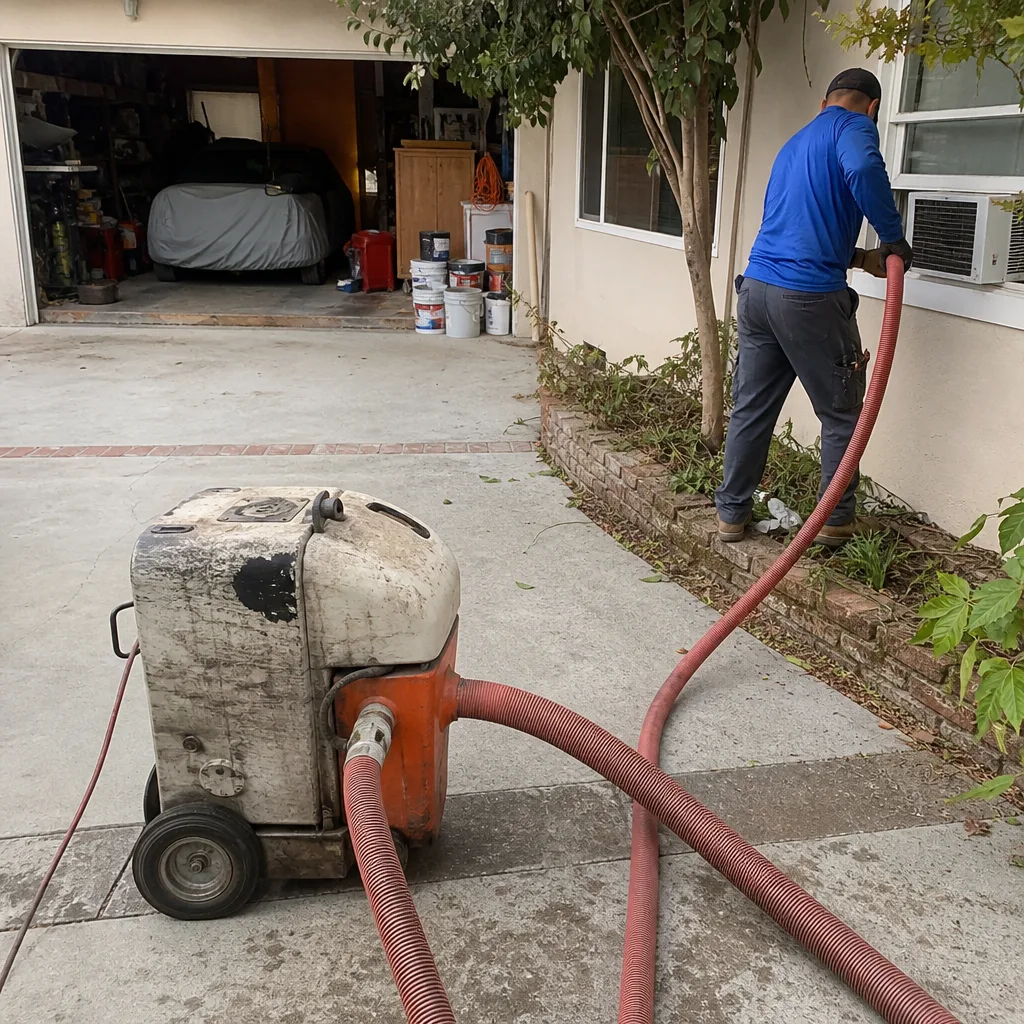 Before
 After
After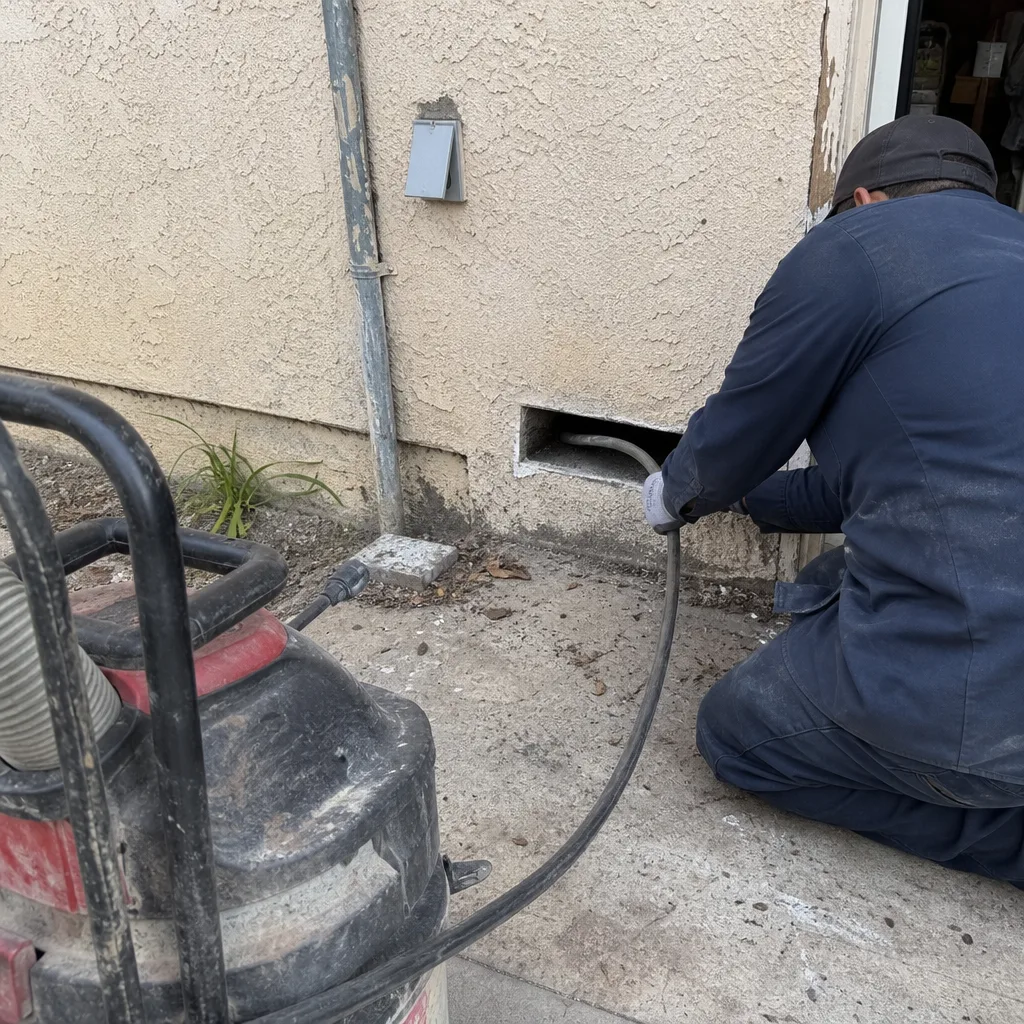 Before
 After
After