
Last updated October 15, 2026
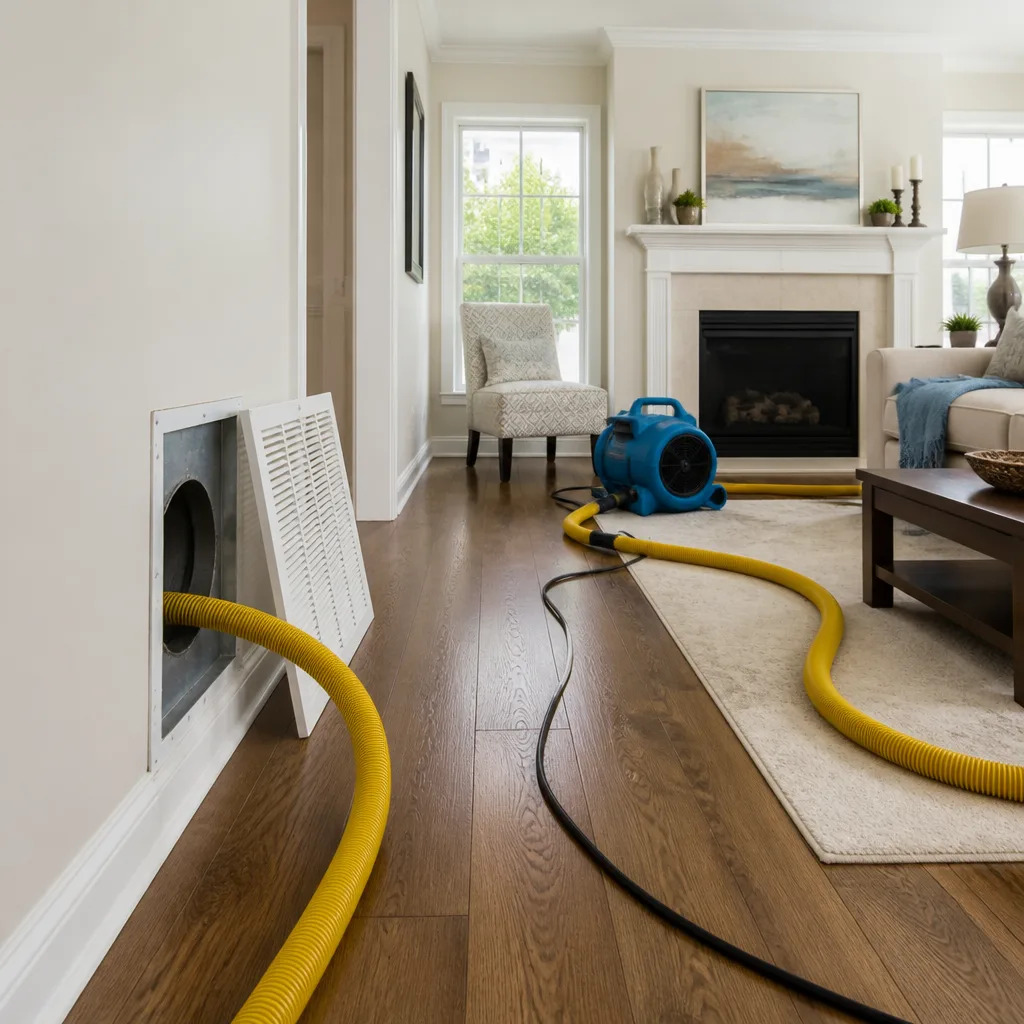 Whole-home duct cleaning
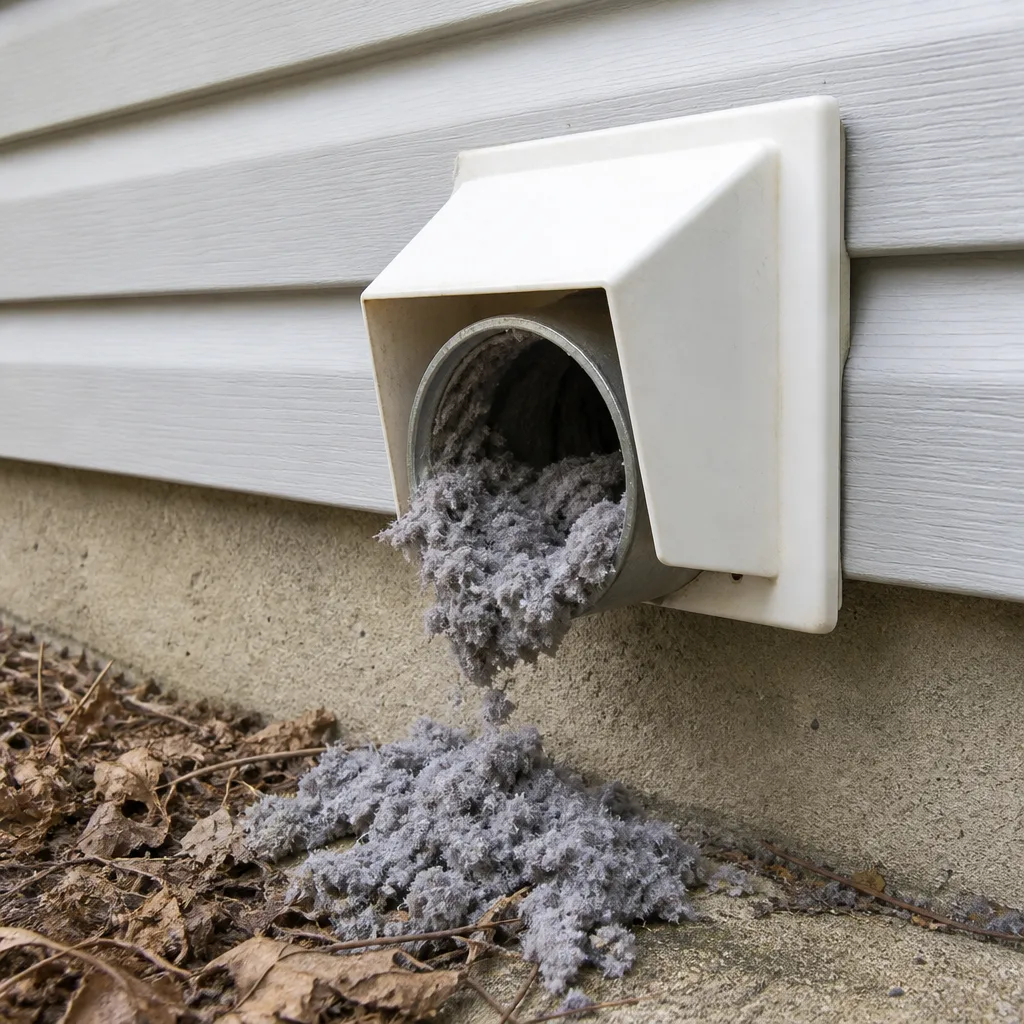 Dryer vent cleaning
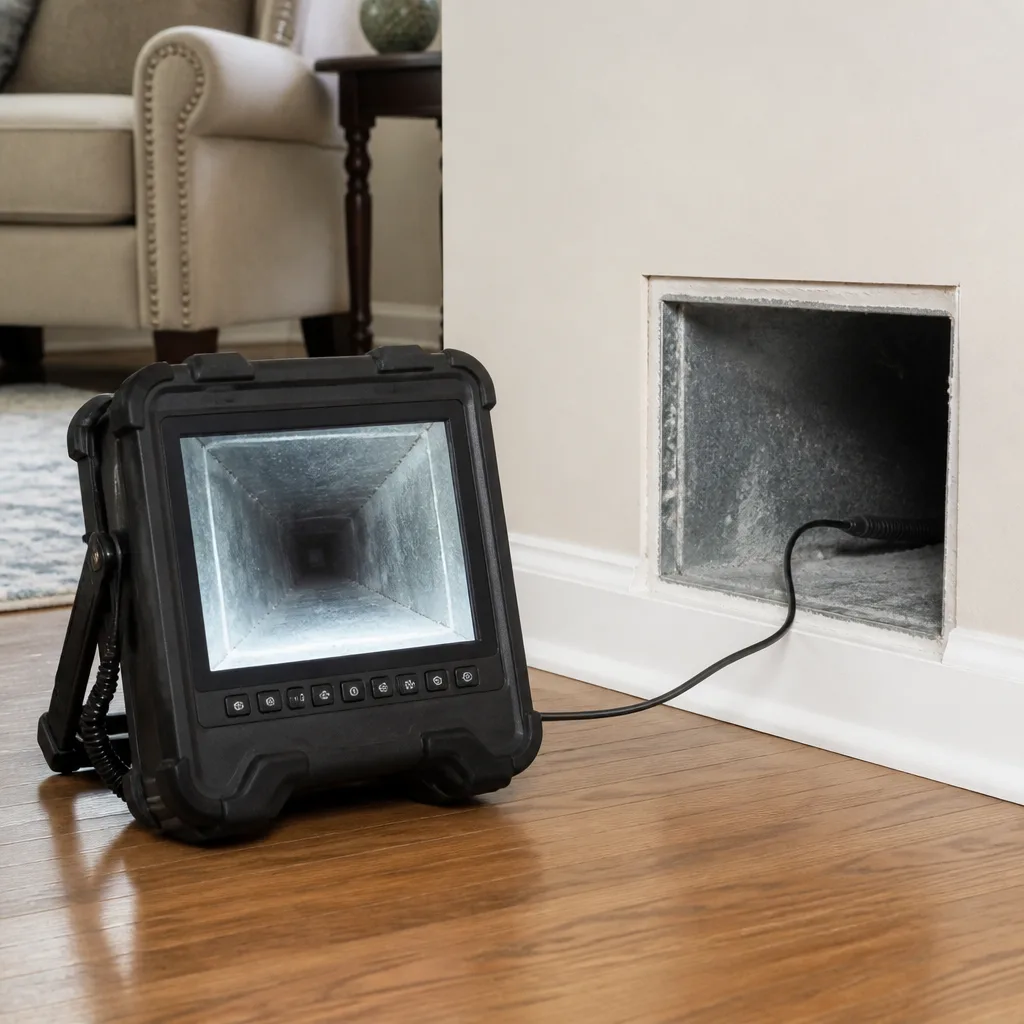 Camera inspection
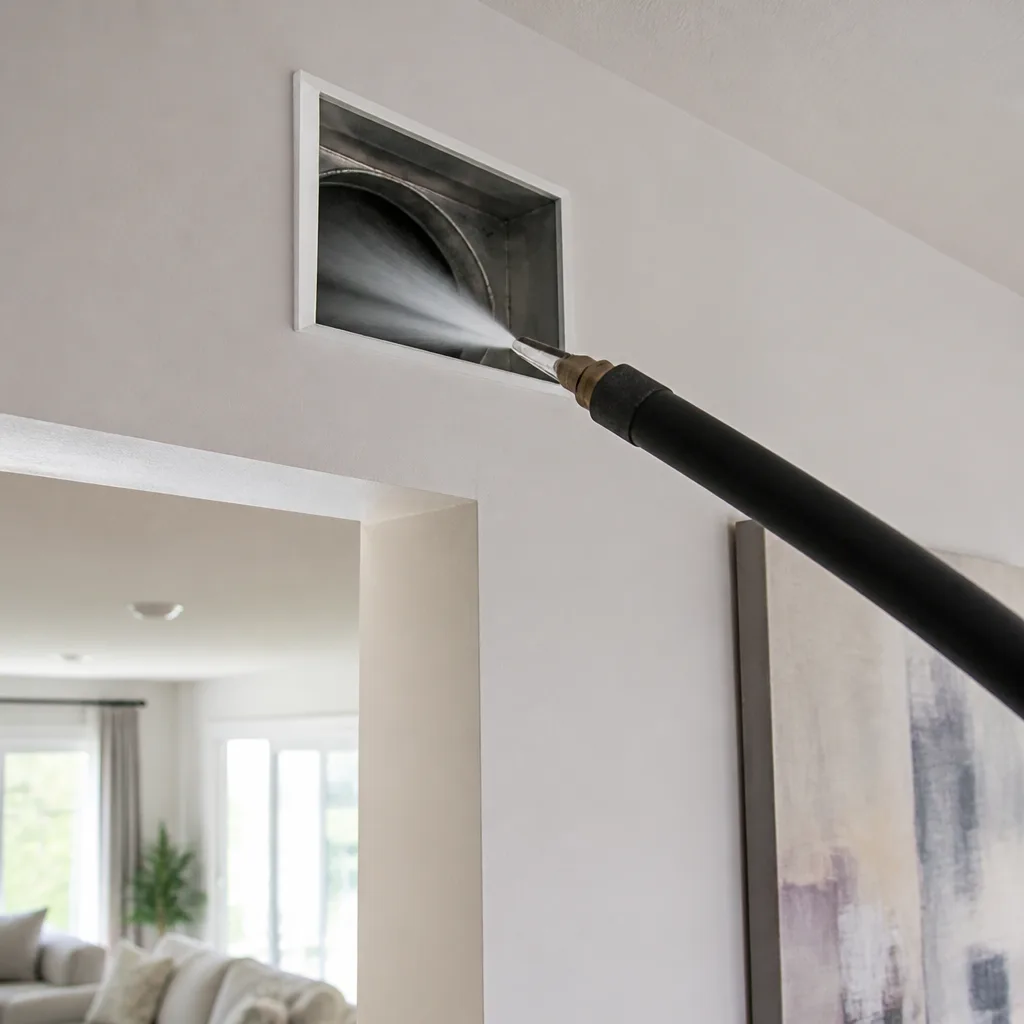 Sanitizing & deodorizing
Whole-system duct and dryer vent check with before-and-after photos - you see exactly what came out of your vents
That "$99 whole-house special" is a bait ad - the real number appears once they are in your hallway, or the "clean" is a shop-vac at the register. We photograph the inside of your ducts before and after instead.
The Complete Guide to Air Duct Cleaning in Long Beach
Here’s something most air duct cleaning companies in Long Beach won’t tell you: the EPA has never published a recommended cleaning frequency for residential ducts. Not once. No “every 3 years” rule, no “every 7 years” standard. Yet nearly every local website advertises one like it came down from Mount Sinai. That gap between what’s marketed and what’s actually documented by the people who study indoor air is where bad service hides, and it’s exactly why Long Beach homeowners get oversold, undersold, or convinced to skip maintenance their house genuinely needs. This guide-along with our How to Hire a Air Duct Cleaning Contractor in Long Beach: A Step-by-Step Guide-walks you through what a legitimate air duct cleaning job actually looks like from the first phone call to the final inspection, how Long Beach’s coastal climate changes what builds up in your ducts, and how to verify the work was done to a real standard rather than just declared complete.
Quick Answer
Air duct cleaning in Long Beach typically costs between $450 and $900 for a full system on a single-family home, and the job should follow NADCA’s ACR standard using source removal methods: negative-air containment combined with mechanical agitation. A legitimate clean takes 3 to 6 hours, requires before-and-after photographic documentation, and should be priced in writing before any equipment enters your home. Most Long Beach homes benefit from our Air Duct Cleaning services every 3 to 5 years, though coastal humidity and port particulate can shorten that window in certain neighborhoods.
Styles & brands we work with
Table of Contents
- What Does Air Duct Cleaning Actually Involve?
- The NADCA ACR Standard vs. What Most Long Beach Companies Describe
- Why Long Beach’s Coastal Climate Makes Duct Contamination Different
- Source Removal vs. Blow-and-Go: How to Tell Which One You’re Being Quoted
- What a Written Price Guarantee Should Cover Before Equipment Touches Your Ductwork
- How Much Air Duct Cleaning Costs in Long Beach in 2026
- How to Read a Post-Cleaning Report and Verify the Job Was Done Right
- Why You Shouldn’t Clean Your Own Ducts (And What You Can Safely Do Yourself)
What Does Air Duct Cleaning Actually Involve?
Air duct cleaning, done properly, is not a vacuum job. It’s a mechanical process that removes accumulated dust, debris, allergens, and sometimes biological growth from the entire HVAC distribution network: supply ducts, return ducts, registers, grilles, the blower motor, the evaporator coil, and the air handler. The goal is source removal, meaning the contaminant is physically dislodged and extracted from the system, not loosened and left to recirculate through your living room.
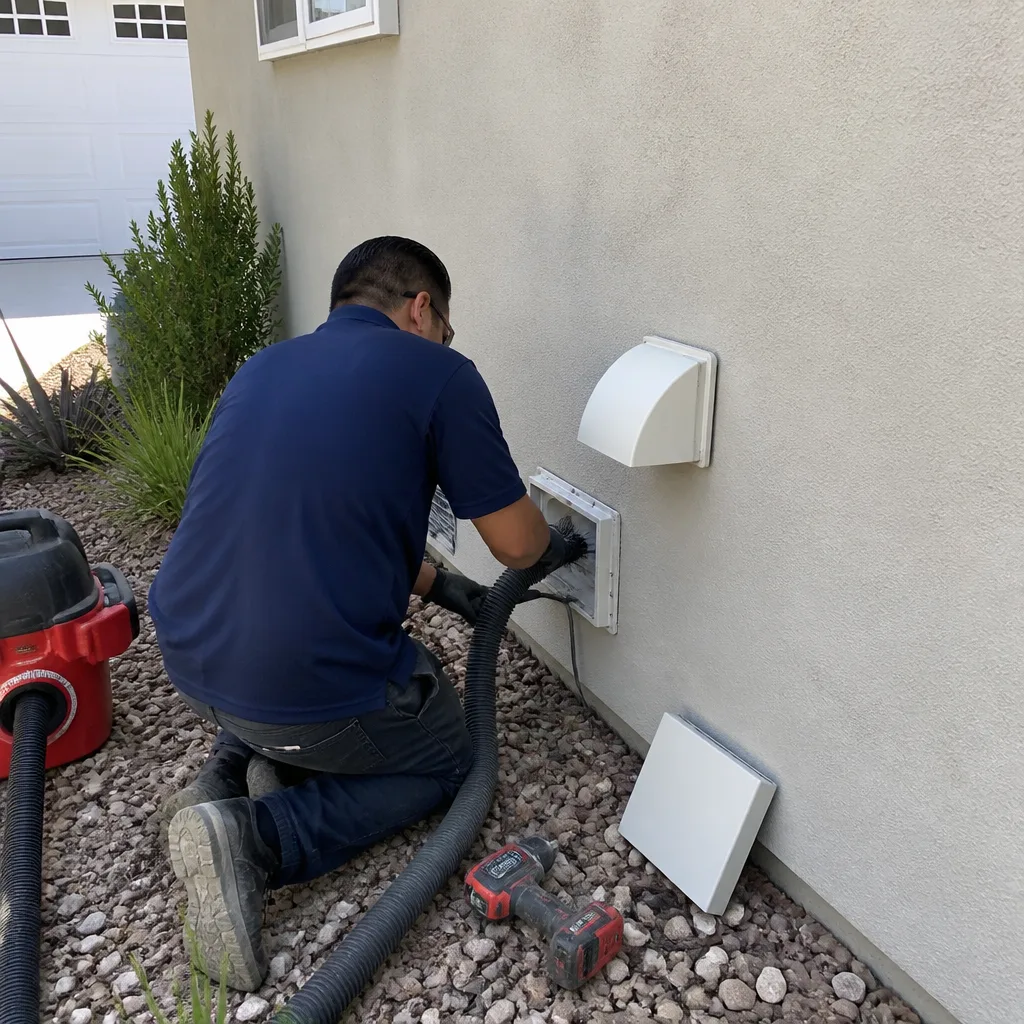
A legitimate job follows a defined sequence. First, the technician seals off each supply register so the system holds negative pressure. Then they connect a high-powered negative-air machine, typically a Nikro or Abatement Technologies unit, to the duct network. This creates a vacuum that pulls air through the system while they work. Next comes agitation: a rotary brush system or compressed-air tools dislodge debris from the duct walls. The negative air flow captures it at the source and carries it into HEPA filtration, not your bedroom carpet.
We’ve cleaned systems in Long Beach neighborhoods from Naples to Bixby Knolls, and the debris profile varies block to block. Homes near the 710 corridor see heavy soot from diesel traffic. Homes in Belmont Shore contend with salt-laden dust that cakes onto duct walls. Homes in Lakewood Village fight pet dander and the fine particulate that settles into every coastal home. A real cleaning addresses all of it with the same discipline: contain, agitate, extract, verify.
The service should also include cleaning the return side of the system. Most of the air in your home enters through return ducts, and they often carry more debris than the supply side because they pull unfiltered air from the living space. If a company quotes you a “supply-only” clean at a discount, you’re not getting a duct cleaning. You’re getting half a job.
The Four Steps of a Legitimate Duct Cleaning
- Inspection and documentation: The technician examines the system with a camera or visual inspection tools and records the condition before any cleaning begins.
- Negative-air containment: A high-powered vacuum unit connects to the system to create negative pressure, ensuring containment during agitation.
- Mechanical agitation: Rotary brushes or pneumatic tools dislodge debris from all interior surfaces, including the main trunk line and branch ducts.
- Verification and report: The technician provides photographic evidence of the cleaned surfaces and a written report of what was done, what was found, and what remains.
At Hollis Air Duct Cleaning in Long Beach, every job runs through this exact sequence using professional-grade equipment. No shortcuts, no skipped steps, and no variation based on how busy the schedule is that week.
The NADCA ACR Standard vs. What Most Long Beach Companies Describe
NADCA, the National Air Duct Cleaners Association, publishes the industry’s governing document: the ACR Standard, formally titled “Assessment, Cleaning, and Restoration of HVAC Systems.” This is the closest thing the trade has to a rulebook, and it specifies exactly what a legitimate cleaning must include. Here’s the thing: most Long Beach companies will describe something vaguely similar but omit the parts that cost them time and money.
The ACR Standard requires vacuum collection devices be connected to the duct system to create negative pressure during the entire cleaning process. It requires mechanical agitation to dislodge debris. It requires that the system’s interior surfaces be visibly clean upon completion, verifiable through visual inspection or remote camera. It requires access to the system be sealed properly after cleaning, using access panels and fasteners that maintain system integrity.
What most local companies describe is simpler: a vacuum hose, a brush, and a promise. We see it every day in Long Beach. A homeowner gets a quote from a company running a $79 special, the crew shows up with a portable vacuum and a spinning brush attachment, and forty-five minutes later they’re handing over an invoice and driving away. That’s not the ACR Standard. That’s a blow-and-go.
The ACR Standard also specifies that cleaning should include the air handling unit itself: the blower motor, the evaporator coil, and the housing. These components sit upstream of your ductwork and they collect moisture, dust, and biological growth in ways the ducts alone never will. If a company’s quote doesn’t mention the coil and blower, the quote doesn’t meet the standard.
Here’s what we do differently, and we state it plainly because it matters: at Hollis, every cleaning follows the ACR sequence with point-of-contact agitation and continuous negative-air extraction. We use Rotobrush rotary brush systems for the duct runs and Nikro negative-air machines for containment. Every job receives a written report with before-and-after documentation. If the system is not visibly clean when we’re done, the job isn’t done, and Hollis Air Duct Long Beach comes back until it is.
Why Long Beach’s Coastal Climate Makes Duct Contamination Different
Long Beach sits at the meeting point of two forces that inland Southern California homes don’t contend with. The first is marine air. The second is the Port of Long Beach, the second-busiest container port in the United States. Together, they create a particulate and humidity profile that changes what accumulates in your ducts, how fast it accumulates, and what it does once it’s there.
Coastal humidity is the wildcard. Long Beach averages between 65 and 80 percent relative humidity year-round, especially in neighborhoods within a few miles of the water like Belmont Heights, Alamitos Beach, and the Peninsula. When humid air passes through cool ductwork, moisture can condense inside the system. That moisture binds with dust, creating a film that adheres to duct walls rather than blowing through. Over time, that damp residue becomes a medium where mold and bacteria can grow. Homes in Long Beach without whole-house dehumidification see this more often than inland homes in, say, Downey or Lakewood, where the air runs drier.
The port adds a second layer. Diesel particulate from ships, trucks, and rail operations doesn’t stay at the harbor. Prevailing onshore winds carry fine particulate across the city, concentrating in areas west and north of the port: downtown, Wrigley, and parts of Signal Hill. This particulate is exceptionally fine, which means it stays airborne longer and infiltrates homes through gaps in the building envelope. Once inside, the HVAC system pulls it into the return ducts, where it deposits on the blower wheel, the evaporator coil, and the interior duct surfaces. We’ve seen systems in Long Beach homes near the 710 that look like they’ve been coated in graphite after two years without a cleaning.
The takeaway for homeowners: Long Beach’s air quality creates a faster contaminant load than most of Southern California, which means the “every 5 to 7 years” advice that works inland may not serve coastal homes. In our experience, homes within three miles of the ocean or within two miles of the 710 benefit from an inspection every 2 to 3 years and a cleaning every 3 to 5 years. That’s not a sales pitch. It’s what the inside of the ducts shows us.
Source Removal vs. Blow-and-Go: How to Tell Which One You’re Being Quoted
The entire difference between a real air duct cleaning and a wasted afternoon comes down to two words: source removal. Source removal means physically removing debris from the system and carrying it out of your home. Blow-and-go means loosening debris and pushing it through the registers into the living space, where it settles on furniture, floors, and lungs. One is a service. The other is a hazard.
Here’s how to tell which one you’re being quoted, using specific signals you can check on any phone call with a Long Beach duct cleaning company.
- Ask what equipment they use for containment: A source removal clean uses a negative-air machine that connects directly to the duct system. If the company can’t name the machine or describes only a portable vacuum, you’re getting a blow-and-go.
- Ask how long the job takes: A legitimate source removal clean on a single-family Long Beach home runs 3 to 6 hours. If the quoted time is 60 to 90 minutes, the crew is not doing source removal. They’re doing a dust-and-dash.
- Ask if they clean the coil and blower: Source removal includes the air handling unit. Blow-and-go skips it because the coil and blower require access, time, and care.
- Ask for before-and-after photos: A company that can document the cleaned surfaces has nothing to hide. A company that resists documentation is betting you won’t check.
- Ask for a written post-cleaning report: The NADCA ACR Standard includes documentation as part of the job. If the company doesn’t produce one, they’re not following the standard.
The price usually tells the story before any of these questions do. Source removal requires professional equipment, trained technicians, and hours of labor. You can’t deliver it for $99. When a Long Beach company advertises a whole-house cleaning for a price that wouldn’t cover a dinner for two, what they’re really selling is an entry point for a larger upsell, or they’re doing a surface-level job that leaves the debris in place. Either way, the homeowner loses.
We run the same source removal protocol on every job, whether the system is in a 1,200-square-foot condo in downtown Long Beach or a 4,000-square-foot house in Park Estates. Same equipment, same sequence, same written report. The only thing that changes is the system size and the time it takes.
What a Written Price Guarantee Should Cover Before Equipment Touches Your Ductwork
The air duct cleaning trade has a reputation problem, and it earned every bit of it. The classic play is a bait-and-switch: advertise a low teaser price, get the van into the driveway, then “discover” that the system is heavily contaminated and requires additional services at a price far beyond the original quote. Long Beach homeowners tell us these stories constantly. The best defense is a written price guarantee that covers specific terms before any equipment enters your home.
Here’s what a written price guarantee should include, line by line, and what each term actually protects you from.
- The total price for the complete system: Not per vent, not per duct, not “based on conditions.” The full price for the entire duct network, including the return side, the supply side, the blower, and the coil. If the price is expressed per vent, walk away. That’s a pricing structure built for the bait-and-switch.
- A scope-of-work description: The written guarantee should specify exactly what’s being cleaned, what equipment will be used, and what the process includes. If the scope is vague, the crew has room to cut corners.
- A no-change clause: The price on the written estimate is the price on the invoice, period. No add-ons based on “what the technician finds,” no upcharge for the coil or blower, no “service fee” that appears at the end.
- A re-clean guarantee: If the work is not done to the standard specified in the scope, the company returns at no charge. This is the single most important clause in the whole document, because it’s the one that gives you recourse.
- The guarantee period in writing: How long does the guarantee last? Thirty days? Ninety days? A year? At Hollis, every job is covered by our 365-Day Done Right Promise: if the work fails within a full year, we return and make it right at no charge, including a free second visit. That’s written on every job, not negotiated case by case.
- Licensing and insurance verification: The written estimate should carry the company’s licensing information and proof of insurance. If it doesn’t, the crew you’re inviting into your home has no verifiable accountability.
Roy Castellanos, owner of Hollis Air Duct Long Beach, put it in writing because the trade’s habit of moving targets made it necessary. The Garrison Code, the operational standard every Hollis technician works under, requires the price be written before work starts, the arrival happen inside the quoted window, the job run by the book, and the site left clean. That’s not a marketing phrase. It’s the operational checklist on every truck.
If a company won’t put the price in writing before you commit, you don’t have a quote. You have a guess, and the guess will be revised upward once the van is in your driveway. That’s the oldest play in the book, and Long Beach homeowners fall for it every single week.
How Much Air Duct Cleaning Costs in Long Beach in 2026
Air duct cleaning in Long Beach costs between $450 and $900 for a complete source removal clean on a single-family home. That range reflects the full system: supply ducts, return ducts, blower motor, evaporator coil, and air handler. Condos and smaller homes run toward the lower end. Larger homes with multiple zones run higher. The variables that move the price are system size, access difficulty, and the degree of contamination, not the mood of the technician on the day you call.
What You Should Expect to Pay, by Home Size
| Home Size | Typical System | Expected Price Range | Typical Job Duration |
|---|---|---|---|
| Condo or apartment (up to 1,200 sq ft) | 1 unit, 8-10 runs | $425 – $550 | 2 to 3 hours |
| Single-family (1,200 – 2,200 sq ft) | 1 unit, 10-16 runs | $550 – $700 | 3 to 4 hours |
| Single-family (2,200 – 3,500 sq ft) | 1-2 units, 16-22 runs | $700 – $850 | 4 to 5 hours |
| Single-family (3,500+ sq ft) | 2+ units, 22+ runs | $850 – $1,100 | 5 to 6 hours |
These ranges reflect what we see across the Long Beach market from companies doing legitimate source removal work. If a quote comes in at $250 or less for a whole house, the company is not doing source removal. They’re doing a blow-and-go and calling it a cleaning.
A few specific factors shift Long Beach pricing compared to neighboring cities. Homes with crawl-space systems in neighborhoods like Los Altos and the older sections of Signal Hill often require access through tight spaces, which adds labor. Homes near the coast with salt-exposed ductwork in Belmont Shore and Peninsula sometimes need additional agitation passes that inland homes don’t. And older HVAC systems with fiberglass-lined ducts, common in Long Beach homes built before 1985, require gentler cleaning methods that take more time. None of these are surprises when they’re priced in writing beforehand. That’s why the written estimate matters.
The price should also include the full air handling unit. If a quote separates the duct cleaning from the coil and blower cleaning, you’re being quoted for half a job and you’ll be re-quoted for the other half once the technician is inside. At Hollis Duct Sealing in Long Beach runs on the same no-hassle pricing model: one written price, one scope of work, one invoice.
How to Read a Post-Cleaning Report and Verify the Job Was Done Right
A post-cleaning report is the difference between a company that did the work and a company that says they did the work. The NADCA ACR Standard requires documentation. Most Long Beach homeowners never see one. Here’s what a legitimate report includes and how to read it.
The report should contain four elements: the condition assessment, the cleaning summary, the verification evidence, and the guarantee terms. Each one answers a specific question.
The condition assessment tells you what was found before cleaning began. Debris type, debris location, any evidence of biological growth, and any system deficiencies like loose duct connections or damaged insulation. In Long Beach, we commonly note salt residue in coastal homes, diesel soot in homes near the 710, and pet dander in households with animals. This section tells you the technician actually looked at the system.
The cleaning summary lists what was cleaned, what equipment was used, and how long it took. If the coil or blower isn’t listed, they weren’t cleaned. If the return ducts aren’t listed, they weren’t cleaned. If the equipment columns read “vacuum” and “brush” without a negative-air machine, you didn’t receive source removal.
The verification evidence is the non-negotiable part. This means before-and-after photographs of the duct interiors, the coil, and the blower, taken with a remote camera or similar tool. A company that can’t produce visual evidence of the cleaned surfaces didn’t verify anything. They declared it done because the clock was running. We provide before-and-after photos on every job in Long Beach. It’s not a premium service. It’s the standard.
The guarantee terms restate what’s covered and for how long. Every Hollis report carries the 365-Day Done Right Promise in writing: if the work fails within a year, we return at no charge and make it right. Specific, dated, and signed.
If you didn’t receive a report, call the company and ask for it. If they can’t produce one, the job wasn’t documented, and documentation is part of the service you paid for. A legitimate company has nothing to hide. A company with no report has everything to hide.
Why You Shouldn’t Clean Your Own Ducts (And What You Can Safely Do Yourself)
We’re going to tell you something that sounds like a sales pitch but isn’t: do not attempt to clean your own ductwork. The access is difficult, the equipment matters, and a homeowner working in the plenum can damage the system in ways that cost more than a professional cleaning ever would. Here’s what’s actually involved.
Duct systems run through walls, attics, and crawl spaces. The main trunk line is often inaccessible without cutting access panels. Branch ducts run through tight spaces where a homeowner’s vacuum attachment simply can’t reach. And even if you could access them, a standard household vacuum doesn’t generate the airflow or filtration needed to extract debris safely. You’d be loosening contaminants and pushing them into your home’s air, which is worse than not cleaning at all.
There are, however, three things you can do safely and should do regularly, and you’ll find more guides & resources on our blog. First, change your HVAC filter on schedule. In Long Beach’s coastal air, we recommend a minimum MERV 8 filter changed every 60 to 90 days, more often during wildfire season or if you live near the 710. Second, vacuum your registers and grilles every month. Dust that settles there is debris that would otherwise be pulled into the system. Third, keep your return vents unblocked. Furniture, rugs, and curtains pressed against return grilles restrict airflow, which causes the system to pull from wherever it can, including wall cavities and unsealed joints.
None of these replace a professional cleaning. They extend the life of it. The actual source removal work, the negative-air containment, the blower and coil cleaning, belongs to a professional with commercial equipment and the training to use it. We use Nikro negative-air machines and Rotobrush rotary brush systems on every job in Long Beach, the same gear commercial crews run on hospitals and office buildings. If a homeowner could replicate that with a household vacuum, we’d have a much shorter day.
Common Mistakes to Avoid
- Hiring on the lowest price. A $99 whole-house cleaning in Long Beach is a loss leader for a bait-and-switch. The price will move once the van is in the driveway, or the work will be so superficial it fails an inspection. Source removal costs what it costs because it takes time, equipment, and labor.
- Skipping the written price guarantee. If the price isn’t in writing before work starts, you have no protection. Get the scope, the total, and the guarantee terms on paper, signed, before anyone touches your system.
- Accepting a “supply-only” clean. Companies that quote supply ducts only are leaving the return side untouched, and the return side carries most of the air you breathe. Supply-only pricing is the first Tell of a blow-and-go operator.
- Believing a cleaning frequency claim without asking for the source. The EPA hasn’t set a residential frequency. NADCA advises cleaning when the system is visibly contaminated. If a company insists you need cleaning every year and can’t show you the contamination, they’re manufacturing urgency.
- Forgetting to verify licensing and insurance. A crew without verifiable licensing and insurance has no accountability. When something goes wrong, you’re holding the bag. Ask for both, in writing, before you book.
- Not requesting before-and-after photos. The documentation is part of the job under the ACR Standard. If a company can’t show you the cleaned surfaces, you can’t verify the work, and you shouldn’t have to take it on faith.
- Ignoring the coil and blower. A duct cleaning that skips the air handling unit leaves the source of the contamination in place. The coil is where moisture, dust, and biological growth collect. If it’s not on the scope, the scope is incomplete.
See the difference
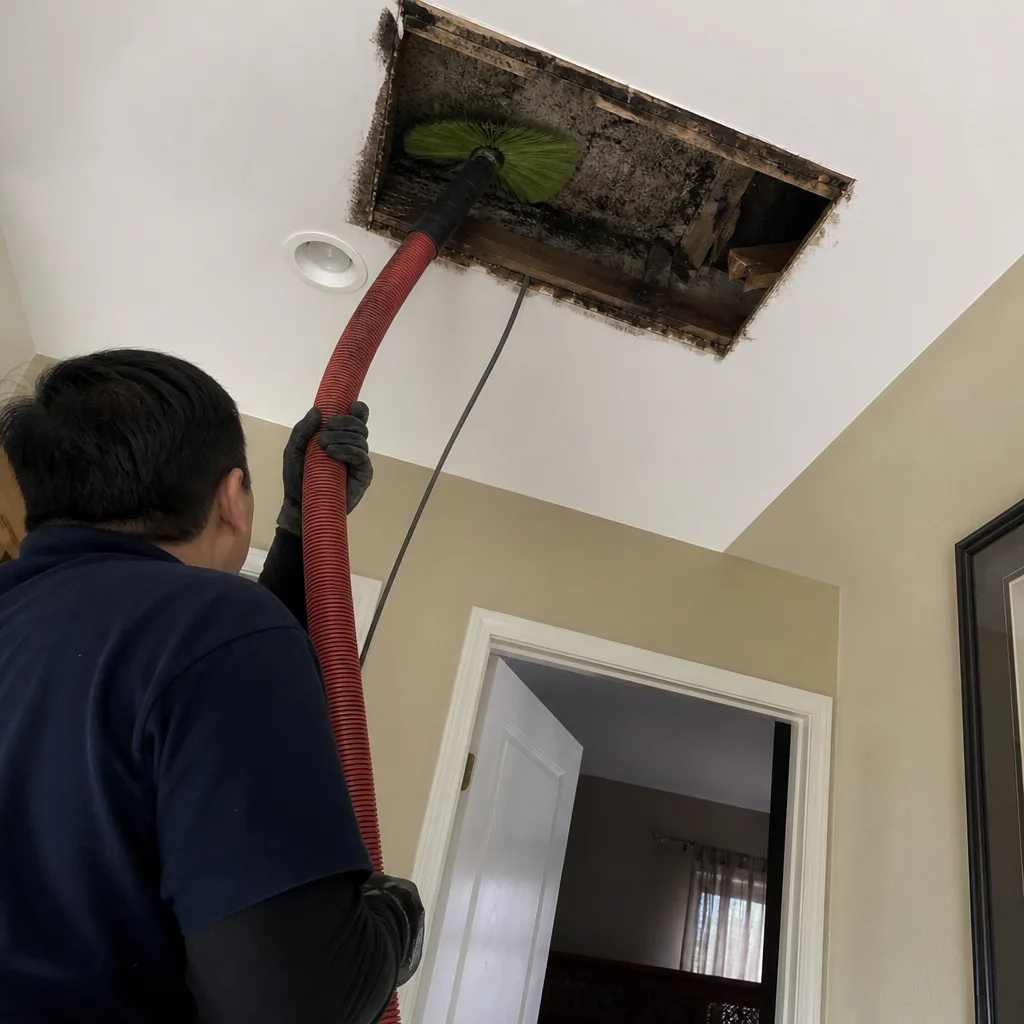 Before
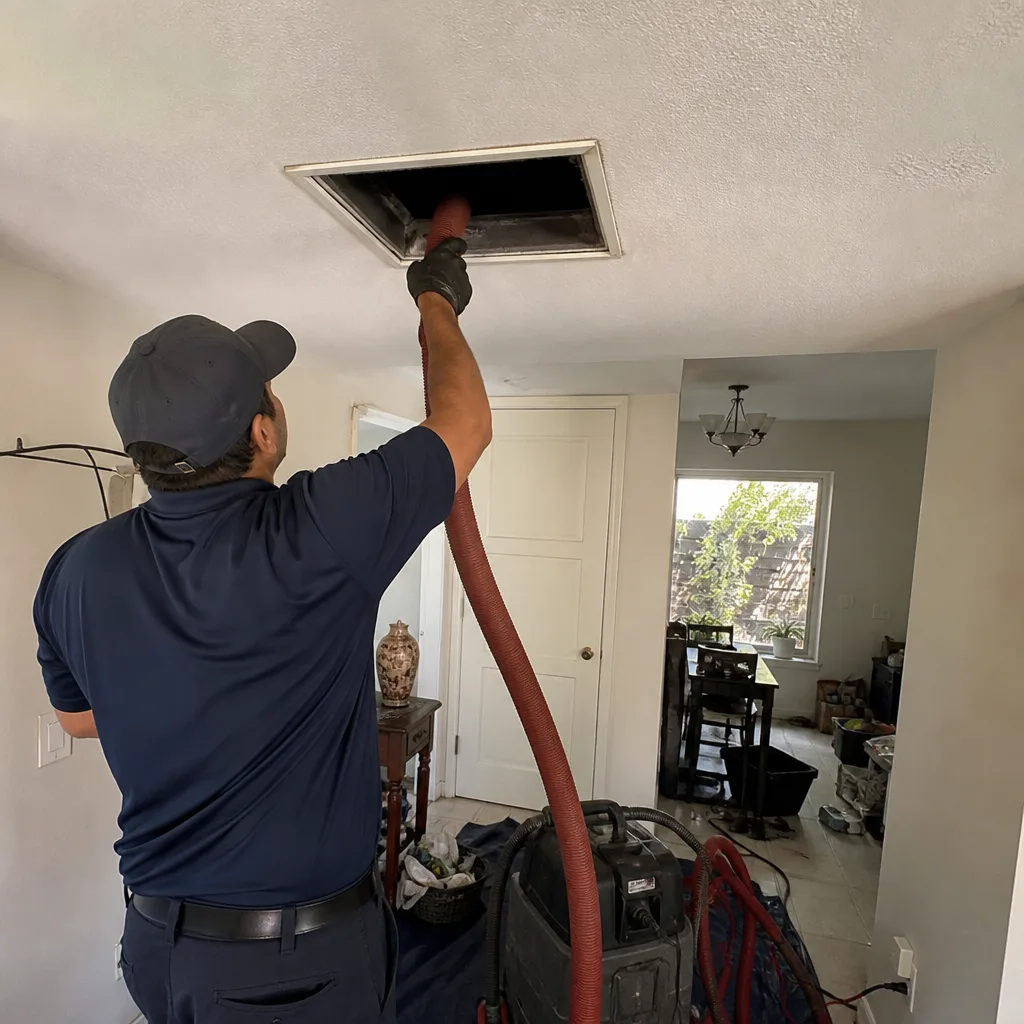 After
After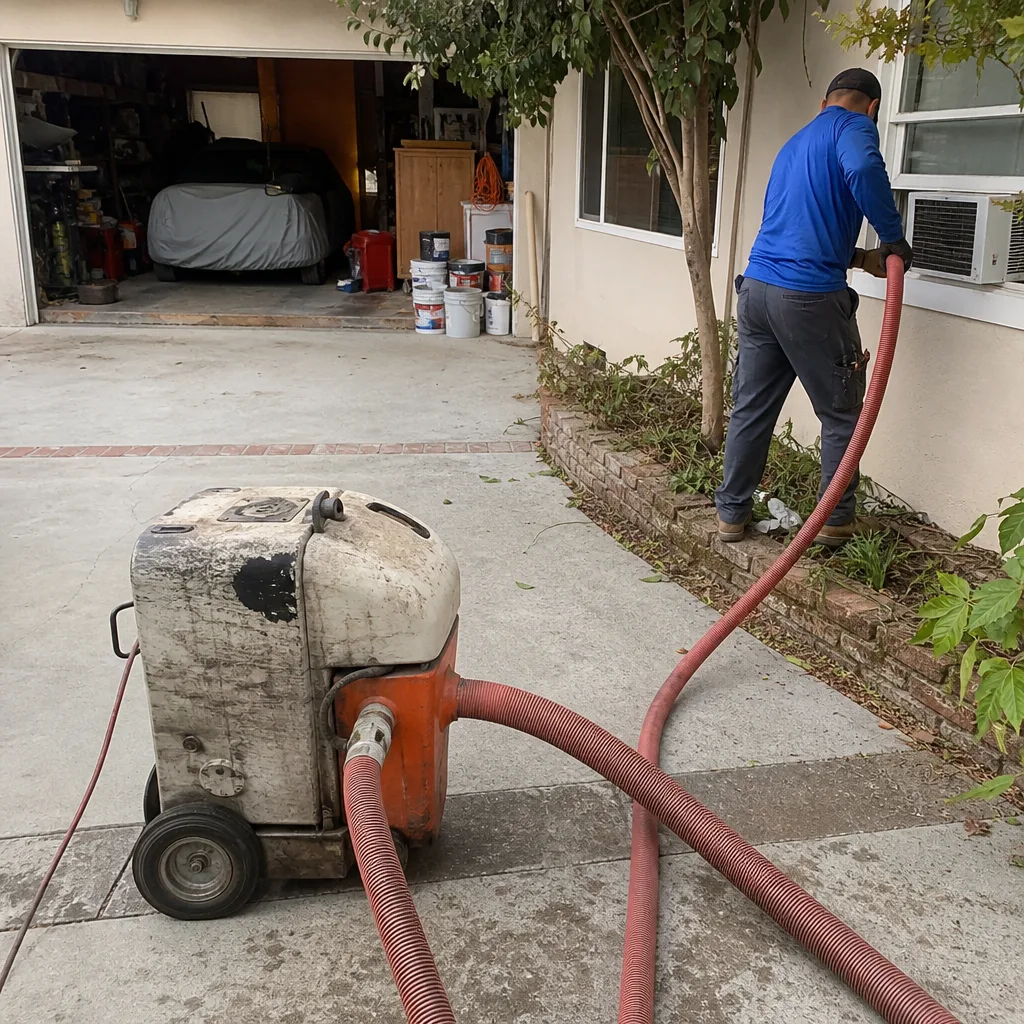 Before
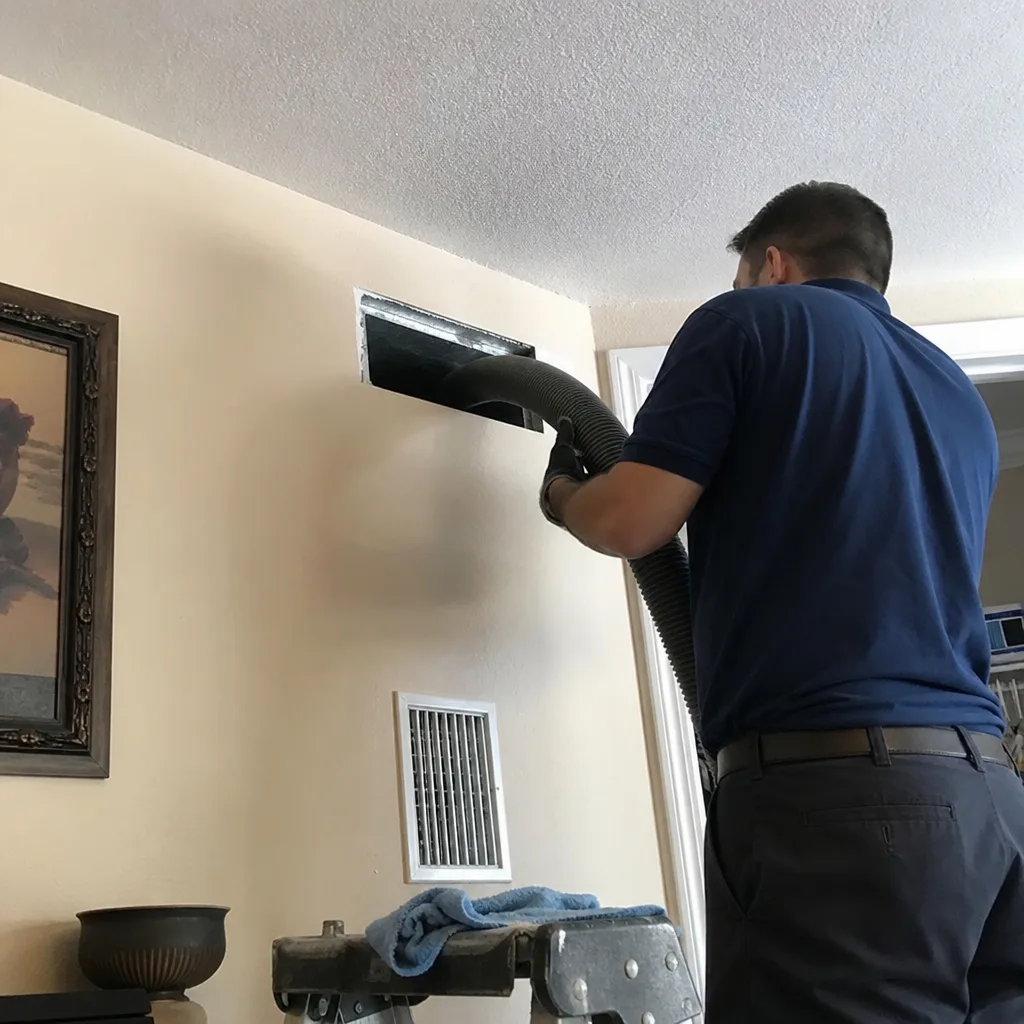 After
After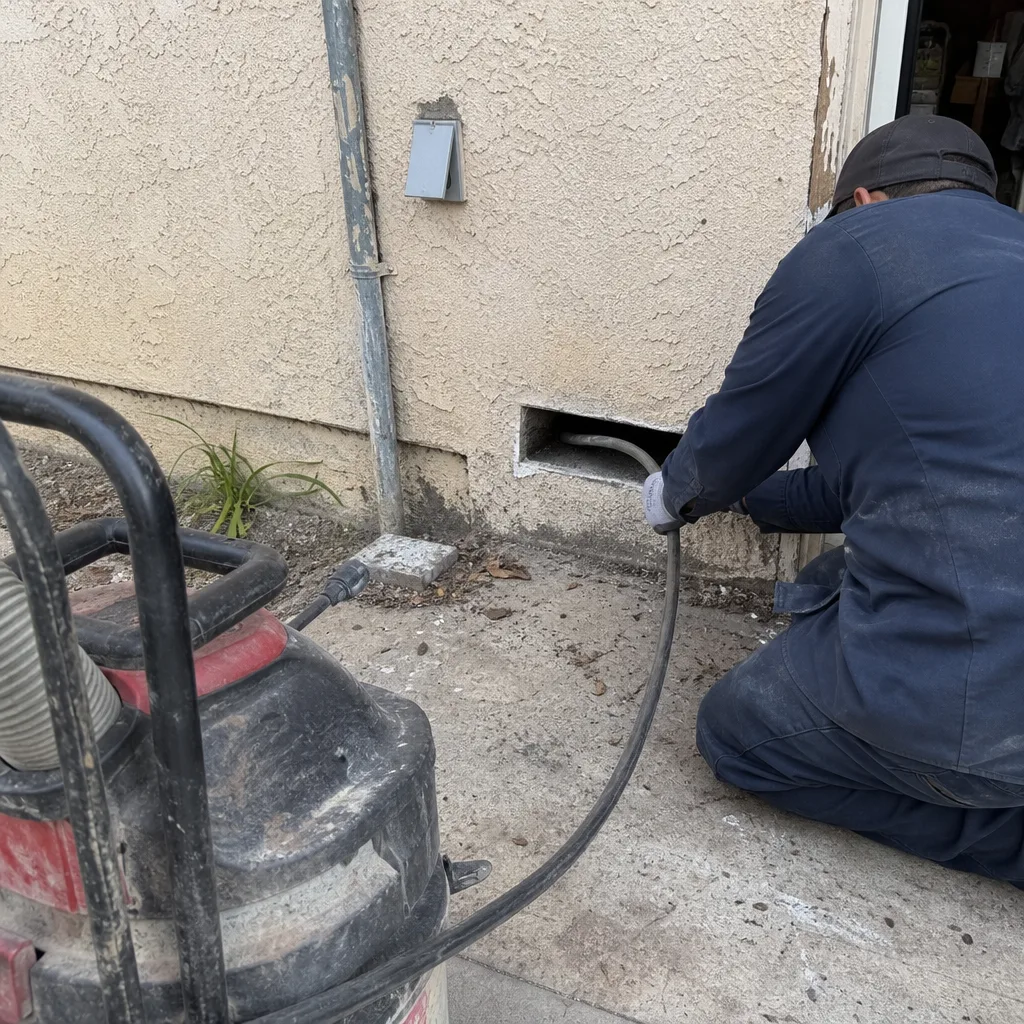 Before
 After
AfterWhen to Call a Professional
You should call a professional air duct cleaning company when you have visible contamination at the registers, unexplained dust accumulating within days of cleaning, a musty odor that worsens when the HVAC runs, or if you’ve completed major remodeling that generated drywall or sawdust inside the living space. You should also call after moving into a home where the previous occupants’ cleaning history is unknown, or if anyone in the household has respiratory sensitivities that worsen indoors. Homes near the Port of Long Beach or the 710 may need more frequent inspection simply because the particulate load is higher. If you’re in Long Beach and want a written estimate with a no-change price, Hollis Air Duct Long Beach offers free estimates and answers the phone with a live person, 24/7. Call (562) 548-7365 and we’ll take it from there.
Frequently Asked Questions
Air duct cleaning in Long Beach typically costs between $450 and $900 for a complete source removal clean on a single-family home. Condos run lower, larger homes run higher, and the range reflects full-system work including the supply ducts, return ducts, blower, and coil. If a quote falls well below that range, the company is almost certainly quoting a partial clean or planning to revise the price once the technician is inside. Call (562) 548-7365 for an exact written quote covering your specific system. Estimates are free.
Cheaper quotes come from companies cutting scope or planning a bait-and-switch. The short version: they’re not doing source removal, they’re not cleaning the coil and blower, or they’re pricing per vent and planning to inflate the total once the van is in the driveway. A legitimate source removal clean requires commercial negative-air equipment, trained technicians, and 3 to 6 hours of labor. That can’t be delivered for $99. A quote that’s dramatically below the $450 to $900 Long Beach market range isn’t a bargain. It’s a sign the job won’t be done properly, or won’t be done at the quoted price. Call (562) 548-7365 for a written quote that holds at the door.
You know because the company provides before-and-after photographs of the duct interiors, the coil, and the blower, plus a written post-cleaning report. Under the NADCA ACR Standard, documentation is part of the job. If a company can’t show you the cleaned surfaces, they didn’t verify the work. Any legitimate company in Long Beach will provide visual evidence as standard practice, not as an upsell. If you’re wondering how to trust what you were told, ask for the photos. A real company has them.
For most Long Beach homes, every 3 to 5 years. Coastal humidity and port particulate can shorten that window in neighborhoods near the ocean or the 710, where we see faster contaminant accumulation. Homes with pets, smokers, or recent remodeling should lean toward the 3-year mark. The honest answer is that the frequency depends on the system’s condition, not a calendar, which is why an inspection with photographic evidence tells you more than a rule of thumb ever will. If you haven’t had your system looked at in 3 or more years, call (562) 548-7365 and we’ll assess it honestly.
Yes, when the source is actually in the duct system. Coastal Long Beach homes accumulate fine particulate, salt dust, and dander that recirculates through the HVAC system when the fan runs. A source removal clean extracts that debris and improves what’s blowing through your registers. If the contamination source is elsewhere, like leaky windows or an unsealed building envelope, duct cleaning helps but won’t solve the whole problem. A good inspection tells you what’s actually happening. Call (562) 548-7365 to get a straight assessment.
When done by a trained technician using the correct equipment and methods, yes. Rotary brush systems and negative-air machines are designed to clean without damaging ductwork. The risk in Long Beach comes from untrained crews using oversized brushes or excessive air pressure on older fiberglass-lined ducts, common in homes built before 1985. That’s why the NADCA ACR Standard matters, and why you should ask what equipment the company uses and how they handle older systems. A legitimate company will answer directly.
The Bottom Line
Air duct cleaning in Long Beach is a legitimate service with a documented standard, a predictable price range, and a verifiable outcome. The problems in this industry come from companies that skip the standard, hide the price, and skip the documentation. Now you know what a legitimate job includes: source removal with negative-air containment, cleaning of the full system including the coil and blower, a written price that doesn’t move, and photographic proof the work was done. The coastal climate and port particulate in Long Beach make maintenance more important here than in most of Southern California, but more important isn’t the same as more frequent. Every home tells its own story through the condition of its ducts. If you want a written quote from a company that runs by the book from the first phone call to the final report, call (562) 548-7365. We’ll answer, and we’ll tell you what your system actually needs.
Written by Roy Castellanos, Owner at Hollis Air Duct Long Beach, serving Long Beach since 2004.