
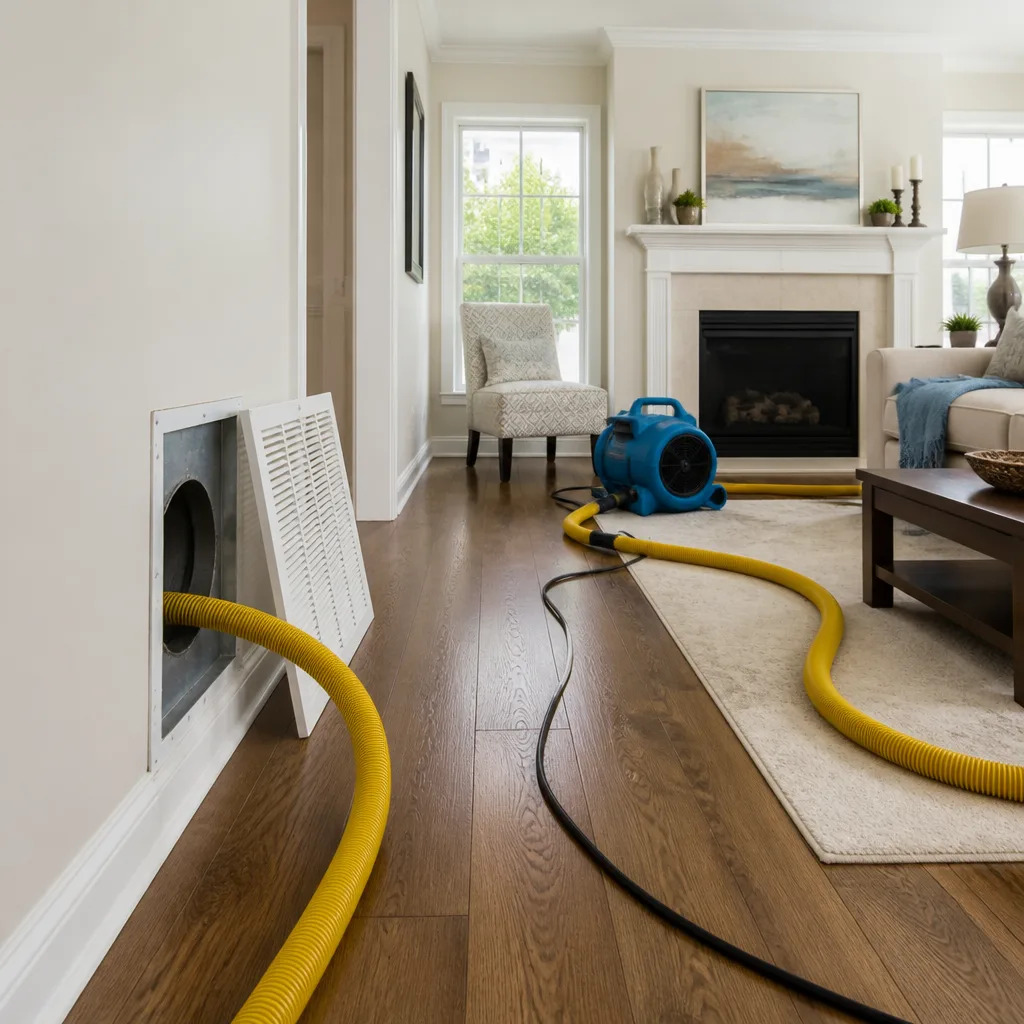
 Whole-home duct cleaning
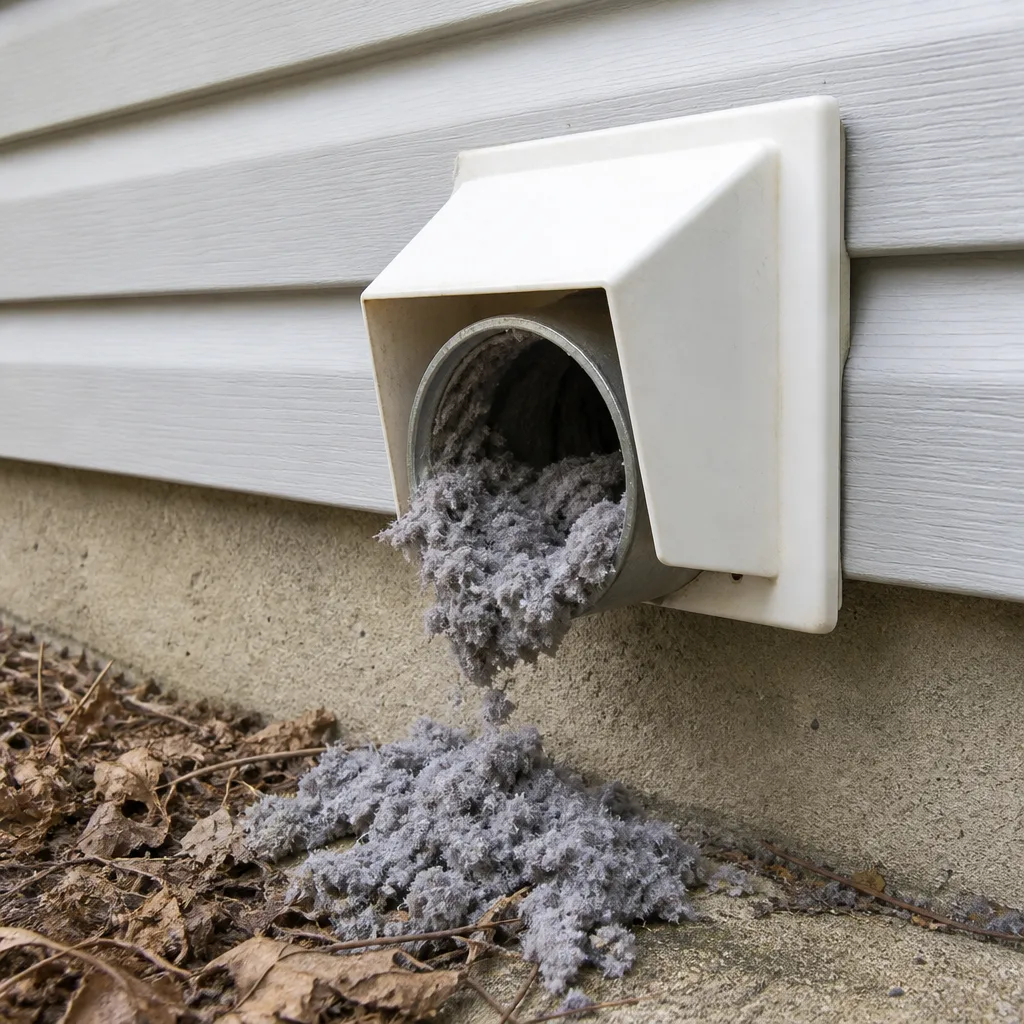 Dryer vent cleaning
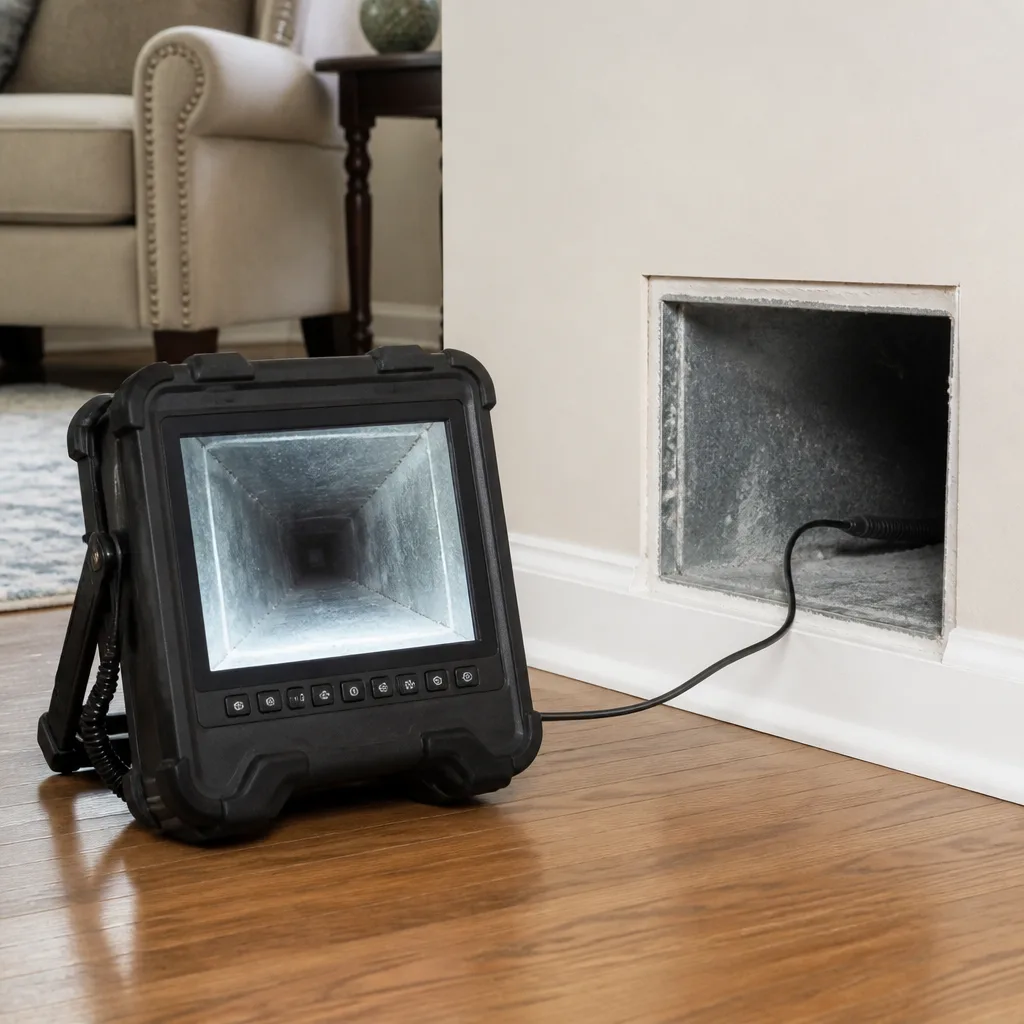 Camera inspection
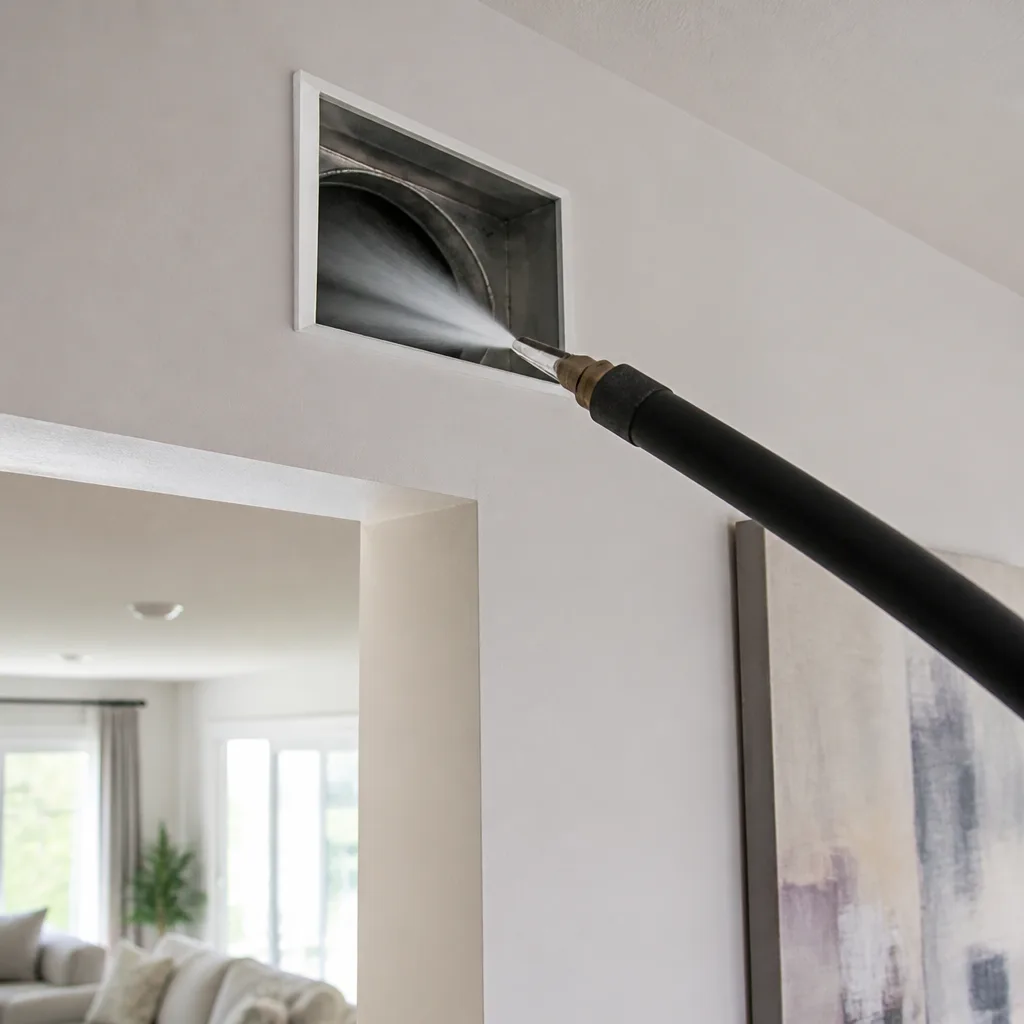 Sanitizing & deodorizing
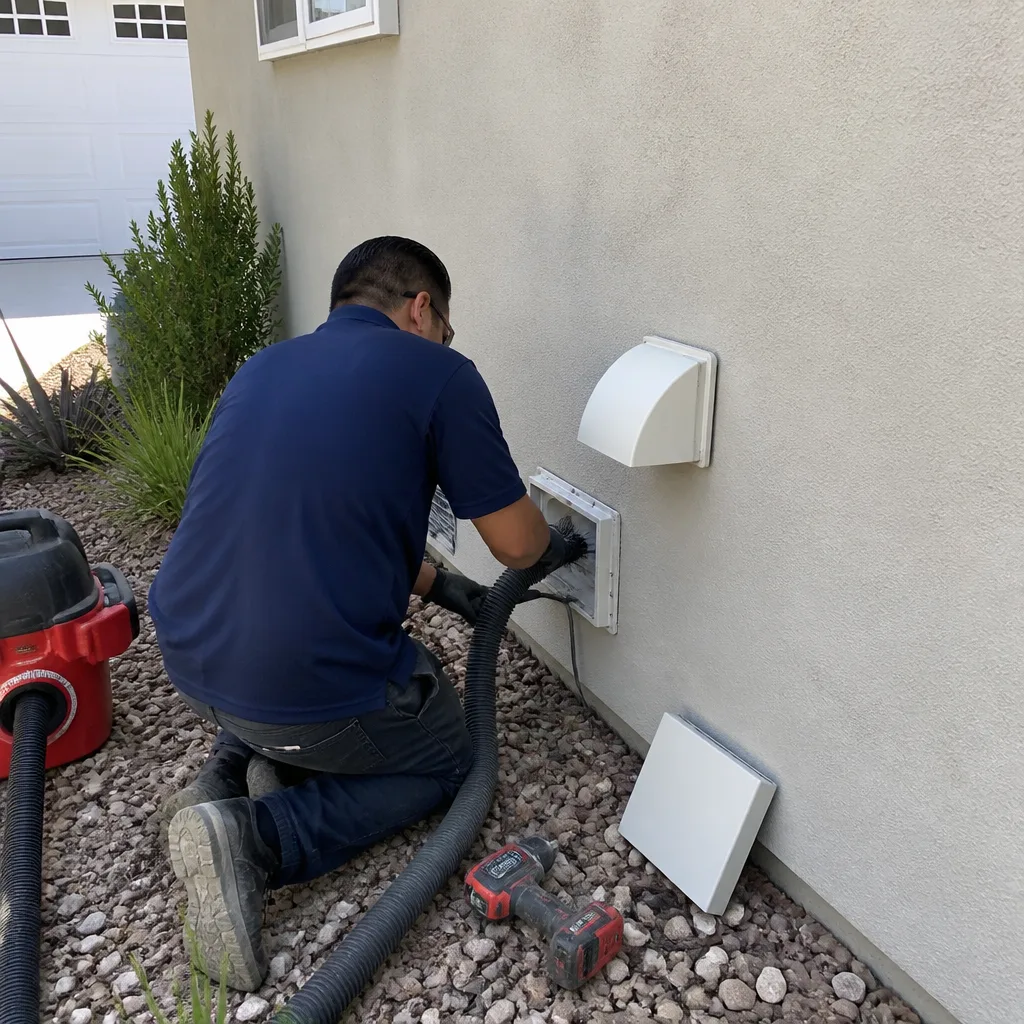
Whole-system duct and dryer vent check with before-and-after photos - you see exactly what came out of your vents
That "$99 whole-house special" is a bait ad - the real number appears once they are in your hallway, or the "clean" is a shop-vac at the register. We photograph the inside of your ducts before and after instead.
Honeywell Duct Sealing & Repair: The Long Beach Owner’s Guide
We stock and install Honeywell duct sealing and repair parts across Long Beach, with most jobs running between $285 and $640 installed depending on the size of the system and how much of the existing ductwork needs attention. We carry Honeywell-compatible mastic, tape, and sealant systems on our trucks, so most repairs happen in one visit. The typical call starts the same way: a homeowner notices a room that won’t hold temperature, a musty smell that comes and goes with the AC, or dust settling on surfaces a day after they cleaned.
What they’re actually dealing with is air leaving the ductwork before it reaches the register. Honeywell makes the sealing materials and filtration components that fix that, but the failure is usually in the duct itself, not the Honeywell product. That’s where we come in.
Which Honeywell Models This Applies To
Honeywell doesn’t make ductwork in the traditional sense. What they make is the sealing and filtration layer: duct mastic, foil tape rated for HVAC use, and the filter media that goes inside Honeywell air cleaners like the F100, F300, and the newer F500 electronic air cleaner line. If you have a Honeywell F-series air cleaner mounted to your furnace or air handler in Long Beach, the sealing around that unit is a common failure point, and it needs to be matched correctly.
Here’s the compatibility gotcha most people don’t know: Honeywell F100 and F300 units use different gasket and sealing configurations depending on whether they’re mounted horizontally or vertically. A gasket that works fine in a horizontal install in a crawlspace under a Wrigley bungalow will leak in a vertical closet install in a Naples condo. That’s why we check the model label and mounting orientation before quoting anything. OEM Honeywell gaskets and seals are our default recommendation because the tolerances matter. For basic duct mastic and foil tape, quality aftermarket equivalents from brands we stock, like Rotobrush and Nikro, perform just as well at a lower price. We’ll tell you which one fits the job, and the price is written down before we start.
Styles & brands we work with
Signs Your Honeywell Duct Sealing & Repair Is Failing
- Dust buildup around the air cleaner housing. When the seal between the Honeywell F-series unit and the duct fails, conditioned air bypasses the filter entirely. You’ll see a gray film on the cabinet door and surrounding ductwork.
- A room that’s always five degrees off. Leaking duct joints before the final registers mean the air you paid to condition is ending up in the attic or wall cavity instead. Long Beach’s salty coastal air accelerates tape adhesive failure, especially in homes near the water.
- AC runs longer than it used to. The system is working harder to hit the same thermostat setting because it’s losing air through separated joints and cracked mastic. That’s not a filter issue; that’s a sealing issue.
- Whistling or hissing near the air handler. That’s air being pulled in or pushed out through a gap where the Honeywell cabinet meets the trunk line. Small gap, big pressure difference.
- Sheetrock dust or insulation fibers on the registers. A breach in the return side pulls attic air into the system. If the duct sealing has failed upstream, whatever is in your attic in Long Beach, and there’s plenty, is coming through.
See the difference
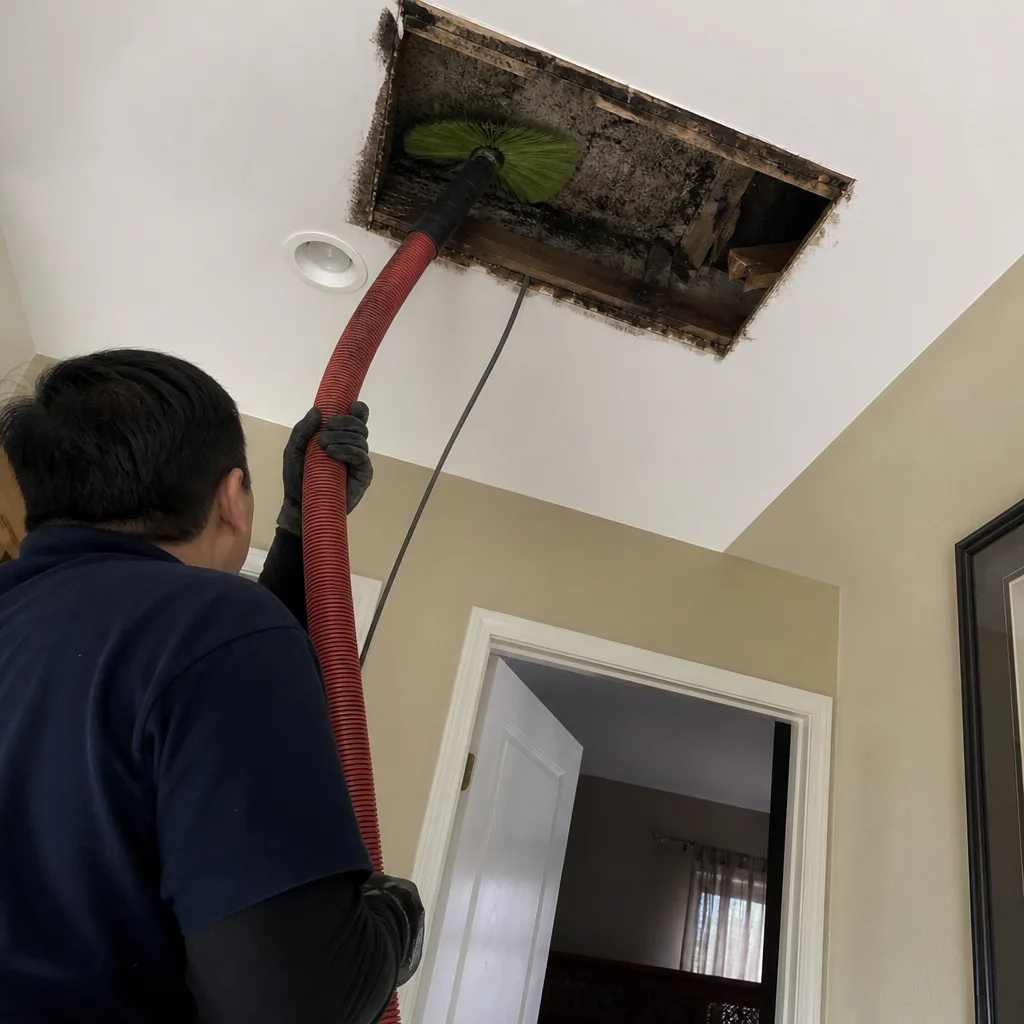 Before
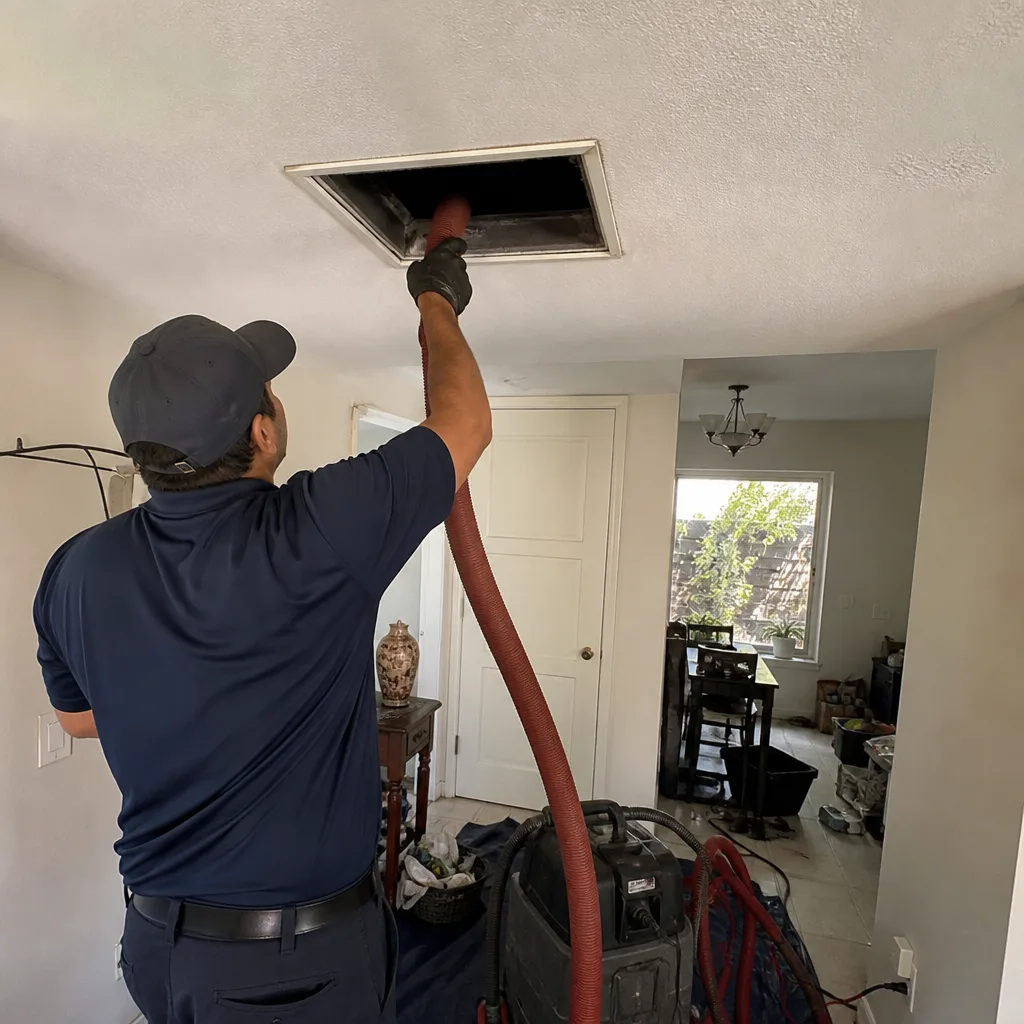 After
After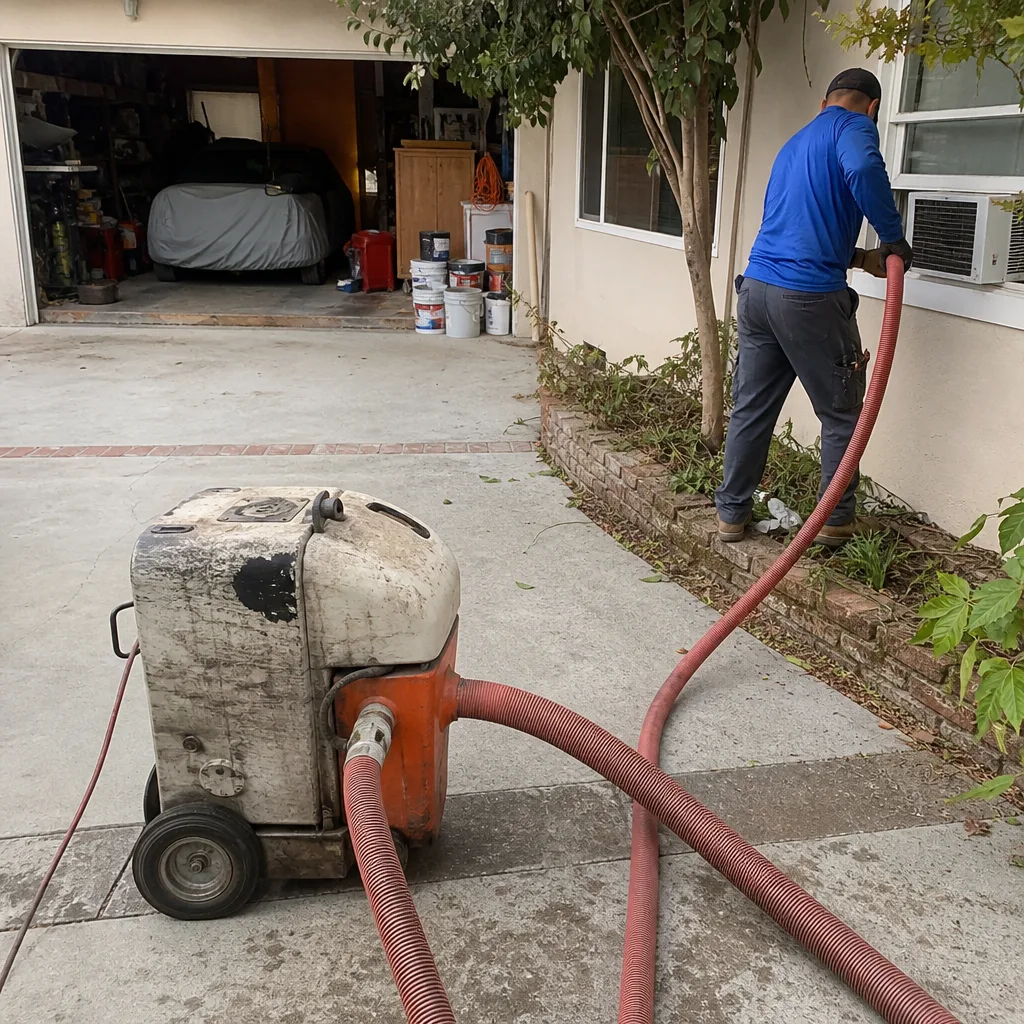 Before
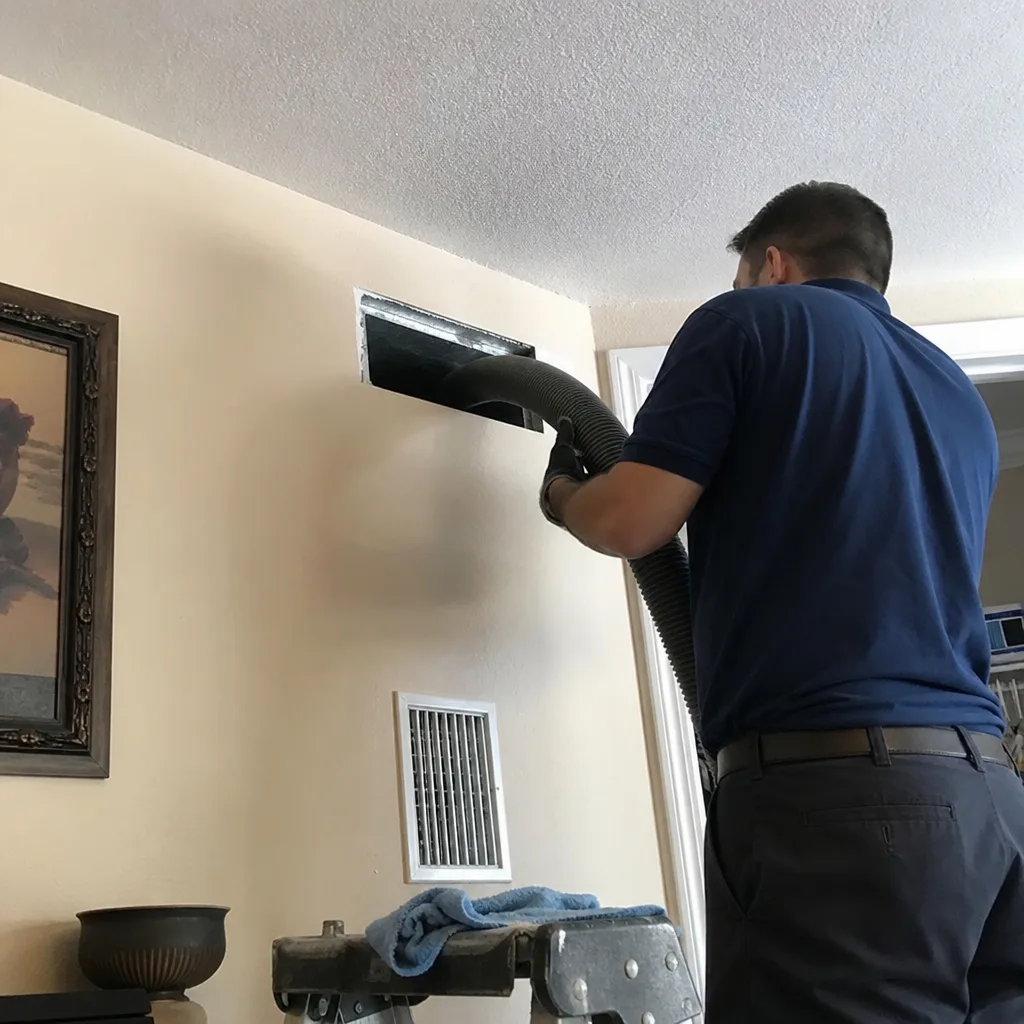 After
After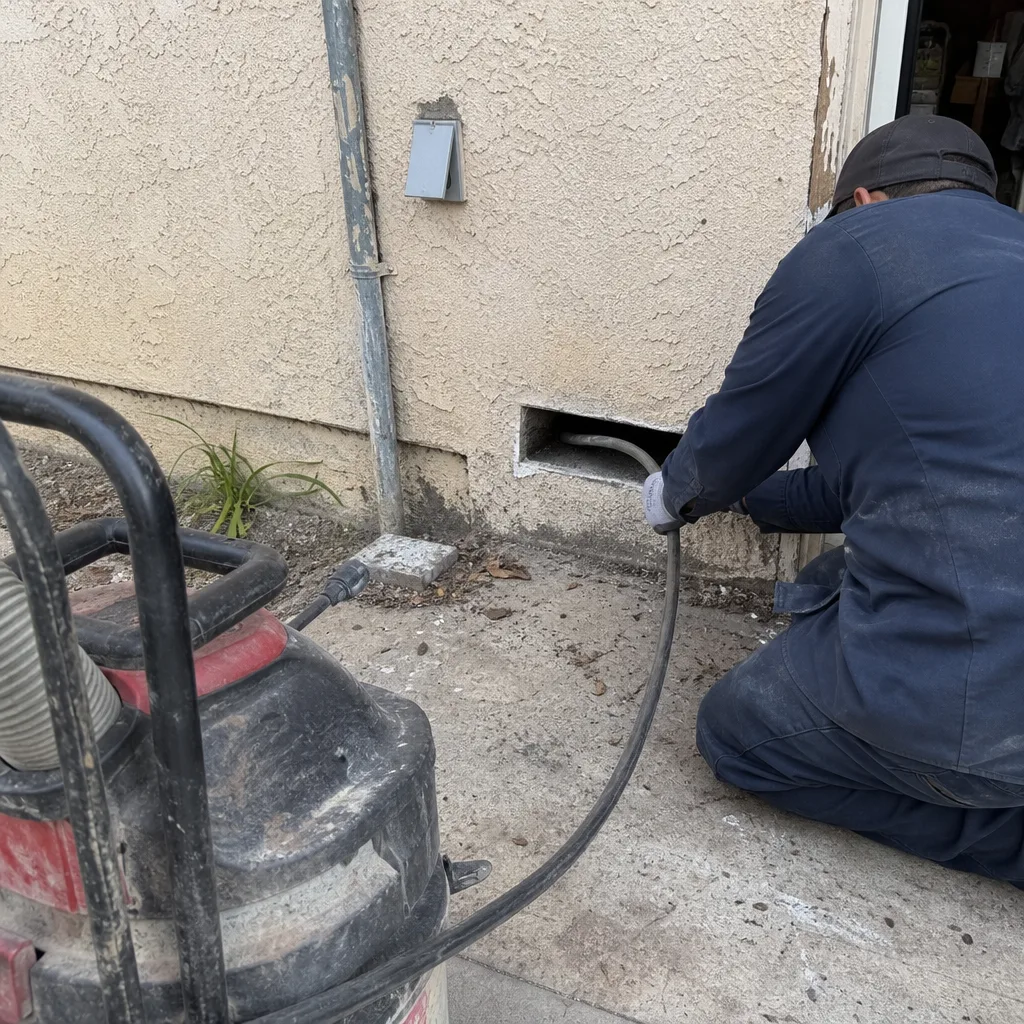 Before
 After
AfterReplacement Cost & What’s Included
In Long Beach, plan on $285 to $450 for a single Honeywell air cleaner reseal: new gasket, fresh mastic on the joints, and a pressure test to confirm the leak is closed. If the sealing failure has gone on long enough to damage the ductwork itself, the range moves to $400 to $640 because we’re replacing a section, not just resealing it. Full system resealing for larger homes in neighborhoods like Los Altos or Bixby Knolls can run higher, and we’ll give you the exact number in writing before any work begins.
Every job includes the parts, the labor, cleanup, and before-and-after photos of your own system. If the seal fails within a year, the 365-Day Done Right Promise means we come back and fix it at no charge. That includes a free second visit. No pro-rating, no arguing about who touched what last.
DIY or Call Us?
You can absolutely check the basics yourself: run your hand along the visible duct joints and feel for air movement, look for cracked or peeling mastic, and note any gaps around the Honeywell cabinet. What you shouldn’t do is climb into an attic in a Long Beach summer to re-mastic ductwork yourself. Attic temperatures here hit 140 degrees by June, and resealing a system properly means working on your knees, often near electrical lines and always in tight quarters. If it’s a return-side leak, you also need to know what’s upstream before you seal it; sealing a return that’s pulling from a contaminated space makes things worse, not better.
Roy Castellanos learned this trade through the HVAC program at East Los Angeles College, and he’s spent years working every duct configuration Long Beach throws at a crew: flex, rigid, old asbestos-wrapped trunks in 1950s builds near the water. We’ve resealed systems from retrofits near the Queen Mary waterfront to older tract homes in Wrigley. If you want to know what’s actually wrong with your Honeywell sealing and what it costs to fix, call (562) 548-7365. We’ll tell you straight, and the price won’t move when we show up.
FAQs
Properly applied mastic and foil tape on clean ductwork typically lasts 10 to 15 years in our climate. Coastal humidity and salt air near Alamitos Bay and Belmont Shore can cut that to 8 to 10 years if the original work was marginal. We use commercial-grade sealants rated for exactly these conditions, and our work is covered for a full year, but the materials themselves are built for the long run. Call (562) 548-7365 to have your existing sealing inspected.
Yes, and that’s usually the better call. Unless the duct metal itself is rusted through or collapsed, resealing with fresh mastic and new gaskets costs less and lasts just as long as replacement. We’ll show you photos of the actual damage before you decide anything.
Most single air cleaner reseals take 60 to 90 minutes once we’re on site. A full system reseal for a typical Long Beach home runs 3 to 5 hours depending on access and how many joints are involved. We price the job in writing before we start, so the time on site doesn’t change the number.
We stock Honeywell-compatible gaskets, mastic, and foil tape on our trucks, along with sealing materials for Lennox, Trane, and Carrier systems. If your Honeywell unit needs a specific OEM part we don’t have on hand, we can usually source it same week. You never have to order anything yourself.
If you’re seeing dust, smelling musty air, or watching your energy bill climb for no reason, the sealing around your Honeywell system is the first place we look. Clean ducts aren’t a luxury; they’re just what the system needs to do its job. Call (562) 548-7365 for a free estimate, and we’ll give you a written price before any work starts.
Written by Roy Castellanos, Owner, Hollis Air Duct Long Beach at Hollis Air Duct Long Beach, serving Long Beach and nearby areas.