
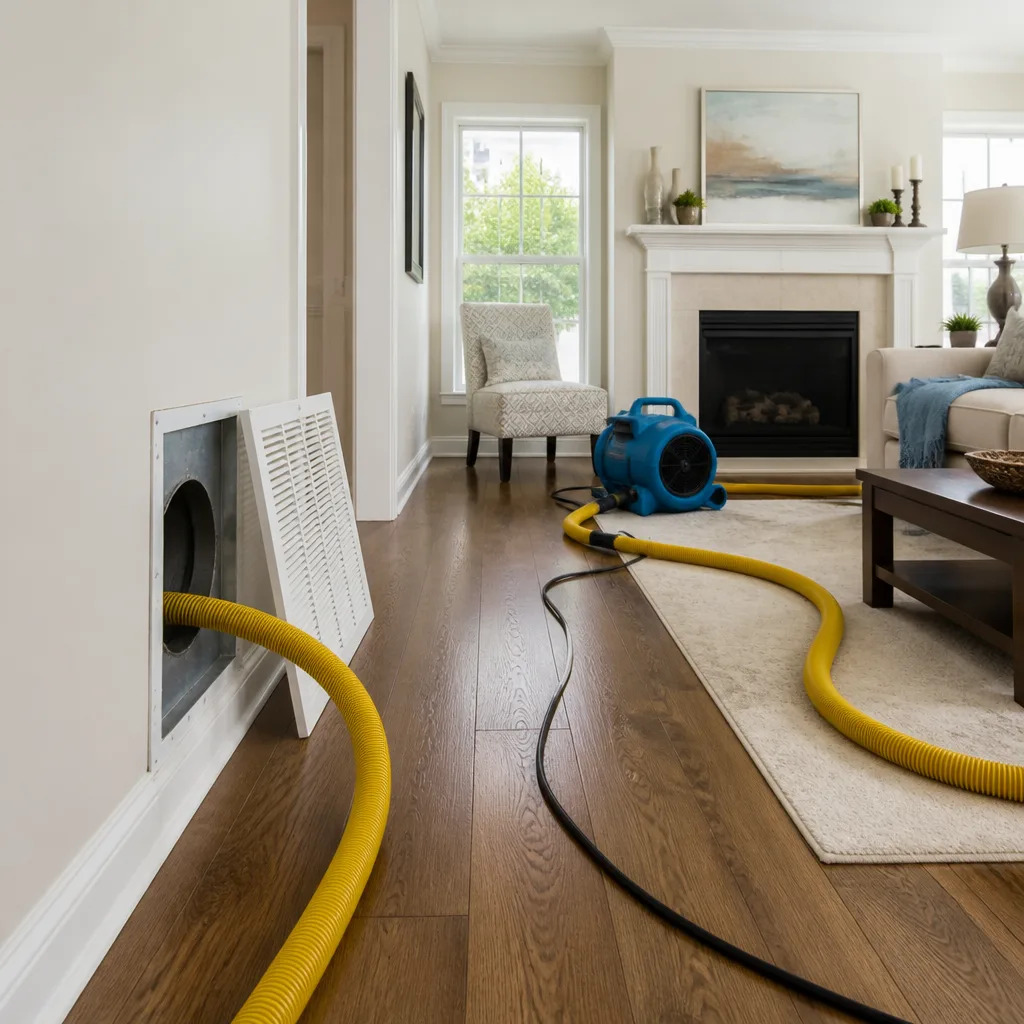
 Whole-home duct cleaning
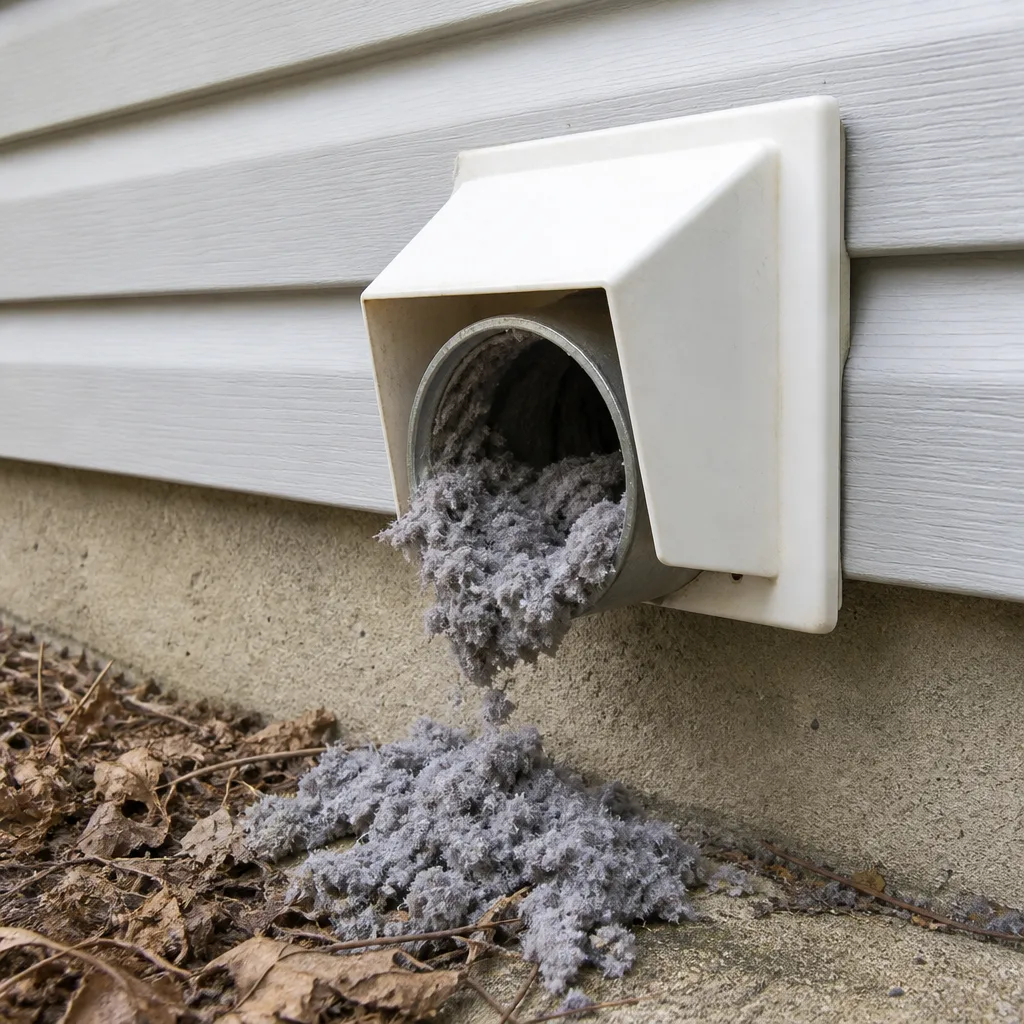 Dryer vent cleaning
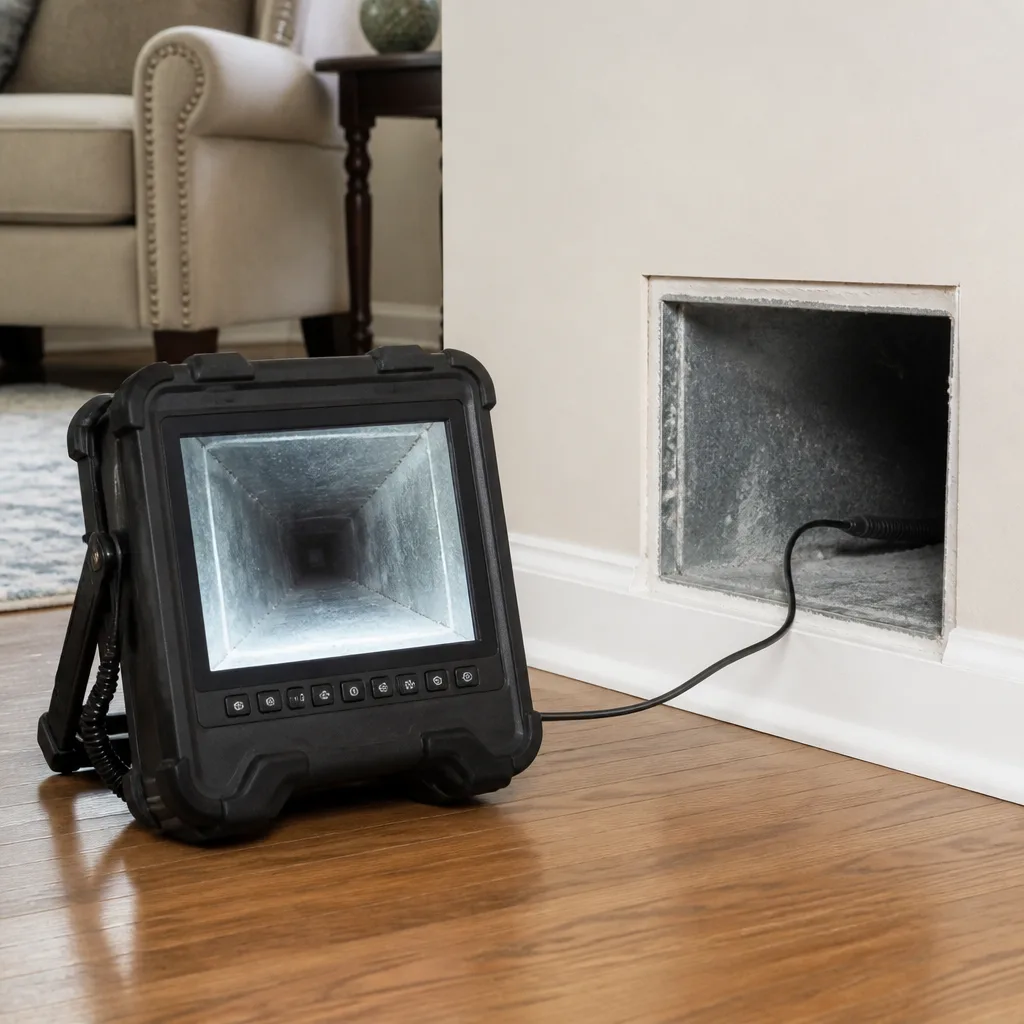 Camera inspection
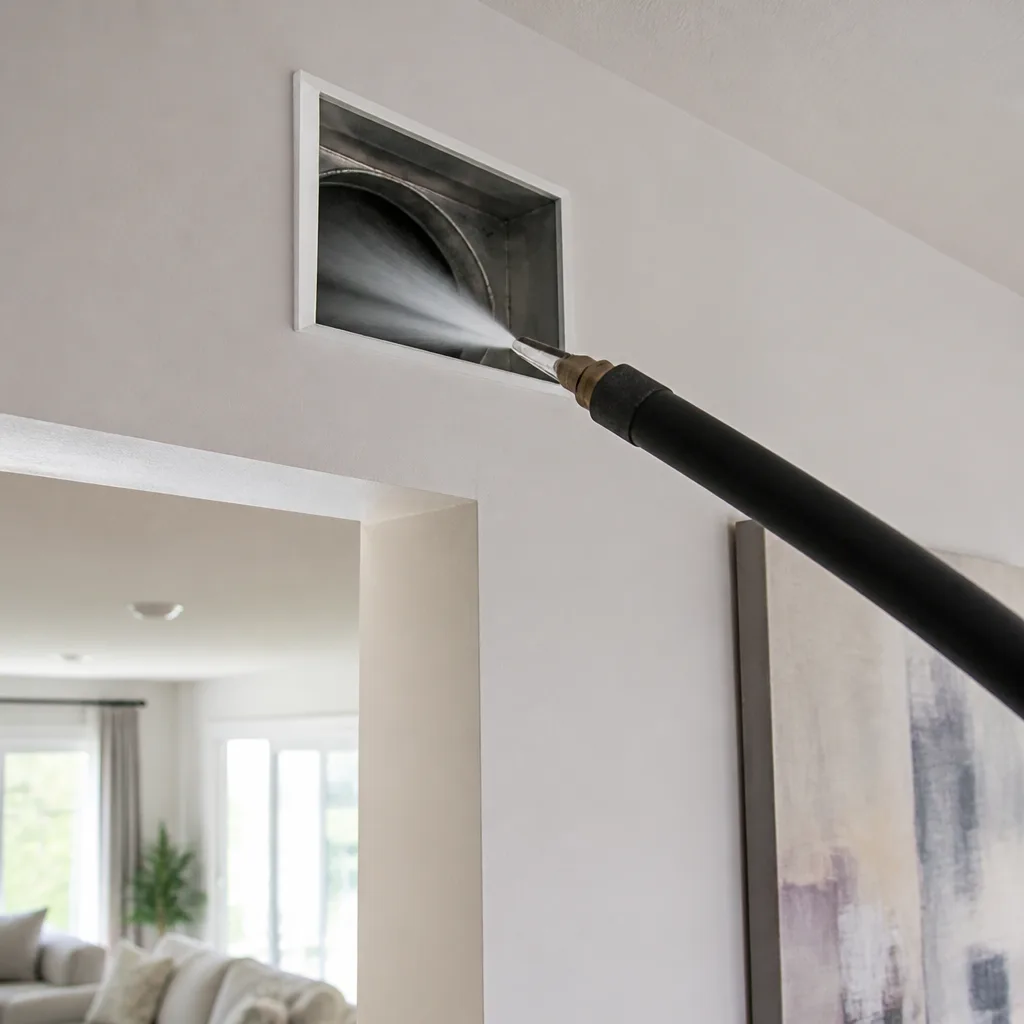 Sanitizing & deodorizing
Whole-system duct and dryer vent check with before-and-after photos - you see exactly what came out of your vents
That "$99 whole-house special" is a bait ad - the real number appears once they are in your hallway, or the "clean" is a shop-vac at the register. We photograph the inside of your ducts before and after instead.
Abatement Technologies Duct Sealing & Repair: The Long Beach Owner’s Guide
We stock and install Abatement Technologies-compatible duct sealing materials and repair kits for Long Beach homes, with most sealing jobs running between $450 and $1,200 installed depending on how much of the duct run needs work. If you’ve got failing tape, separated joints, or a sealing collar that’s let go, we can usually get to it the same week. Most homeowners discover the problem the same way: a room that never cools right, a spike in the electric bill, or visible dust collecting around a ceiling register no matter how often they clean.
Here’s what this page covers: matching the right sealing product to your Abatement Technologies system, what fails first on these setups, honest installed pricing for Long Beach, and a straight answer on whether any of this is DIY territory. We’re an independent service provider here in Long Beach, not a factory arm of Abatement Technologies, so we’ll tell you when an OEM part matters and when a quality equivalent does the same job for less.
Which Abatement Technologies Models This Applies To
Abatement Technologies builds negative-air and air-scrubbing equipment along with the duct and sealing components that support those systems. Where we see it in Long Beach homes it’s usually tied to HEPA-filtered supply runs, whole-house ventilation retrofits, or a dedicated clean-air loop feeding a media cabinet. The sealing components show up on their Predator, HEPA-AIRE, and Air Rhino series, though older residential installs sometimes have unlabeled Abatement parts mixed into a Carrier or Lennox trunk line from a mid-2000s renovation.
Identifying the right sealing part comes down to three things. First, the collar diameter: most Abatement residential runs are 6-inch or 8-inch take-offs, but we’ve measured 10-inch on some Wrigley tract homes retrofitted in the early 2010s. Second, the material type: their factory sealing is a foil-backed butyl tape on flexible connectors and a brush-on mastic at metal-to-metal joints. Third, the label: genuine Abatement parts carry a stamped part number starting with “AT” followed by four digits on the flange or gasket edge.
Here’s where the OEM-versus-aftermarket decision matters. For the sealing tape and gasket collars, a good UL 181-rated aftermarket equivalent from a brand like Hardcast or Nashua performs identically and costs 30 to 40 percent less than the Abatement-labeled version. For replacement flanges and damper assemblies specific to Abatement pressure boxes, we recommend staying OEM: the bolt pattern and gasket seat aren’t universal, and aftermarket fits will leak. We stock both on the truck and match by measurement, not guesswork.
Styles & brands we work with
Signs Your Abatement Technologies Duct Sealing & Repair Is Failing
- Dust piling around one specific register. A separated joint or failed tape pulls attic or crawlspace air into the duct downstream of the filter. The register closest to the leak gets the worst of it.
- A room that’s always five degrees off. Sealed systems are balanced. When a sealing collar loosens, air stalls in one branch and the thermostat never sees the real temperature in that room.
- Whistling or a faint hiss near the air handler. Air escaping around a flange sounds like a leaky tire. If you hear it at the plenum, the issue is almost always the seal between the Abatement unit and the trunk line.
- Electric bill climbing with the same usage habits. Leaks force the blower to run longer to satisfy the thermostat. Long Beach humidity makes this worse because leaked air is usually unconditioned crawlspace air.
- Visible peeling or cracked tape at joints in an unfinished area. Foil-backed butyl tape dries out and separates after 8 to 12 years, especially in the salty, humid air near the Queen Mary waterfront. Once the edge lifts, the joint is technically unsealed even if it looks intact.
See the difference
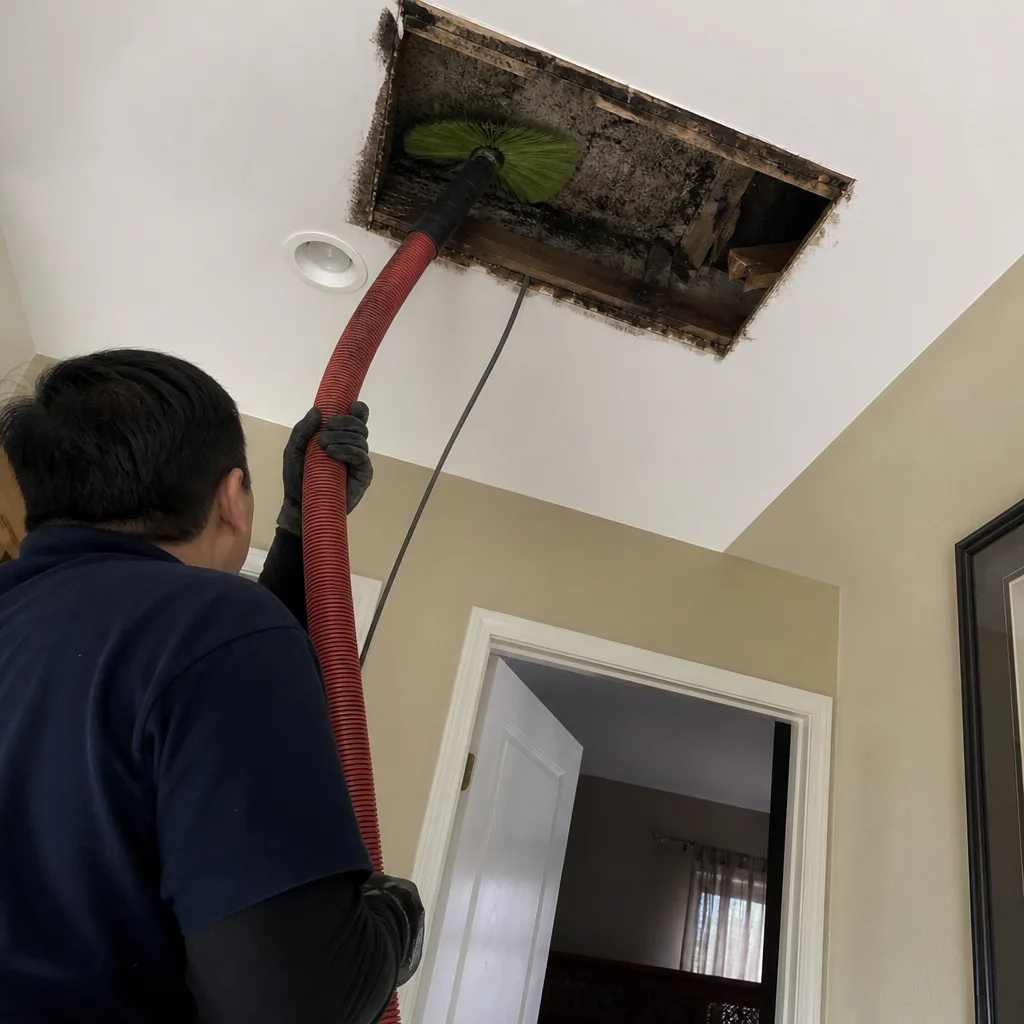 Before
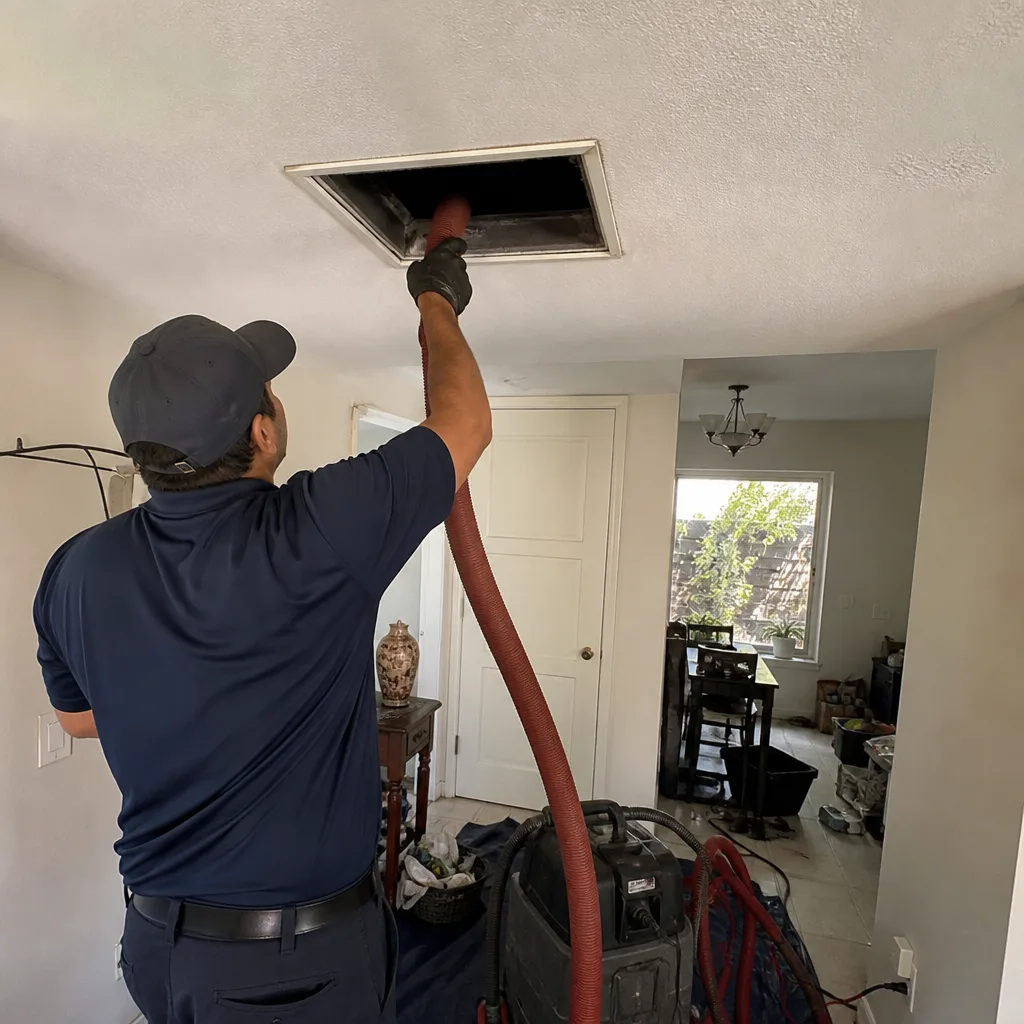 After
After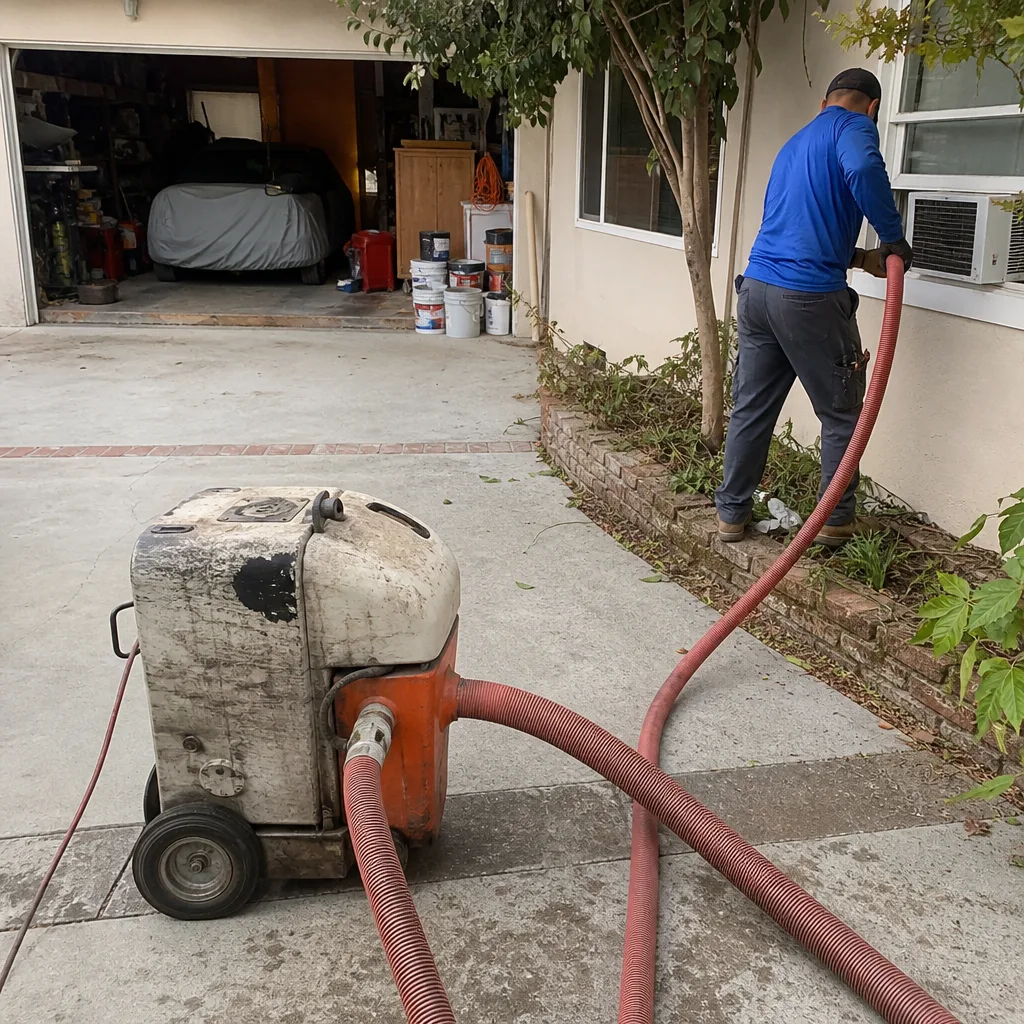 Before
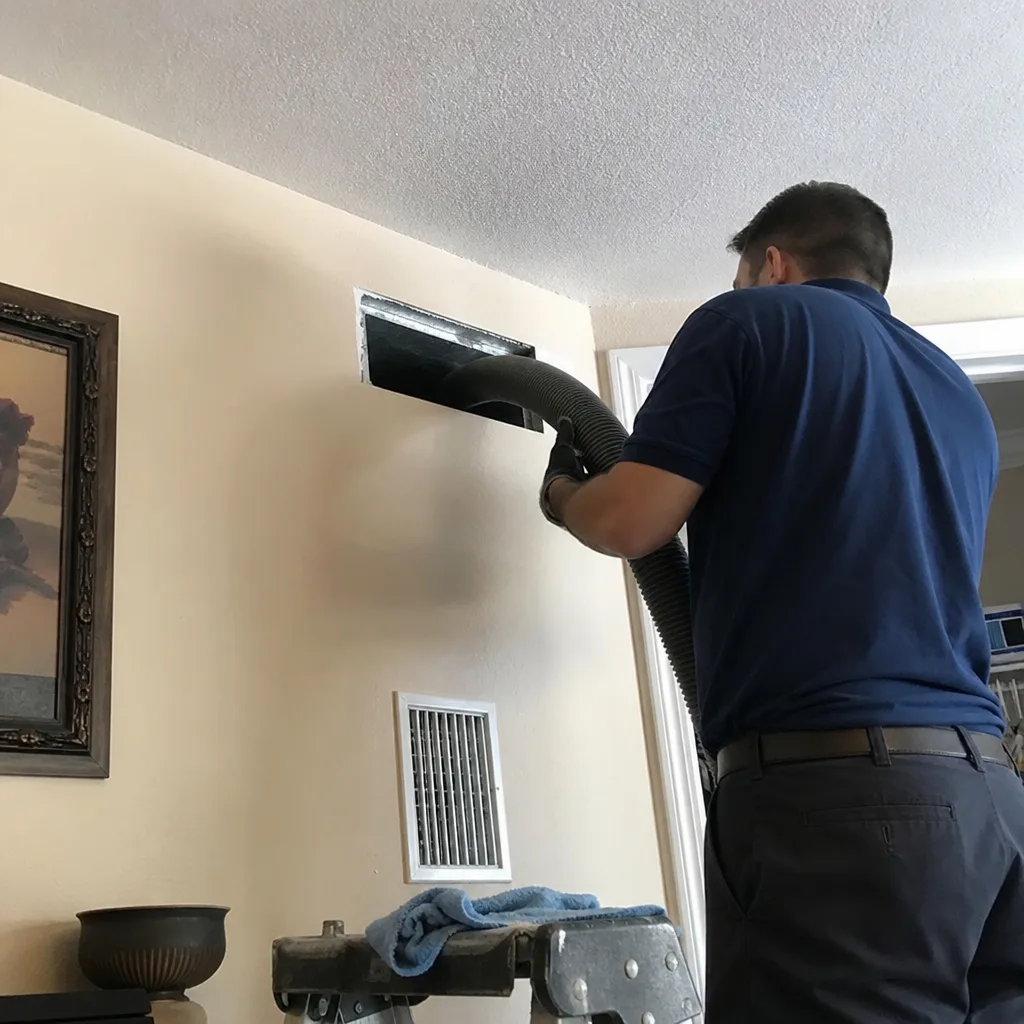 After
After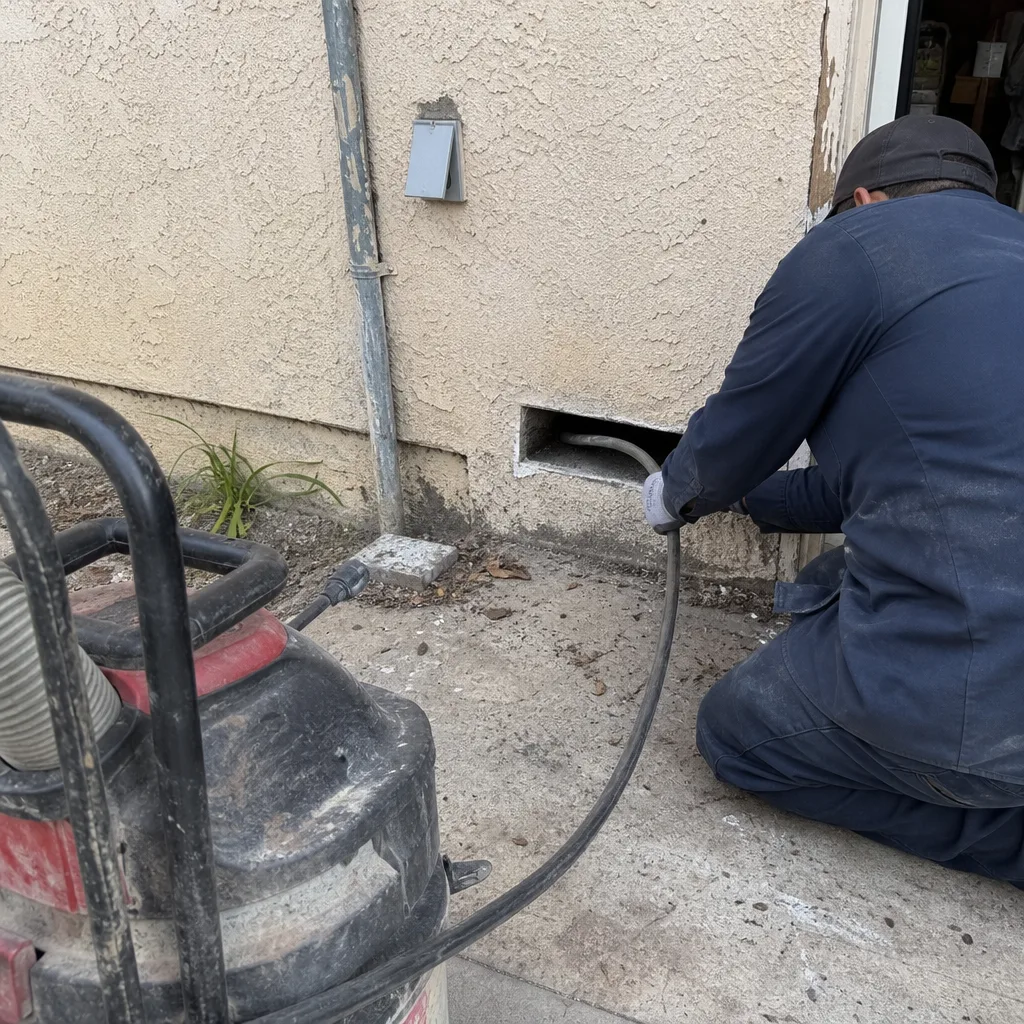 Before
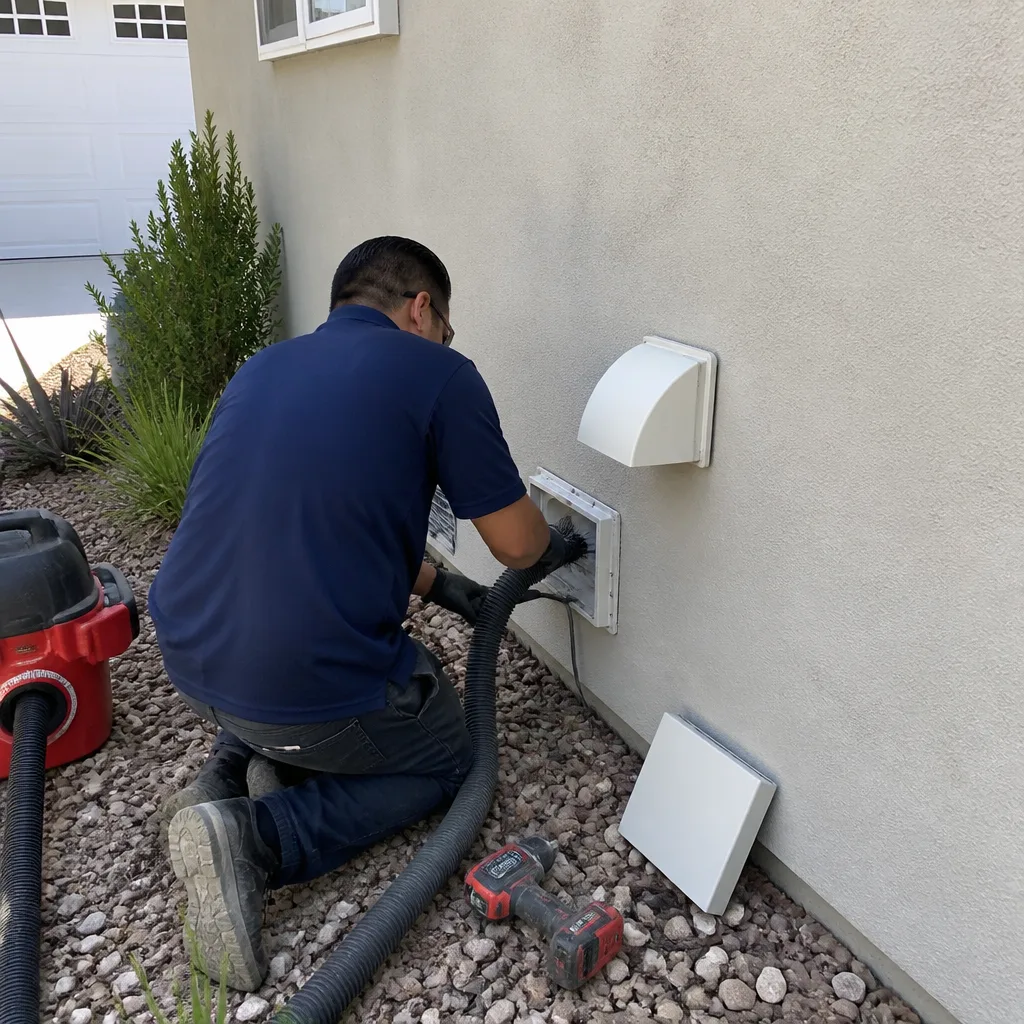 After
AfterReplacement Cost & What’s Included
Installed duct sealing and repair on an Abatement Technologies system in Long Beach runs $450 to $1,200 for a typical partial re-seal. Here’s the breakdown:
- Inspection and leak measurement: $95, waived if you proceed with the sealing work the same visit.
- Re-taping and sealing 3 to 5 accessible joints: $350 to $600 including labor and UL 181-rated materials.
- Replacing a sealing collar or flange on an Abatement pressure box: $225 to $450 including the OEM part and mastic.
- Full trunk-line re-seal (longer runs, multiple take-offs): $750 to $1,200 depending on linear feet and accessibility.
Every quote is written before work starts and doesn’t move at the door. The parts and labor are covered by our 365-Day Done Right Promise: if a sealed joint fails within a year, we return and make it right at no charge. That includes a free second visit, not a negotiated callback.
DIY or Call Us?
Inspection is fair game. You can pull a register, look for separated tape, and check the flange bolts on any visible Abatement collar with a wrench if they’re accessible and not under tension. What you shouldn’t do is start peeling old mastic off galvanized duct, guessing at tape adhesion in a hot attic, or re-sealing a plenum connection without measuring the leak first. Duct sealing done wrong traps moisture inside the system, and mastic applied over degrading tape seals the problem in, not out.
If what you’ve found is a loose collar, cracked tape at a take-off, or a fitting that’s slid apart, call us at (562) 548-7365. Roy Castellanos has been in these attics since he came out of the HVAC program at East Los Angeles College, and he’ll tell you straight whether you’re looking at a $400 re-tape or a bigger repair before anything gets taken apart.
FAQs
Factory sealing on Abatement Technologies components typically holds for 8 to 12 years in Long Beach’s salt-air and humidity environment before tape edges lift or mastic cracks. Systems near the coast, like around Naples or Belmont Shore, trend toward the lower end. After a professional re-seal with UL 181 materials, expect a similar service life, and our work is guaranteed in writing for one full year under the 365-Day Done Right Promise.
Yes, and in most Long Beach homes that’s exactly what we do. Individual joints, collars, and flange connections can be re-taped, re-masticed, or re-collared without replacing any duct run. Full replacement only makes sense when the metal itself has rusted through or the duct has collapsed. Call (562) 548-7365 and we’ll tell you which situation you have before quoting anything.
A typical Abatement Technologies sealing repair covering 3 to 5 joints takes 2 to 3 hours on site, start to finish. Jobs requiring a replacement collar or flange add about 30 minutes. Trunk-line re-seals on longer runs can run 4 to 5 hours. We arrive inside the quoted window and leave the site clean, per The Garrison Code.
We stock UL 181 foil-backed butyl tape, brush-on mastic, common 6-inch and 8-inch replacement collars, and OEM Abatement flange assemblies on our service vehicles. If we need a less common size, like a 10-inch flange for an older retrofit, our Long Beach supplier has it next day. We also carry parts for Lennox, Trane, and Carrier systems, since mixed-brand duct runs are common in older homes here.
Clean ducts aren’t a luxury – they’re just what the system needs to do its job. If your Abatement Technologies sealing has failed, call us at (562) 548-7365 for a written quote and a straight answer on what it’ll take to fix.
Written by Roy Castellanos, Owner, Hollis Air Duct Long Beach at Hollis Air Duct Long Beach, serving Long Beach and nearby areas.