
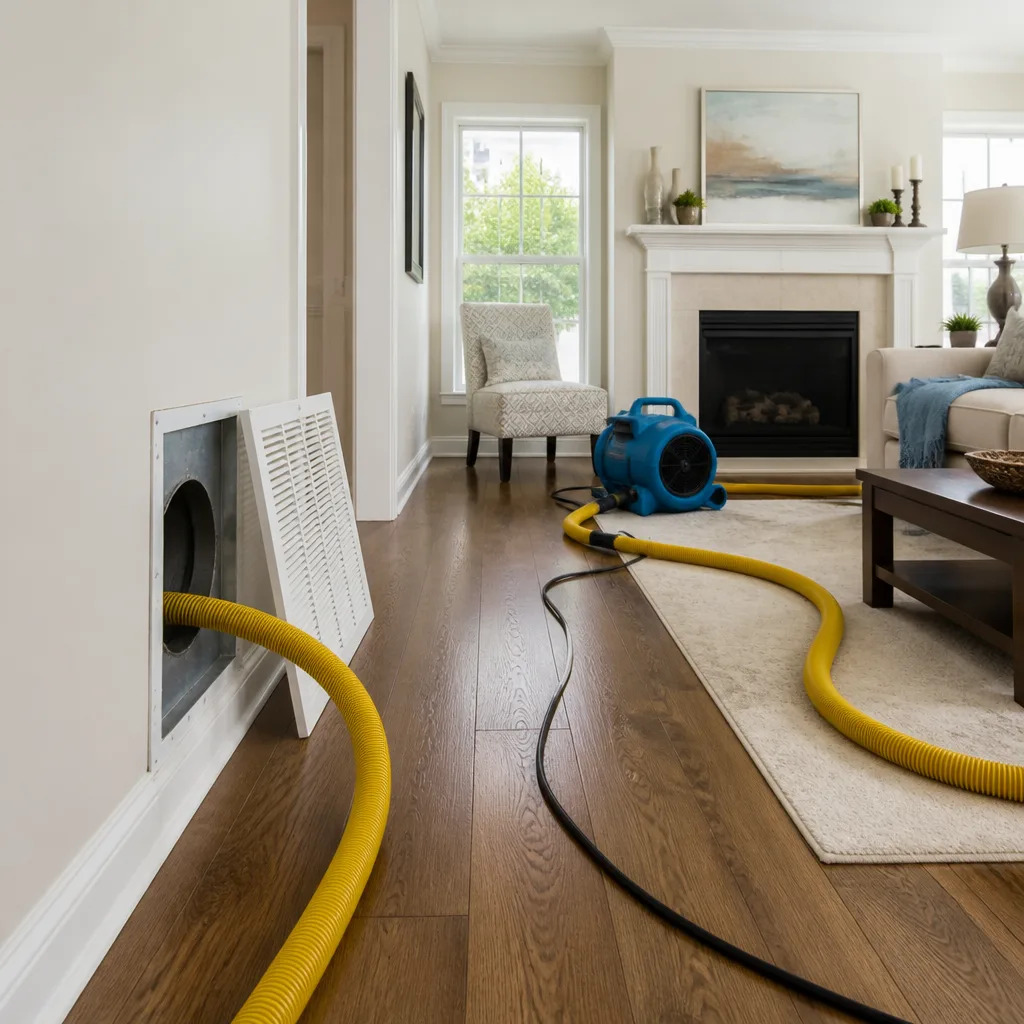
 Whole-home duct cleaning
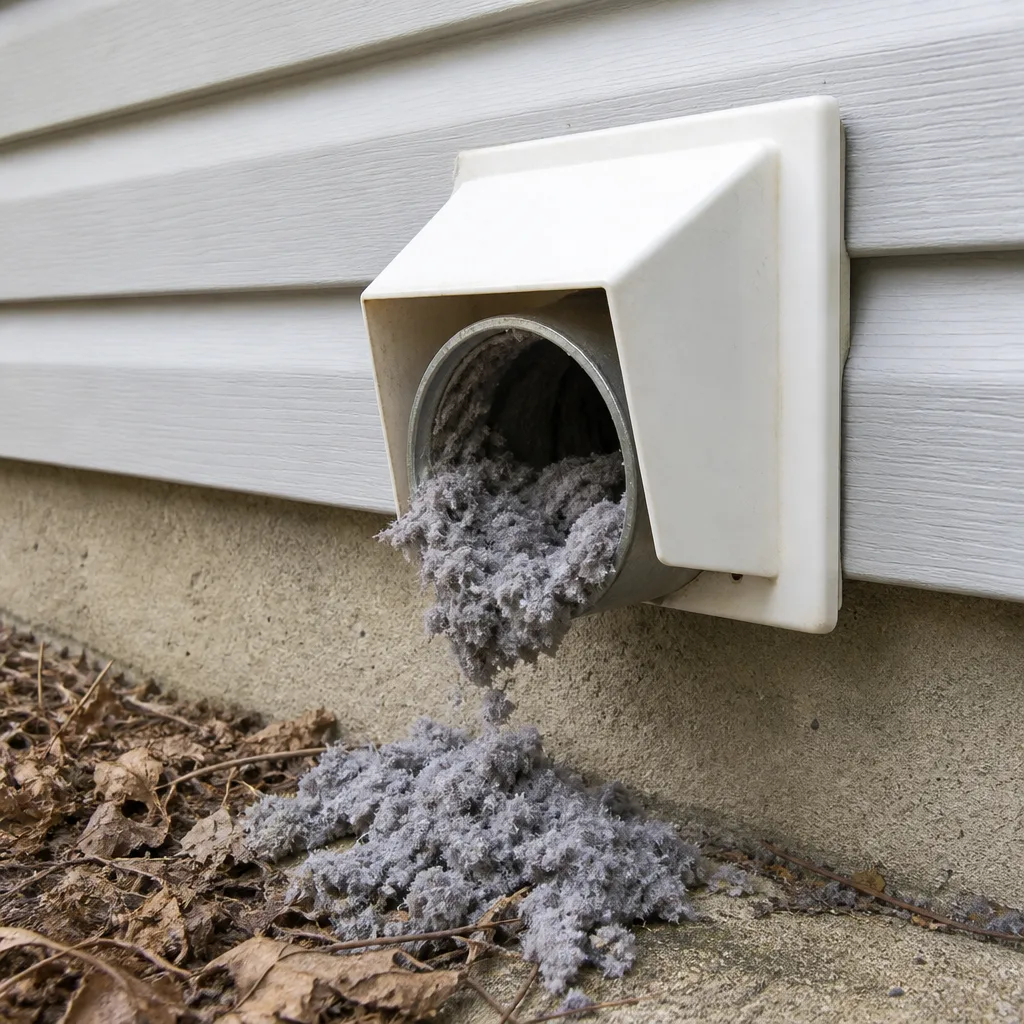 Dryer vent cleaning
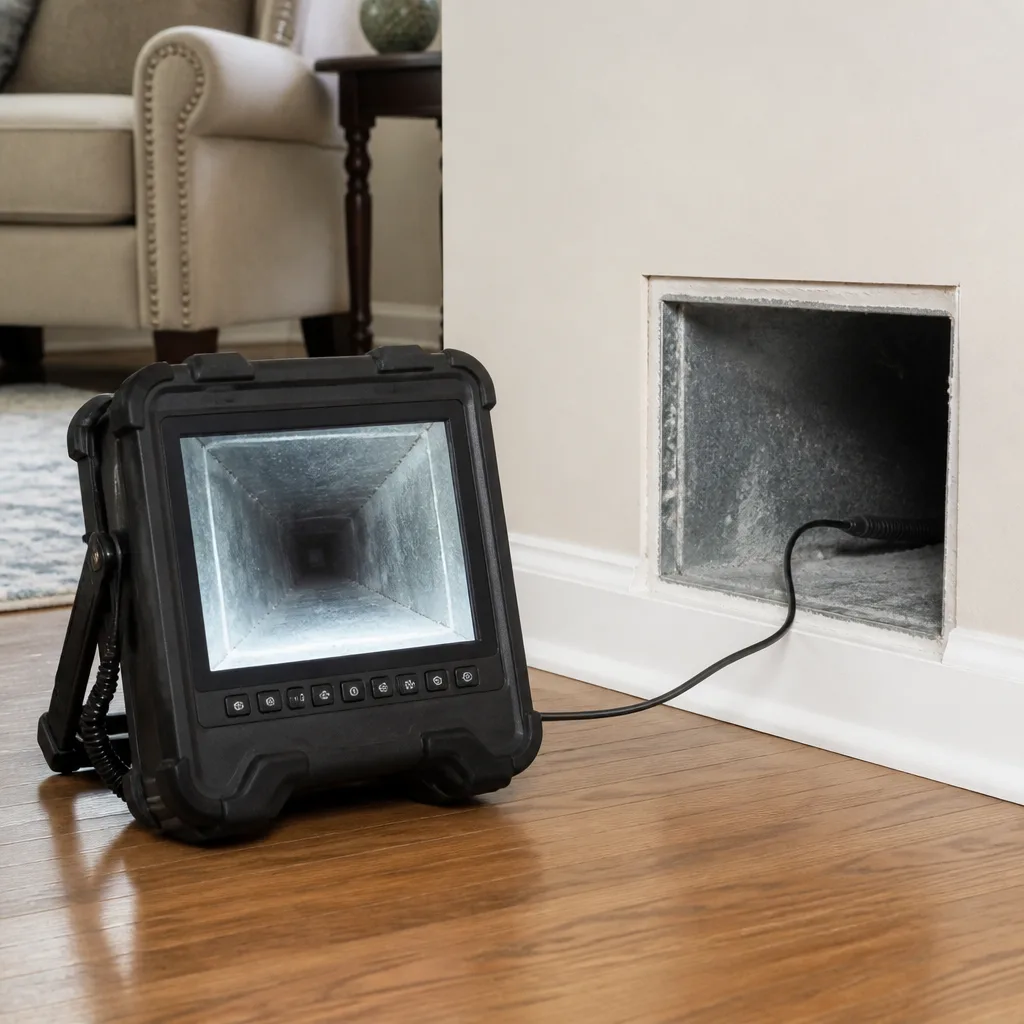 Camera inspection
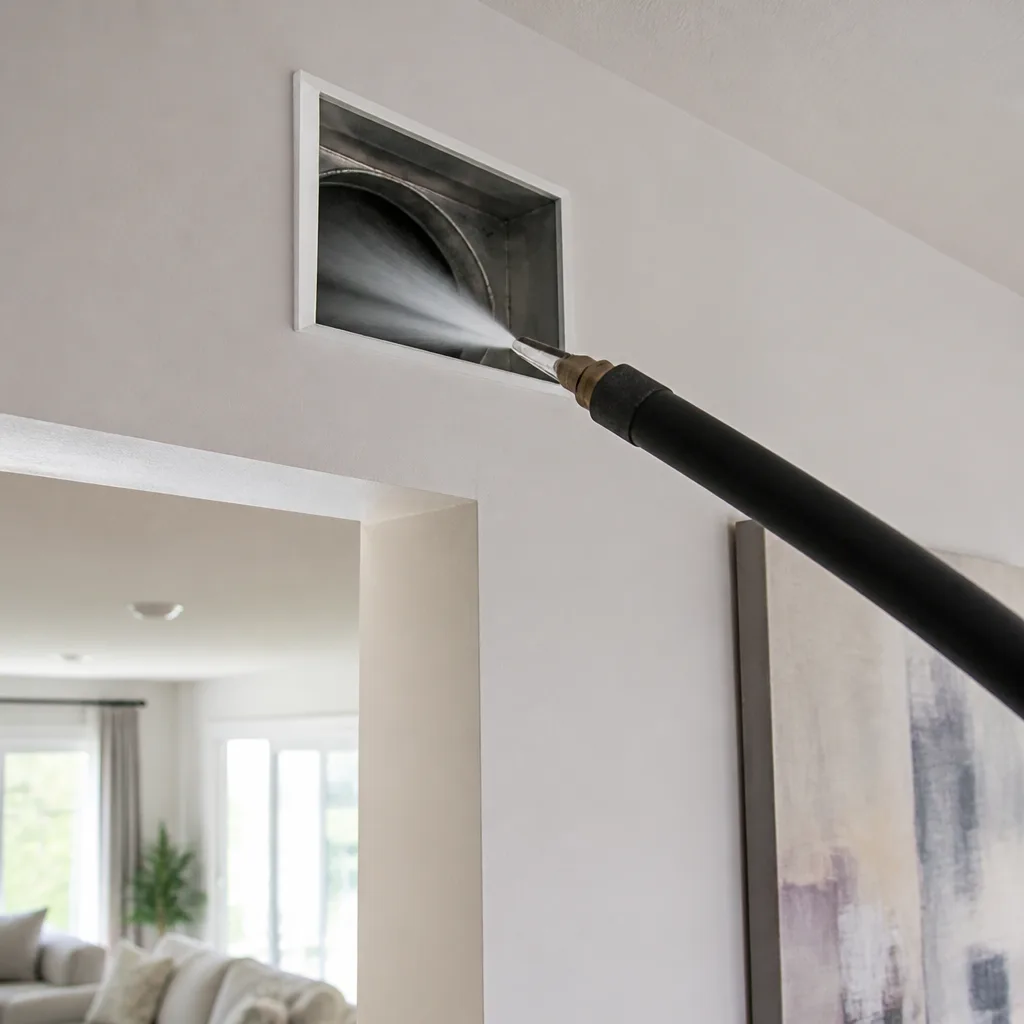 Sanitizing & deodorizing
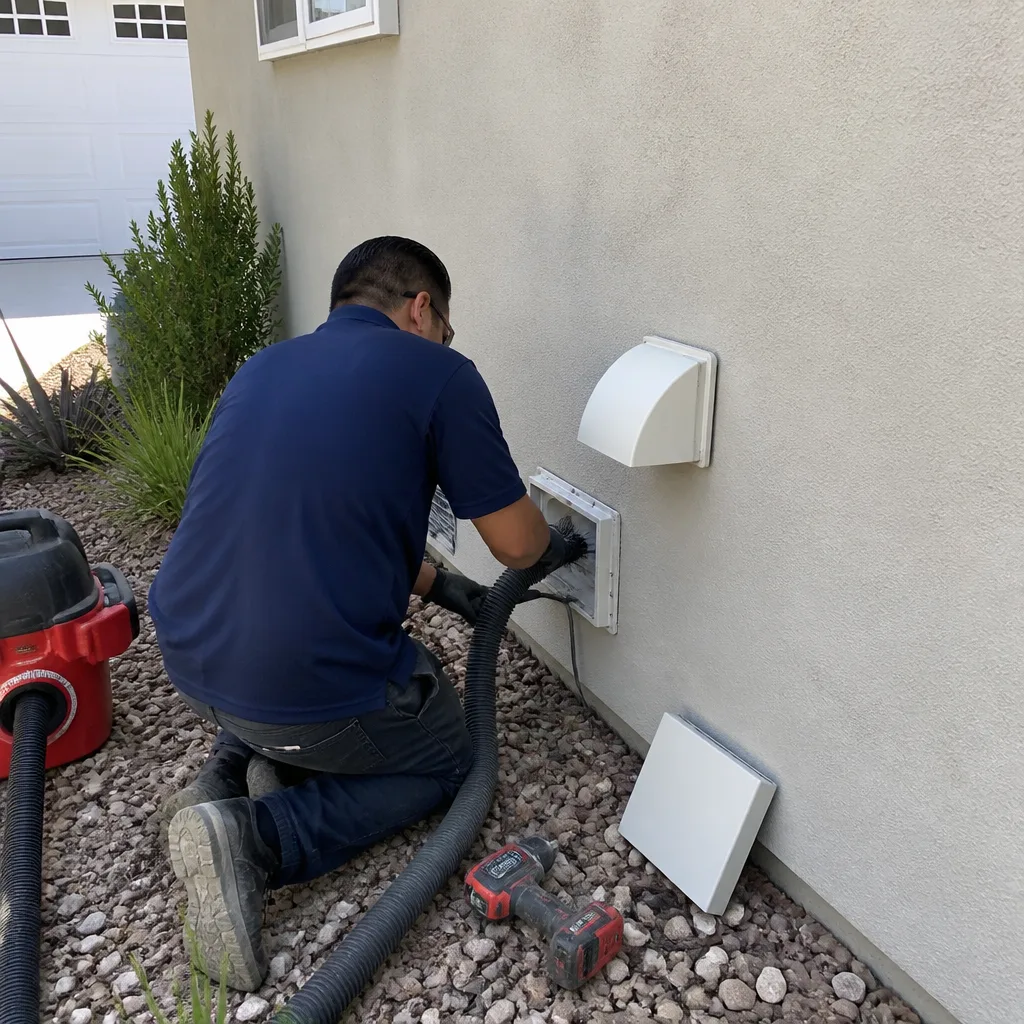
Whole-system duct and dryer vent check with before-and-after photos - you see exactly what came out of your vents
That "$99 whole-house special" is a bait ad - the real number appears once they are in your hallway, or the "clean" is a shop-vac at the register. We photograph the inside of your ducts before and after instead.
Abatement Technologies Register & Grille Cleaning: The Long Beach Owner’s Guide
Register and grille cleaning for Abatement Technologies systems in Long Beach runs $45 to $110 per register when done as part of a full duct cleaning, or $150 to $350 for a standalone whole-home register and grille service. Most homes have eight to fourteen registers, and we typically complete the full set in under two hours. Owners usually discover buildup when they notice dust streaks radiating from vents on their ceiling or walls, or when a register feels sticky and won’t adjust smoothly anymore.
Here’s the reality: your Abatement Technologies air cleaner can run perfectly while the registers feeding air back into your rooms slowly choke off airflow. Roy Castellanos has pulled registers in Long Beach homes near El Dorado Park that looked fine from the floor, but had a half-inch of caked dust and pet hair built up on the backside. It’s the most overlooked part of the system because it’s the part you see every day without actually looking at.
Which Abatement Technologies Models This Applies To
We service registers and grilles across the Abatement Technologies line, including units paired with the HEPA-AIRE PAS Series, the PREDATOR Series, and the VANTAGE line. The register compatibility doesn’t change much between these models, but the grille sizing does, and that’s where homeowners get tripped up. Abatement Technologies registers are engineered for specific airflow rates tied to the blower output of each unit. Ordering a register that “looks right” from a big-box store often means installing something that whistles or throws air unevenly because the grille fin spacing isn’t matched to your system’s static pressure.
When identifying the right register, look for the silver label on the register frame or the insulated flex connection behind it. Measure the opening dimensions, not the outer flange. For most Long Beach homes built between the 1950s and 1990s, you’ll see 4×10, 4×12, or 6×12 openings. There’s also a compatibility gotcha worth knowing: Abatement Technologies systems installed as retrofits often reused the home’s original registers, which means your registers may not say “Abatement” on them at all. If you’re not sure, pull one register off and check the airflow pattern. A properly matched register should throw air across the room, not straight down or straight up.
As for OEM versus aftermarket, OEM Abatement Technologies registers are built to tighter fin tolerances and hold their position better over time. Quality aftermarket equivalents from manufacturers like Hart & Cooley or Shoemaker work fine when sized correctly, and we stock both. The decision usually comes down to budget and whether you want the exact finish match for your existing trim.
Styles & brands we work with
Signs Your Abatement Technologies Register & Grille Cleaning Is Failing
Registers don’t “fail” the way a motor or capacitor does. They degrade gradually, and by the time you notice, airflow has usually been compromised for months. Here’s what we actually see in Long Beach homes:
- Visible dust streaks on ceilings or walls radiating from the vent. This happens when the register and the duct behind it are loaded with debris, and the airstream picks up particulates at the register face. It’s not just cosmetic; it means that dust is circulating through the room every time the system runs.
- The register damper wheel or lever won’t move, or moves but won’t stay put. Accumulated grease and dust bind the pivot points inside the register and air pulses cause them to shift position on their own. This puts uneven airflow into the room and can also cause the register to rattle.
- You hear a whistle or hiss at specific vents. Caked buildup narrows the effective opening, increasing air velocity through the remaining space. The higher velocity produces the sound. It often disappears after cleaning because the airflow is properly restored across the full face of the register.
- One room is consistently warmer or cooler than the rest of the house. A restricted register typically cuts 20 to 40 percent of the airflow into that room. Long Beach ranch homes and two-story builds near Bixby Knolls are especially prone to this because of long duct runs that leave less static pressure available to push through a dirty register.
- Mold or musty smell localized to one or two supply points. Register faces get cold during AC season, condensation forms, and that moisture traps dust against the metal. Over time that becomes a perfect environment for biological growth on the backside of the register, which is invisible from below.
See the difference
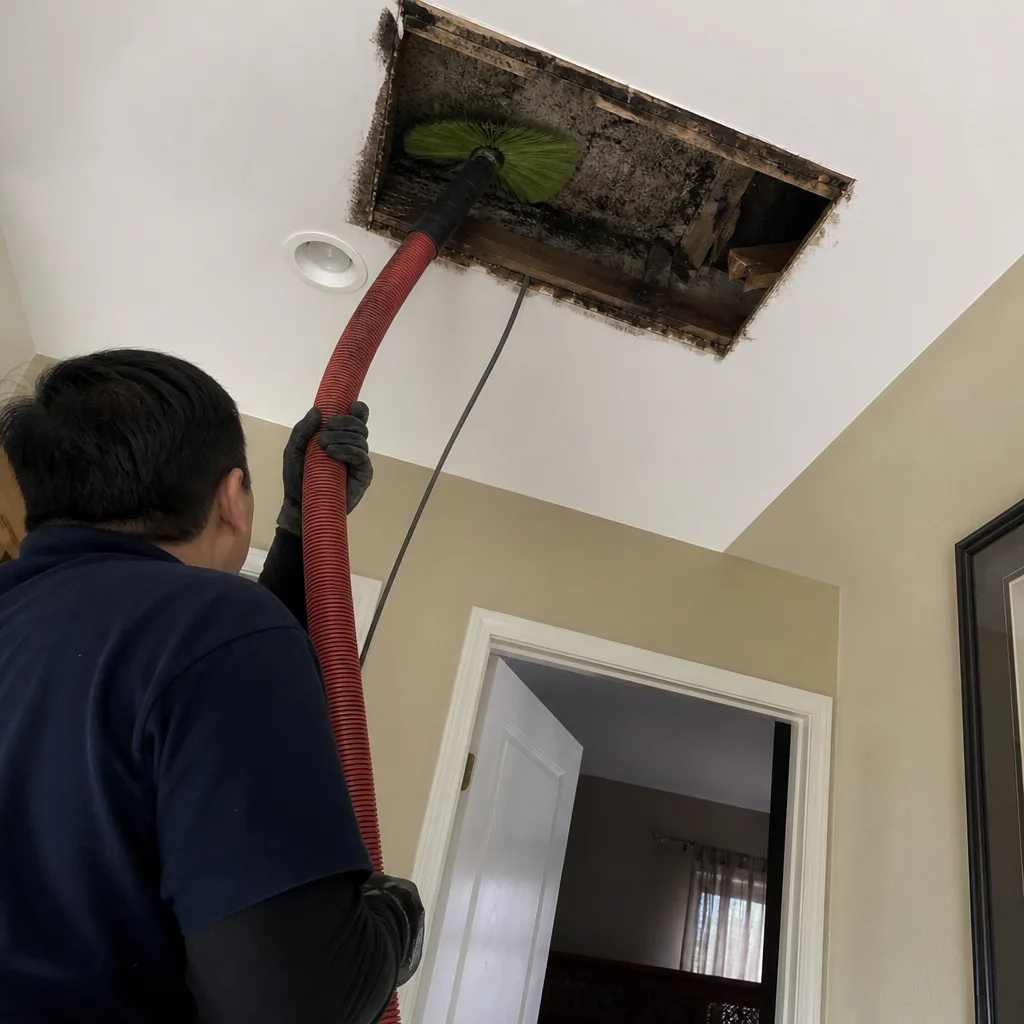 Before
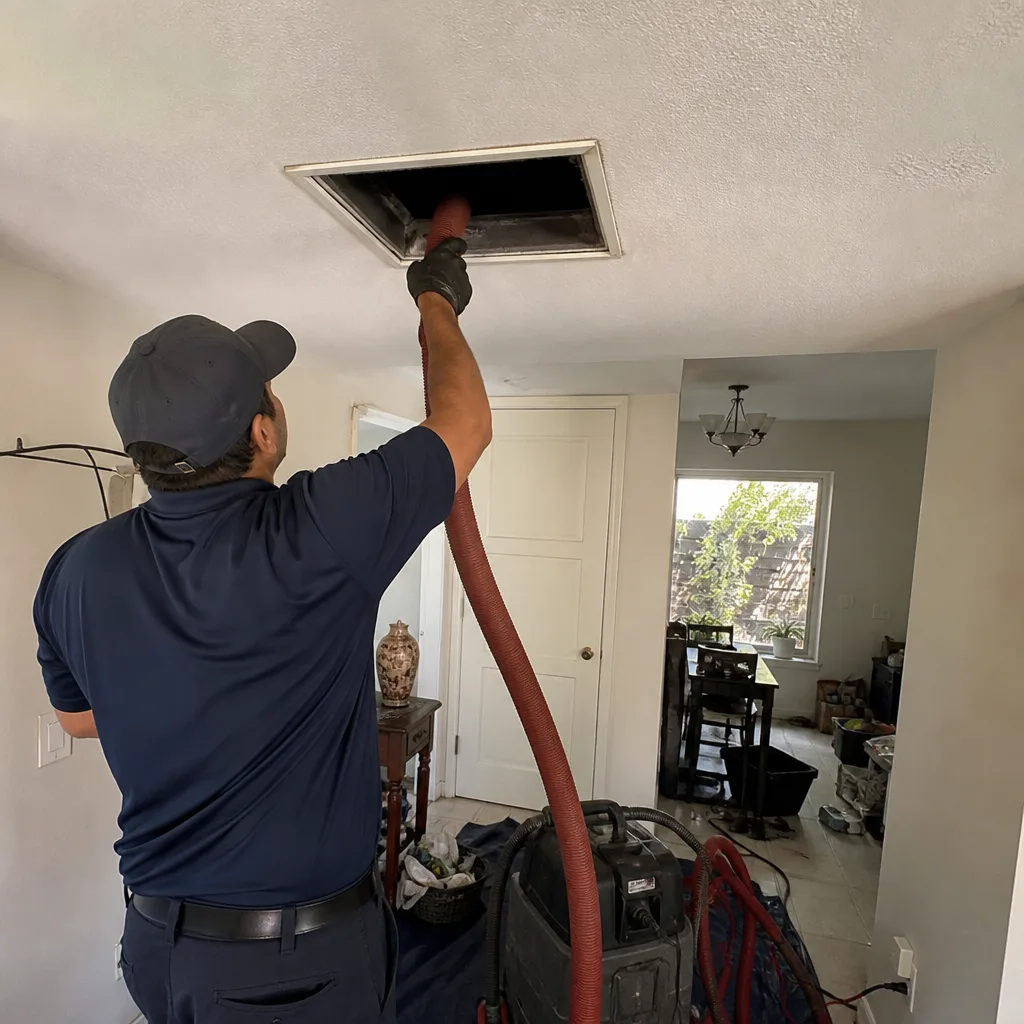 After
After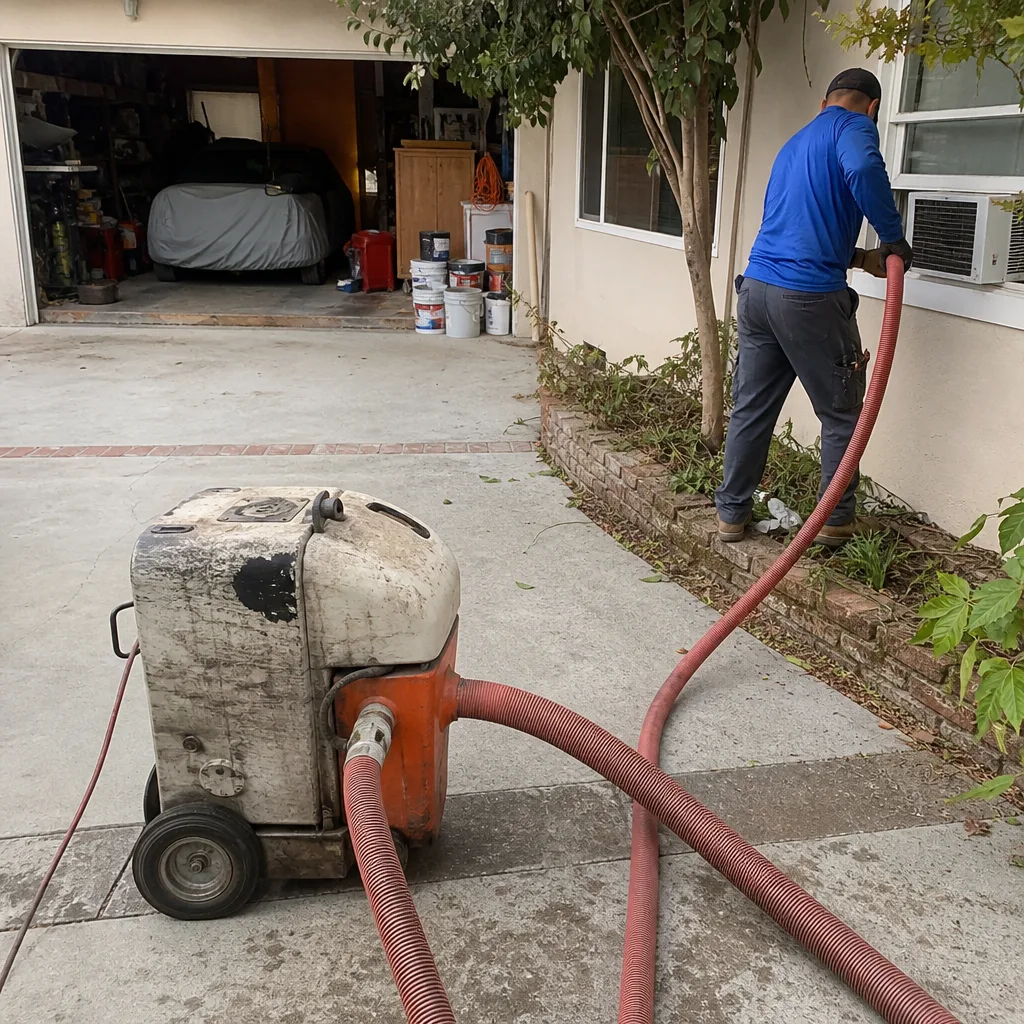 Before
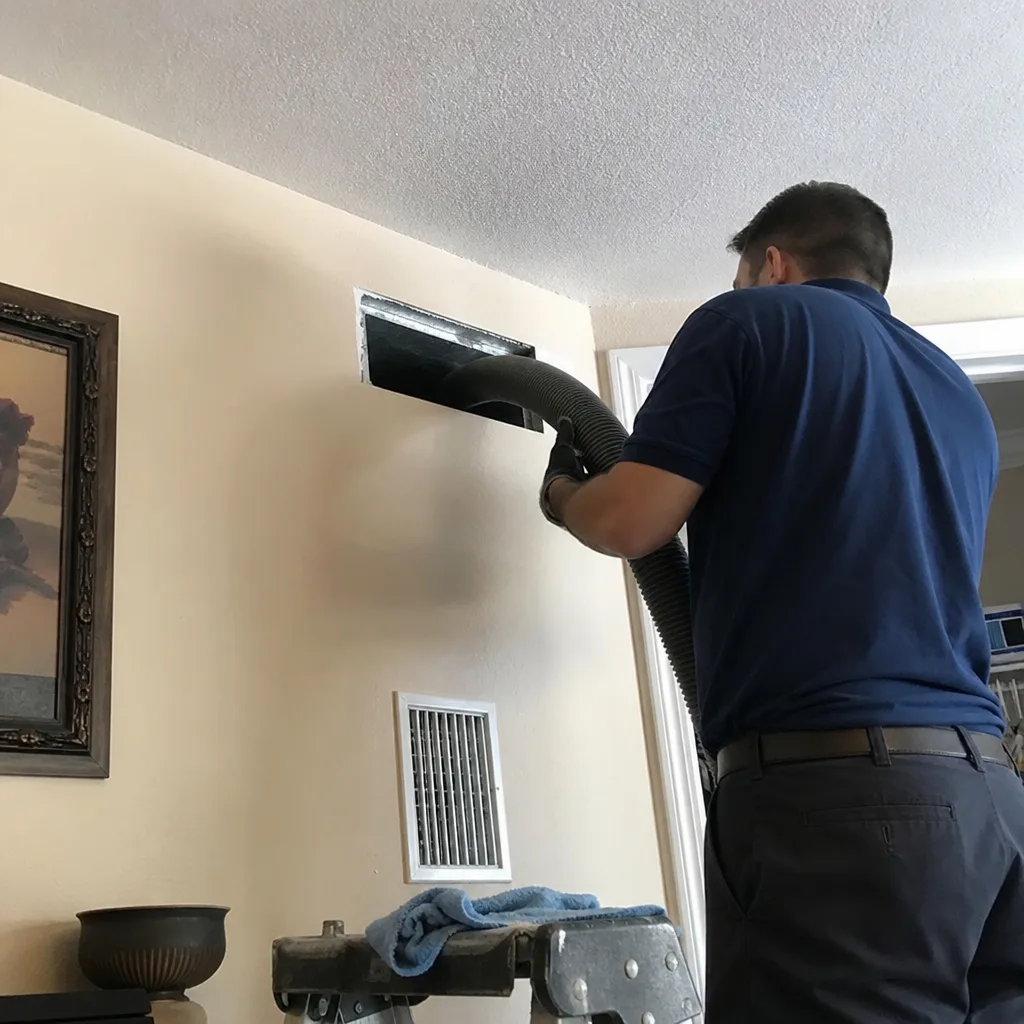 After
After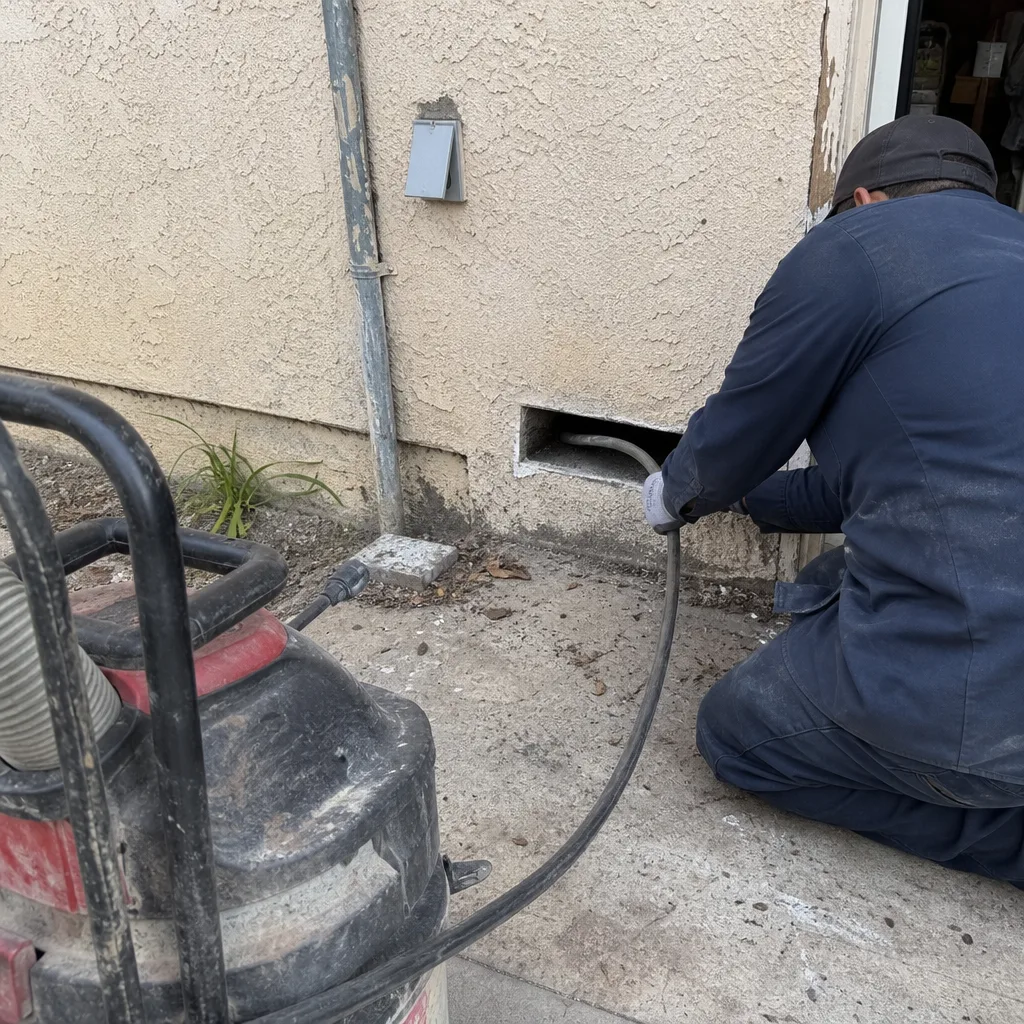 Before
 After
AfterReplacement Cost & What’s Included
For Long Beach homeowners, register and grille replacement with a standard 4×10 or 4×12 stamped steel register runs $18 to $38 per register, installed. If you’re replacing with OEM Abatement Technologies registers, expect $28 to $55 per register because of the tighter fin construction. If you need a heavier-duty commercial-style grille or a custom size, it can run up to $75 per register. Cleaning alone is the lower cost option at $12 to $18 per register when we’re already doing the duct system, because the registers are removed anyway. We’ll write this price down before any work starts and it will not move. The 365-Day Done Right Promise covers the installation for a full year: if a register develops a rattle, breaks, or loosens, we come back and fix it at no charge.
What drives the range is mostly the register material and whether the existing register boot (the fitting behind the register) needs repair or sealing. Older Long Beach homes with original metal boots often have gaps where the boot meets the drywall, and those gaps pull attic air into the room. We’ll always point that out and tell you exactly what it costs to fix, in writing, before we proceed.
DIY or Call Us?
Cleaning a register face with a vacuum and a damp cloth is a reasonable homeowner task, and we encourage it between professional cleanings. You can also remove standard registers and wash them in warm soapy water, as long as you’re careful with the damper mechanism. What we don’t recommend is attempting to clean or “fix” the ductwork behind the register yourself. The flex duct and boots are easy to damage, and any tear or disconnection above the register will pull unconditioned attic air into your living space. If a register is pushed too far into the boot it can also separate the inner liner, which silently robs airflow for years.
If you’ve tried cleaning and still have a whistle, uneven airflow, or visible grime you can’t reach, give us a call at (562) 548-7365. We’ll tell you over the phone whether we think it’s a simple cleaning or a replacement, and what you’re looking at price-wise before we ever schedule the visit.
FAQs
Every three to five years for most homes, but more often if you run your AC heavily during Long Beach summers or have pets. Coastal homes near Belmont Shore and Naples also deal with more salt and moisture in the air, which makes dust stick to register surfaces faster. Pull a register off and look at the backside. If you can scrape buildup with your fingernail, it needs attention. Call (562) 548-7365 if you want us to take a look at no charge.
Most standard damage, like a stuck damper or bent fins, isn’t worth repairing because replacement registers are inexpensive compared to the time it takes to rebuild one. There is one exception: if the damage is just a loose pivot or a missing screw, that’s a quick and simple fix we’ll often include as part of a cleaning visit. If fins are bent beyond straightening or the register face is rusted through, replacement is the honest call. Call us and we’ll tell you which one you’re dealing with.
Sixty to ninety minutes for a whole home, depending on how many registers and how accessible they are. Second-story registers in Long Beach’s split-level homes add a little time because of ladder work, but we handle that as part of the standard scope. We arrive inside the quoted window, write the price before starting, and leave the site clean when we’re done.
We stock common sizes in stamped steel and OEM-style finishes on the truck, including 4×10, 4×12, 6×12, and the two-way and three-way stamped varieties. For larger or specialty sizes, we can typically have them within one to three business days. If you call (562) 548-7365 with your measurements, we’ll tell you what’s on hand and what has to be ordered before you schedule anything.
If your registers are dirty, whistling, or restricting airflow, call Hollis Air Duct Long Beach at (562) 548-7365 for a free estimate. We serve Long Beach and nearby areas with written pricing, background-checked and uniformed technicians, and the 365-Day Done Right Promise on every job. We also stock parts for Lennox, Trane, and Carrier systems, so one call usually covers whatever you’re running.
Written by Roy Castellanos, Owner, Hollis Air Duct Long Beach at Hollis Air Duct Long Beach, serving Long Beach and nearby areas.