
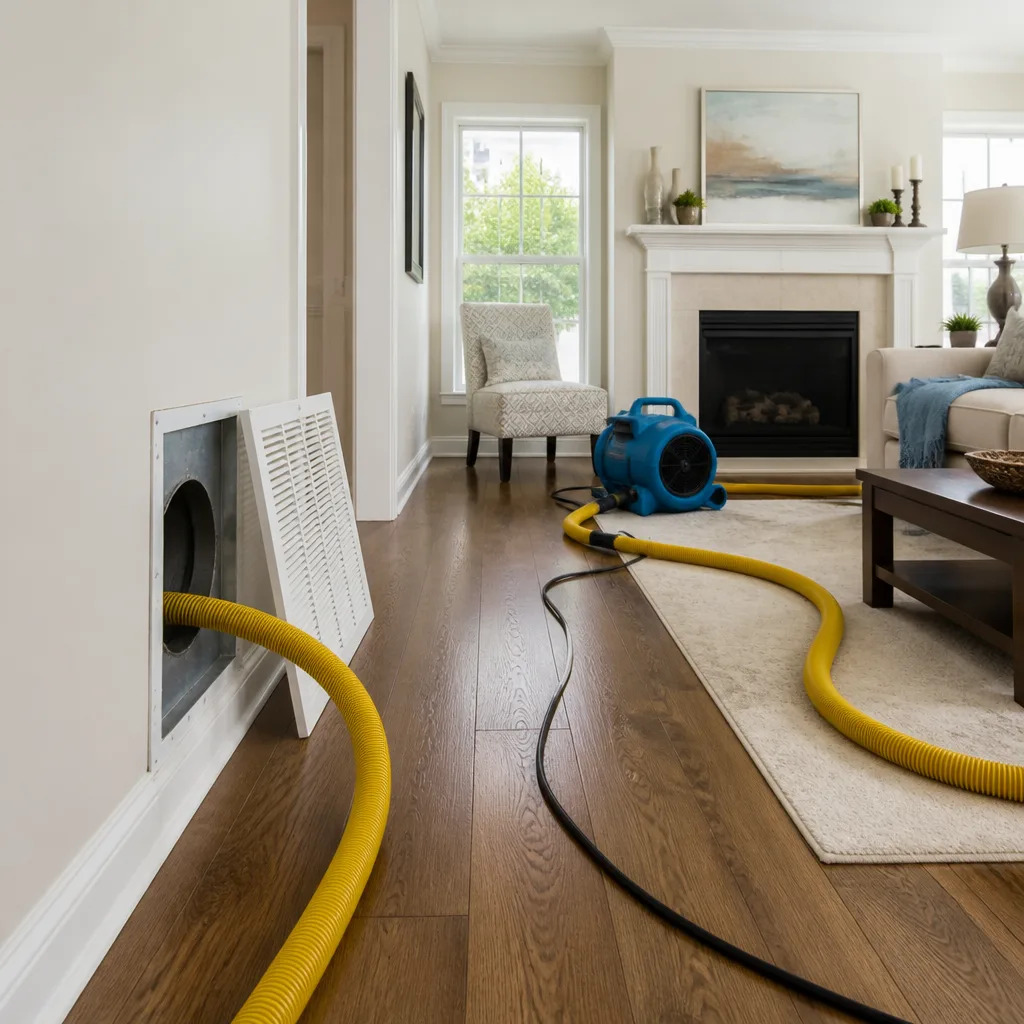
 Whole-home duct cleaning
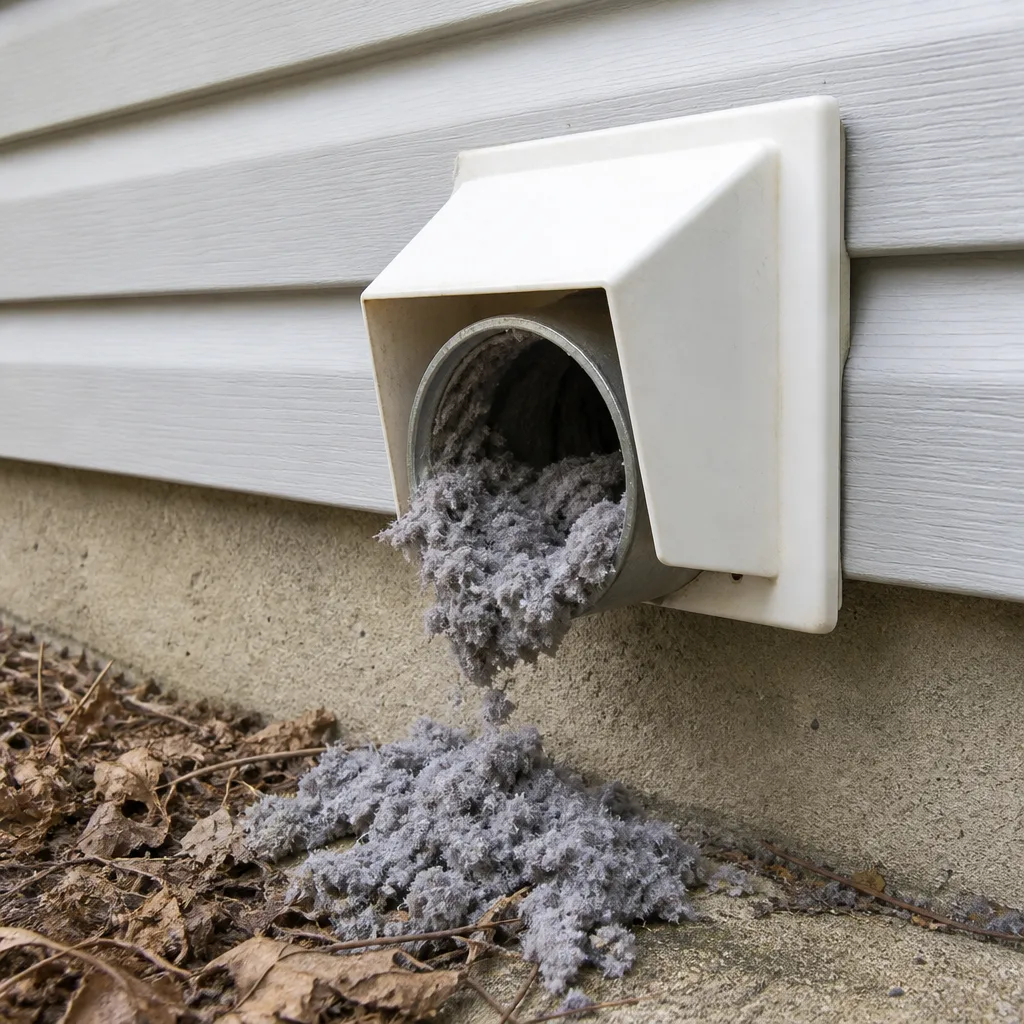 Dryer vent cleaning
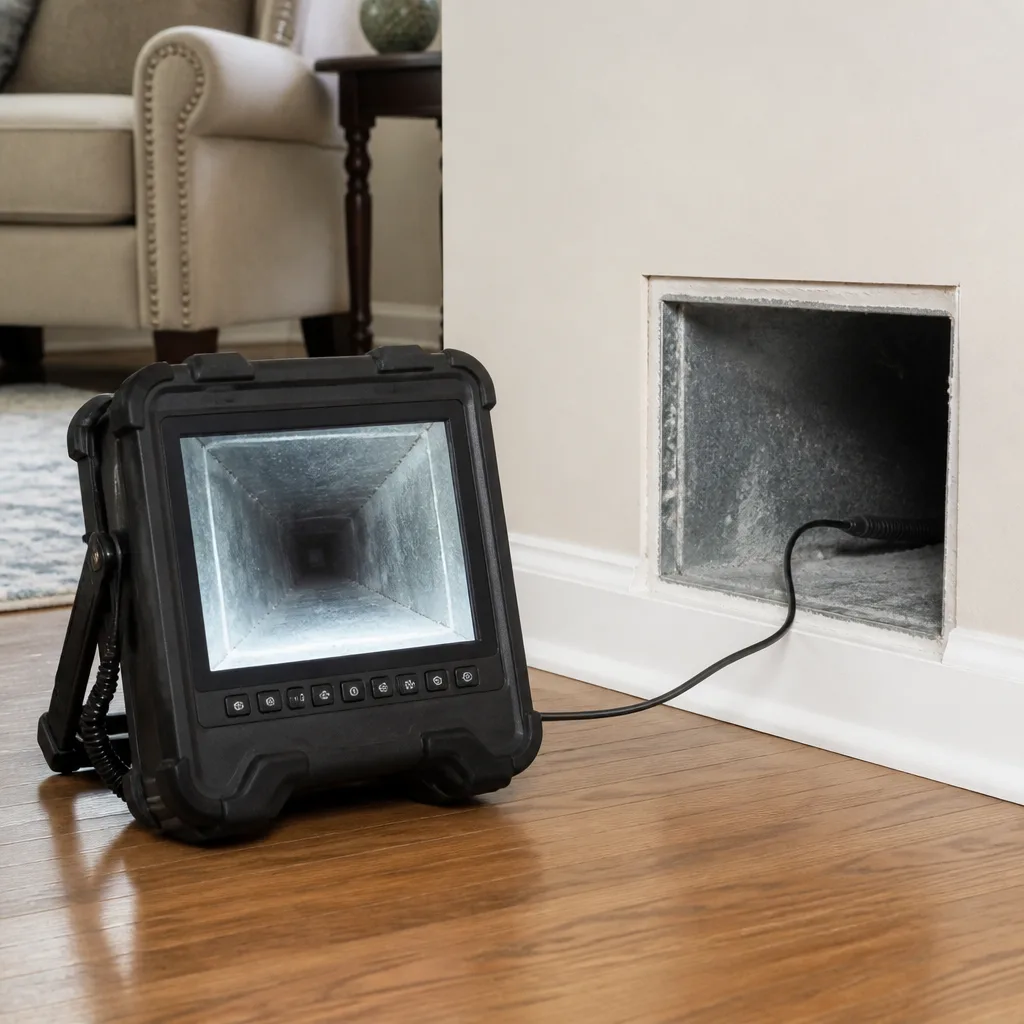 Camera inspection
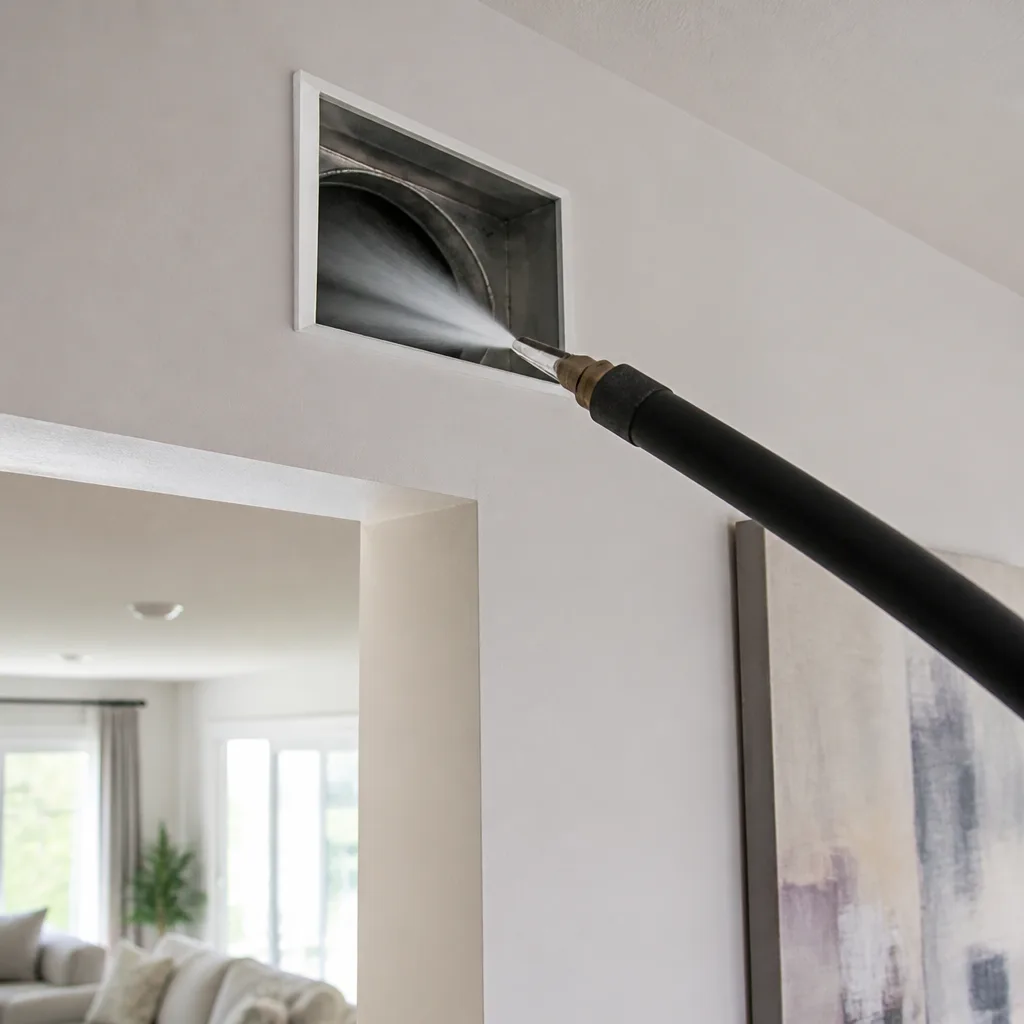 Sanitizing & deodorizing
Whole-system duct and dryer vent check with before-and-after photos - you see exactly what came out of your vents
That "$99 whole-house special" is a bait ad - the real number appears once they are in your hallway, or the "clean" is a shop-vac at the register. We photograph the inside of your ducts before and after instead.
Honeywell Coil Cleaning: The Long Beach Owner’s Guide
We stock and install Honeywell-compatible coil cleaning for residential HVAC systems across Long Beach, with a typical installed price of $160 to $340 depending on access and how much buildup has accumulated on the coil surface. Most calls come in after homeowners notice their AC running longer than it should, or a tech from another company flags a dirty coil during a seasonal checkup. You will usually see it before you feel it: a gray, matted layer of dust and pet hair pressed against the fins, blocking the airflow your Honeywell system was designed to move.
The good news is this is a service, not a part swap. Coil cleaning restores the heat exchange surface on your Honeywell evaporator or condenser coil so the refrigerant can actually do its job. In Long Beach, where marine air carries salt and a fine haze of particulate off the Port, coils that go two years without cleaning are working noticeably harder than they should. Roy Castellanos and our crew have pulled coil mats thick enough to lift off in one piece from homes near the Queen Mary waterfront and older tract houses in Wrigley alike. The fix is straightforward when it is done right, and the difference in airflow is immediate.
Key Takeaways:
- Honeywell coil cleaning in Long Beach typically runs $160 to $340 installed, written before work starts.
- Most coils need this every 2 to 3 years in coastal air, sooner with pets or smokers in the house.
- We use professional-grade coil cleaners and rinse methods that will not warp fins or flood your drain pan.
- Every cleaning is covered by the 365-Day Done Right Promise in writing.
Which Honeywell Models This Applies To
This service applies to Honeywell evaporator coils and condenser coils across the residential lines we see most in Long Beach homes: the Honeywell Home series paired with forced-air furnaces, heat pump air handlers, and older split systems that have been retrofitted over the years. Honeywell does not manufacture coils under its own nameplate in most cases; the coils are made by the equipment manufacturer and matched with Honeywell controls, thermostats, and filtration. That means the coil cleaning itself is about the physical fin surface, not a Honeywell-specific chemical or procedure.
Here is the compatibility detail that matters: you need to know whether you are dealing with an evaporator coil (inside the air handler or furnace cabinet, above or below the blower) or a condenser coil (outside in the unit). We clean both, but the access is different, and we will not know the exact price until we see how the coil is situated. Some Long Beach homes from the 1950s and 1960s have evaporator coils that are nearly impossible to reach without pulling a section of duct. Others have a simple access panel that makes the job quick. When we quote, we ask for the model number off the air handler or outdoor unit, not the thermostat, because the thermostat model will not tell us what is sitting on top of the furnace. If you have a Honeywell thermostat paired with a Carrier, Lennox, or Trane system, we still clean the coil; the Honeywell name on the wall does not change what the coil needs.
We use coil-specific cleaning solutions that are safe for the aluminum fins and copper tubing on these units. The cleaner we use is not the same as a household degreaser, and it is not the acid-based brightener that some crews use because it makes the fins look new while silently etching them. That distinction is one of the reasons we write the price down before we start and explain what we are applying to your system. Hollis Air Duct Long Beach is an independent service provider and is not affiliated with Honeywell.
Styles & brands we work with
Signs Your Honeywell Coil Cleaning Is Overdue
- Your AC runs longer to hit the same temperature. A dirty coil cannot transfer heat efficiently, so the system cycles longer. You will notice it on summer afternoons in Long Beach when the thermostat says 74 but the unit keeps running without a break.
- You see ice forming on the refrigerant line or the coil itself. Reduced airflow across an evaporator coil drops the refrigerant temperature below freezing. Ice is the symptom; restricted airflow from a dirty coil is usually the cause.
- The air coming out of your vents feels weak, even with a clean filter. The coil sits behind the filter, so a mat of dust on the fins acts like a second, much denser filter. Airflow drops, and your Honeywell system struggles to push conditioned air through the house.
- Your energy bill climbs during moderate weather. Same set point, same schedule, but the compressor is working harder because the coil is not rejecting or absorbing heat the way it did when it was clean. Many Long Beach homeowners see a spike before they notice anything physically wrong with the unit.
- There is a musty or stale smell when the system runs. A damp layer of dust and organic material on a coil is a breeding ground for mildew. The smell comes through the vents and lingers, especially the first time the AC kicks on after a stretch of humid marine weather.
See the difference
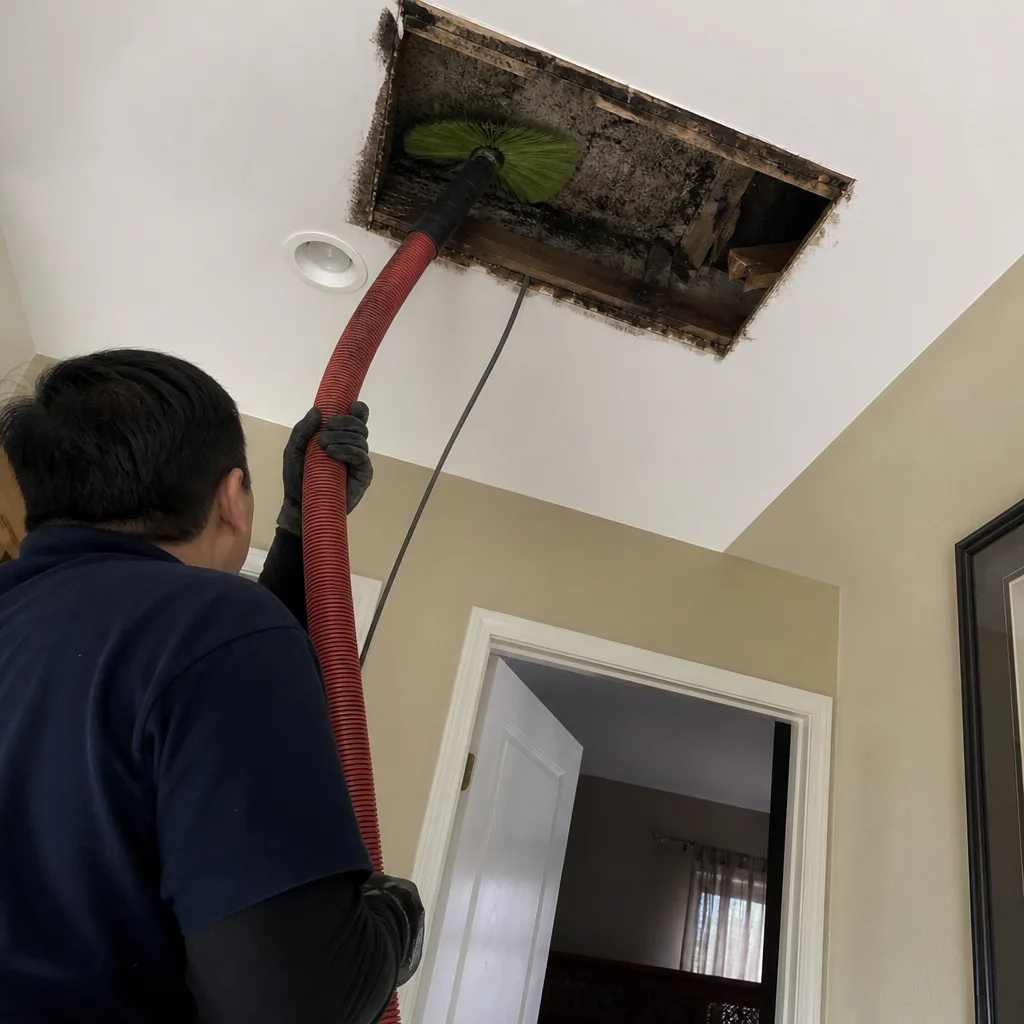 Before
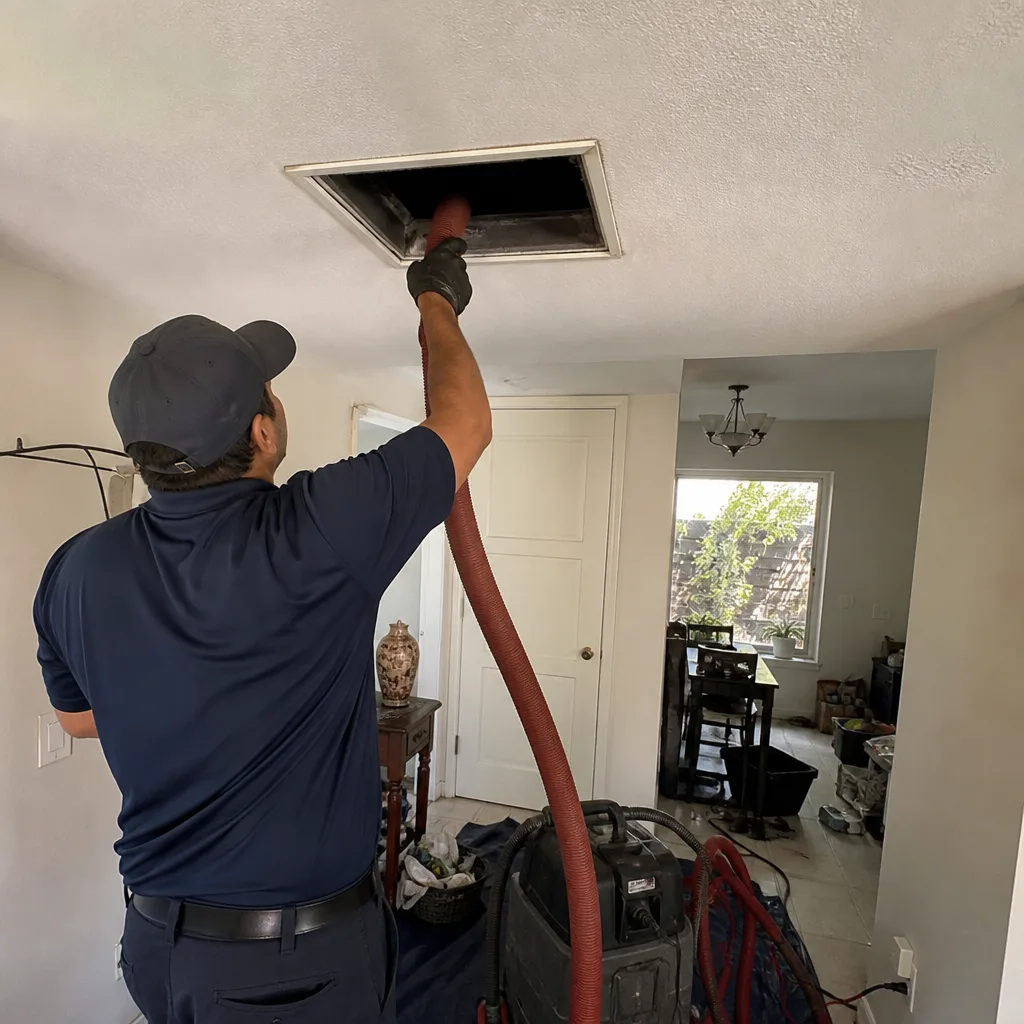 After
After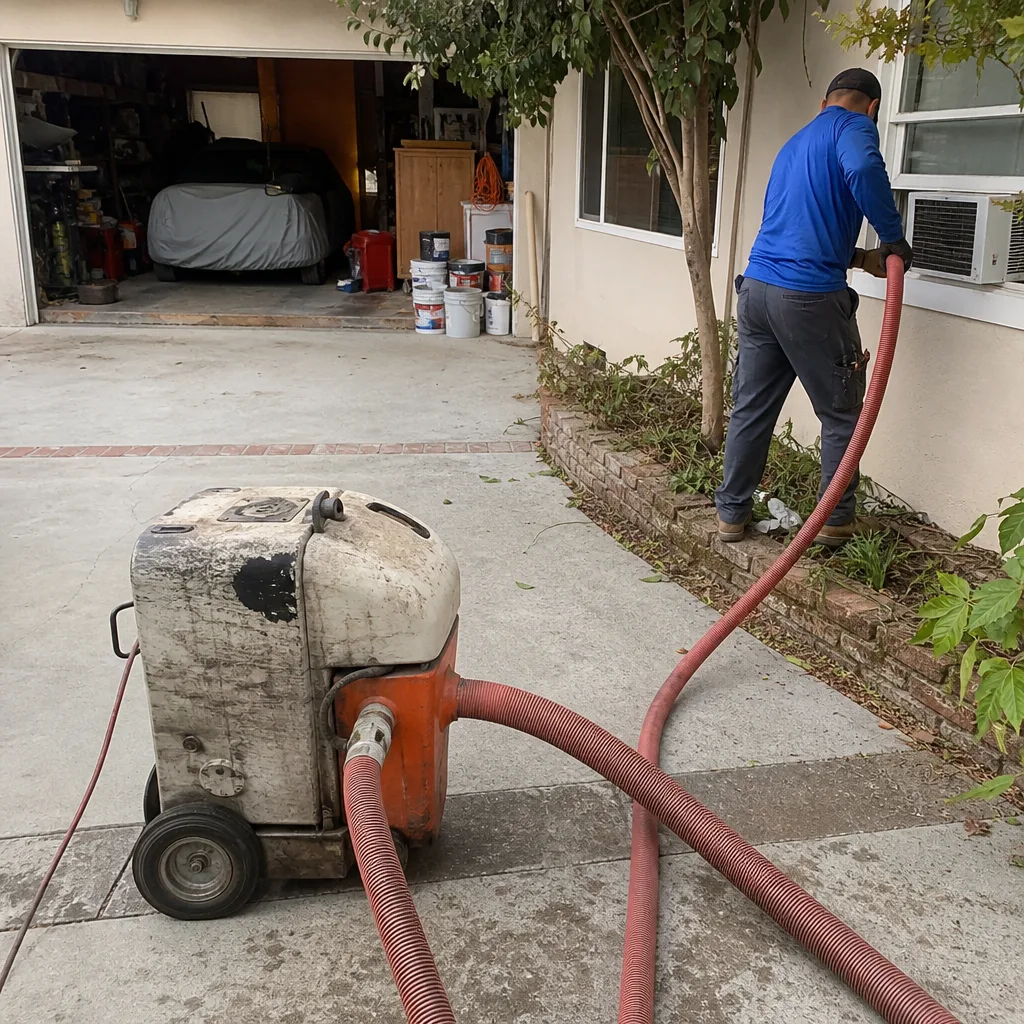 Before
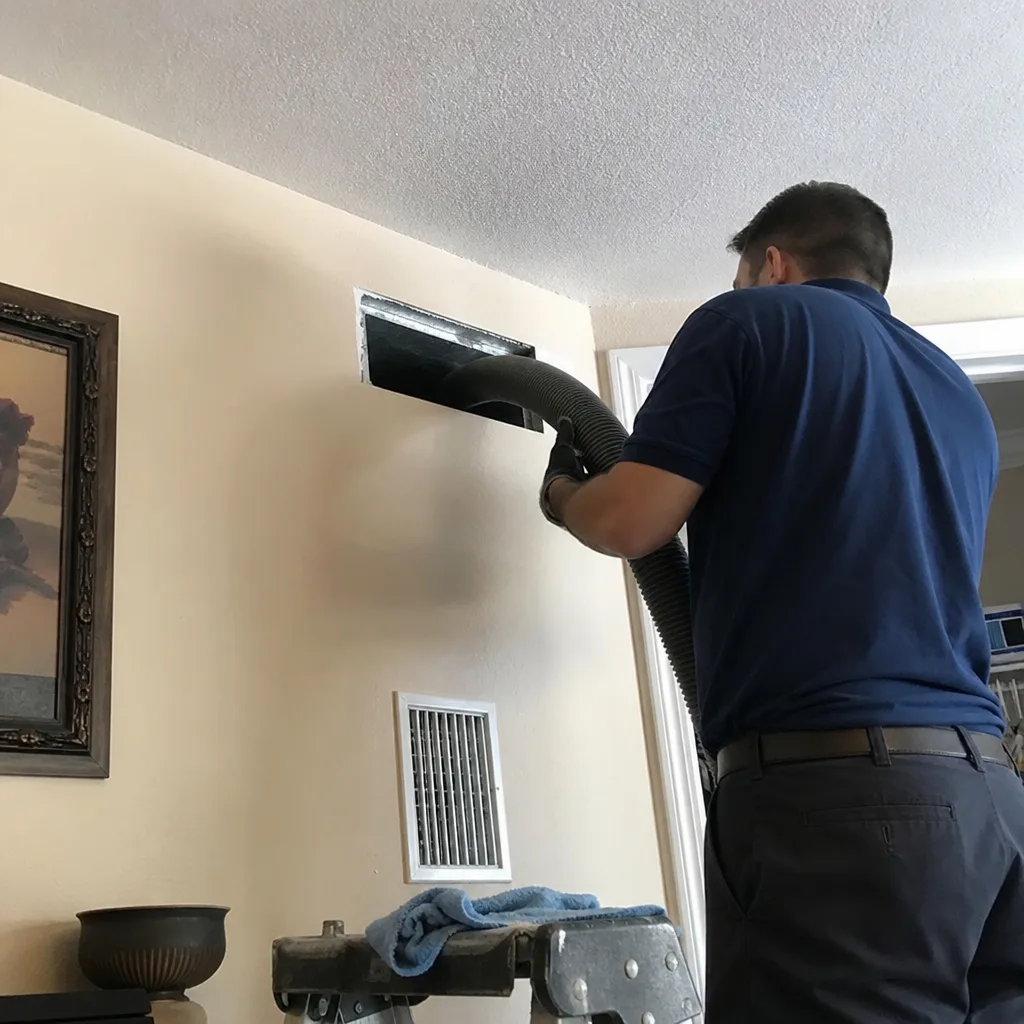 After
After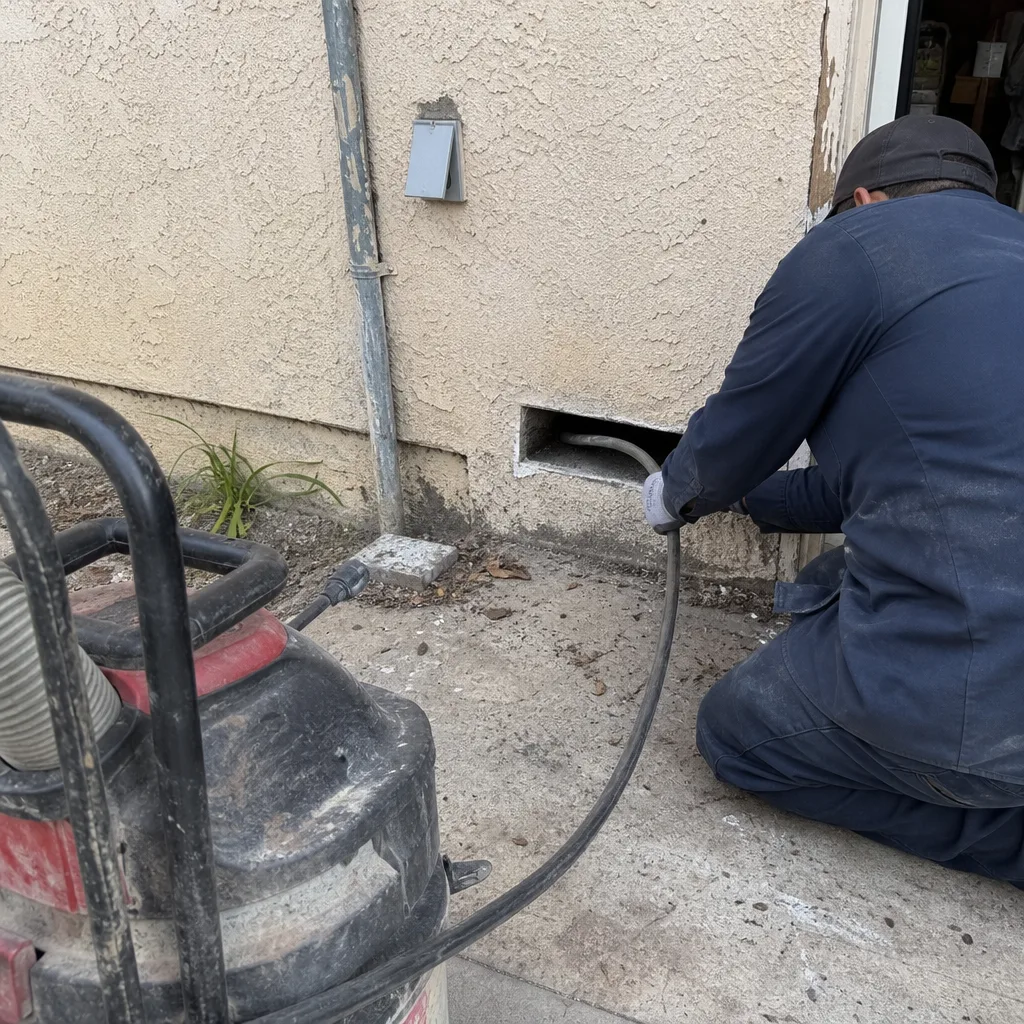 Before
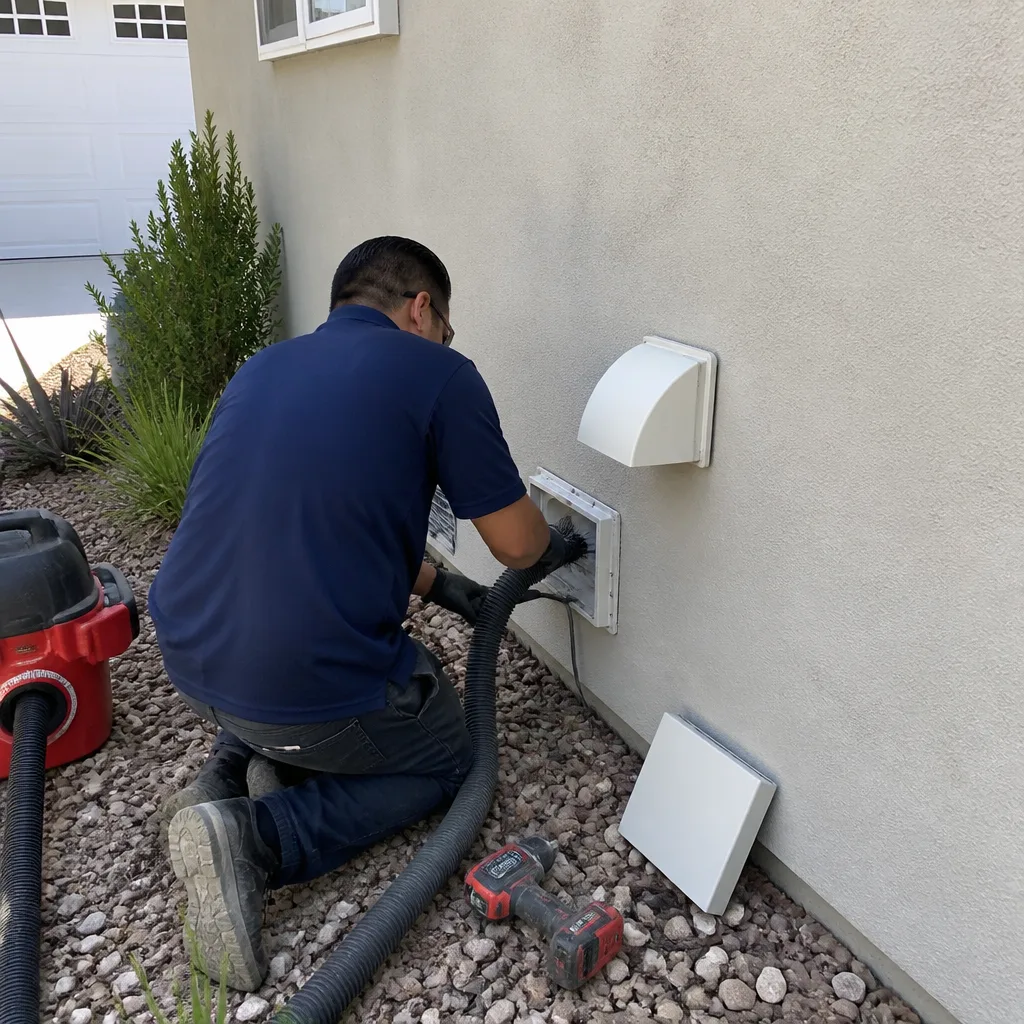 After
AfterReplacement Cost & What’s Included
For a single evaporator coil or condenser coil cleaning in Long Beach, most jobs fall between $160 and $340. The range depends on three things: how accessible the coil is, how much buildup is on the fins, and whether we are cleaning just the coil or the full duct system as part of the same visit. A coil that has been cleaned in the last two years is a straightforward job. A coil on a 2005 system that has never been touched, sitting behind a duct run in a crawlspace, costs more because time on site is the real expense.
You get the written price before any work starts, and that number does not move at the door. The cleaning includes applying a coil-specific cleaner to break down the mat of dust and oils, gently rinsing the fins without bending them, clearing the condensate drain line so the water has somewhere to go, and checking the coil for any signs of leaks or damage while we are in there. Every coil cleaning is covered by the 365-Day Done Right Promise: if the airflow problem comes back or the coil starts icing again within a year, we return and make it right at no charge. That is in writing on every job, not something we mention after the fact.
DIY or Call Us?
You can safely check a few things yourself before calling. Look at the filter: if it is caked with dust, replace it and see whether airflow improves. Walk outside and check the condenser coil: if grass clippings, leaves, or a layer of lint from a nearby dryer vent are packed against the fins, you can hose it off gently with a garden sprayer, not a pressure washer. A pressure washer will fold the fins flat and make the problem worse.
What we would not recommend is pulling apart the air handler or furnace cabinet to reach the evaporator coil. The coil sits in a tight space, the access panel is often sealed or screwed, and the drain pan underneath is full of water if the line is clogged. You can create a mold problem in a week. We have also seen homeowners strip the screws on a panel and then call us anyway, which makes the job harder. If you are in Long Beach and the coil has not been cleaned in years, call (562) 548-7365. We will give you a written price before we touch anything.
FAQs
In Long Beach, most coils stay clean for two to three years before the buildup begins to affect airflow again. Coastal air, pets, candles, and the general dust that blows through older neighborhoods all shorten that window. If you run a Honeywell media filter with a high MERV rating and change it on schedule, you may stretch it longer. Our recommendation is to have the coil inspected every other year, and cleaned when it needs it, not on a calendar.
A dirty coil does not need to be replaced; it needs to be cleaned. Coil replacement becomes necessary when there is a refrigerant leak, physical damage to the fins or tubing, or corrosion that has eaten through the aluminum. Those are separate problems. The cleaning we do restores the coil’s ability to transfer heat, and in most cases it solves the airflow and icing symptoms without any parts being replaced at all. Call (562) 548-7365 and we will tell you which situation you are in before we touch the system.
Most coil cleanings in Long Beach take between 60 and 90 minutes once we are on site. Condenser coils on the outdoor unit go faster; evaporator coils inside the air handler or furnace take longer because of the access. If we are also cleaning the ducts on the same visit, the full job runs longer, but the coil portion itself is a single visit with a written price agreed on before we start.
We stock the service and the professional-grade cleaning solutions, not retail shelves of chemicals for the public. We carry the coil cleaners and rinse equipment on our trucks, along with the drain line tools and inspection gear we need to do the job in one trip. We do not sell coil cleaner by the bottle in Long Beach; we apply it as part of a written, guaranteed service. That is how we keep the standard consistent from one job to the next.
If your Honeywell system is running long, icing up, or just not moving air like it used to, call us at (562) 548-7365 for a free estimate. We will walk you through what we are seeing, write the price down before any work starts, and back the cleaning with the 365-Day Done Right Promise.
Written by Roy Castellanos, Owner, Hollis Air Duct Long Beach at Hollis Air Duct Long Beach, serving Long Beach and nearby areas.