
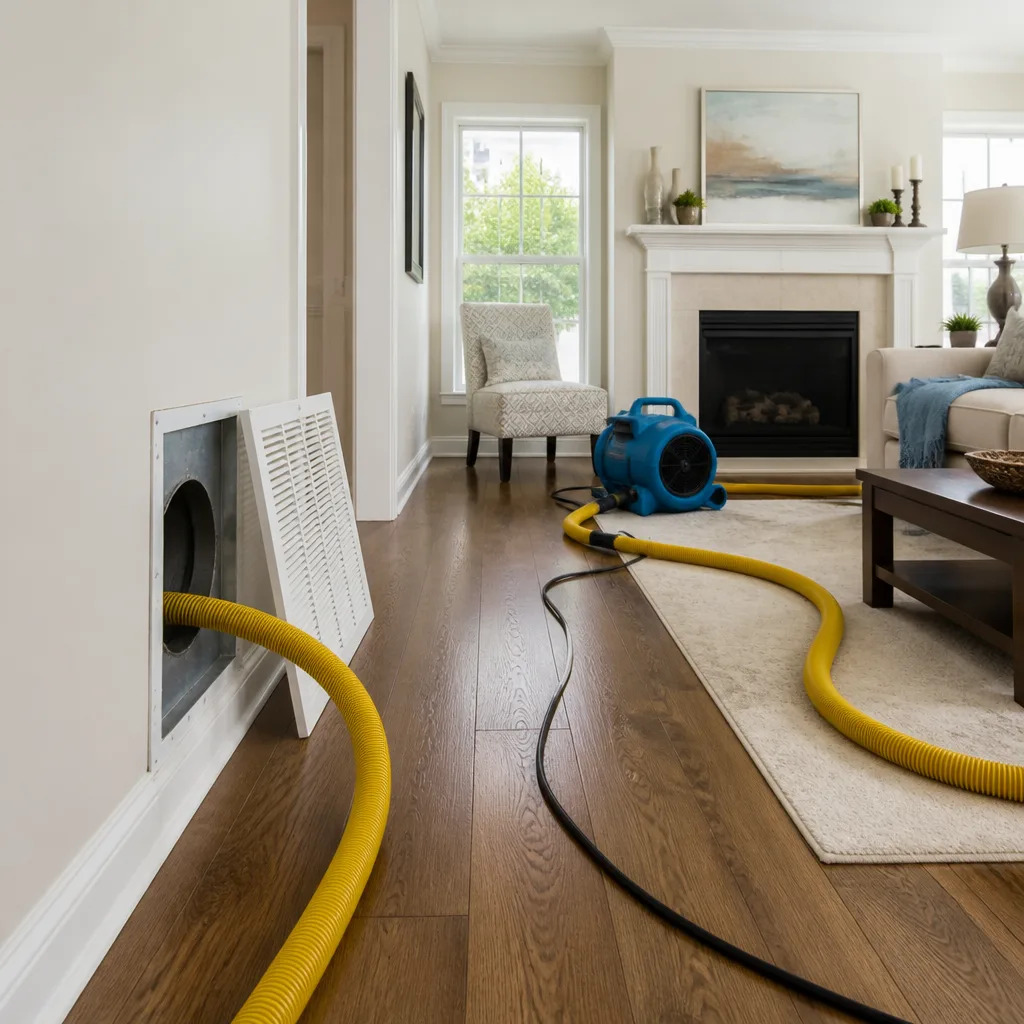
 Whole-home duct cleaning
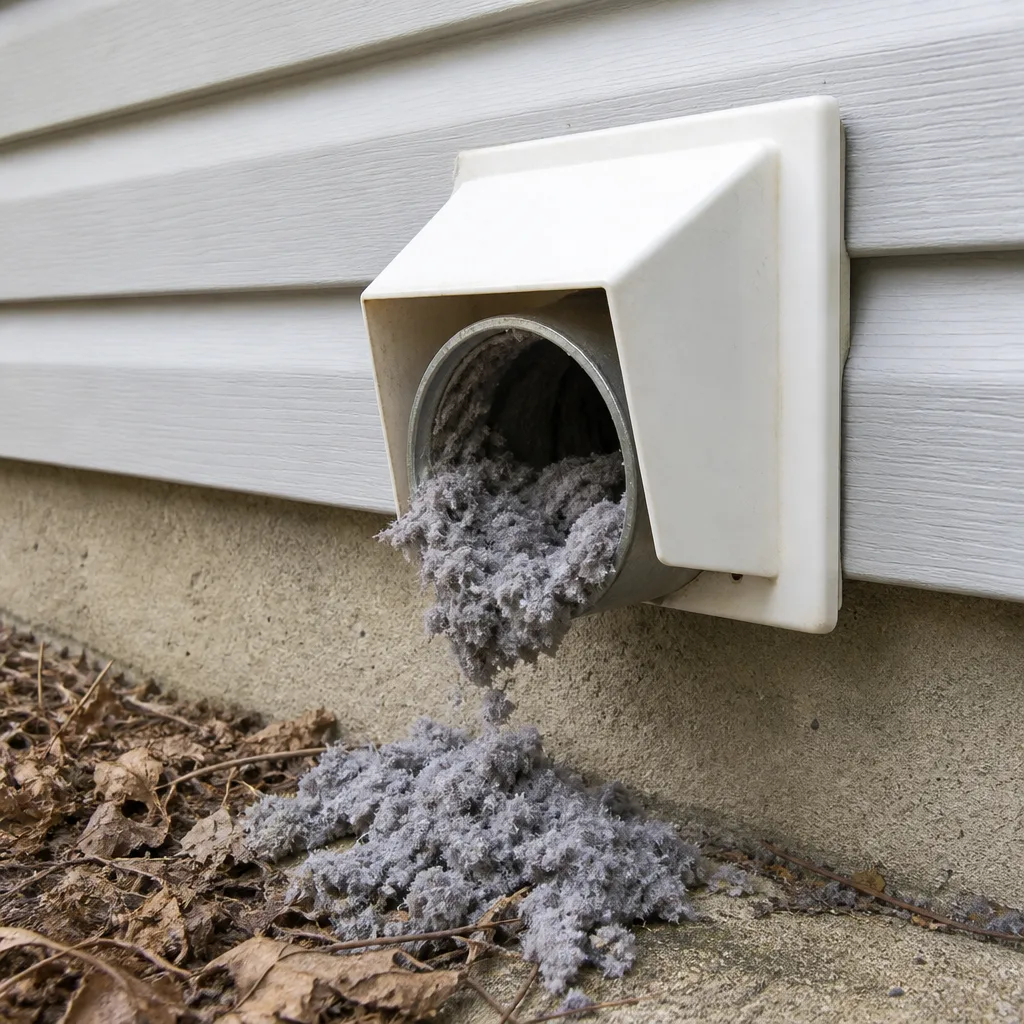 Dryer vent cleaning
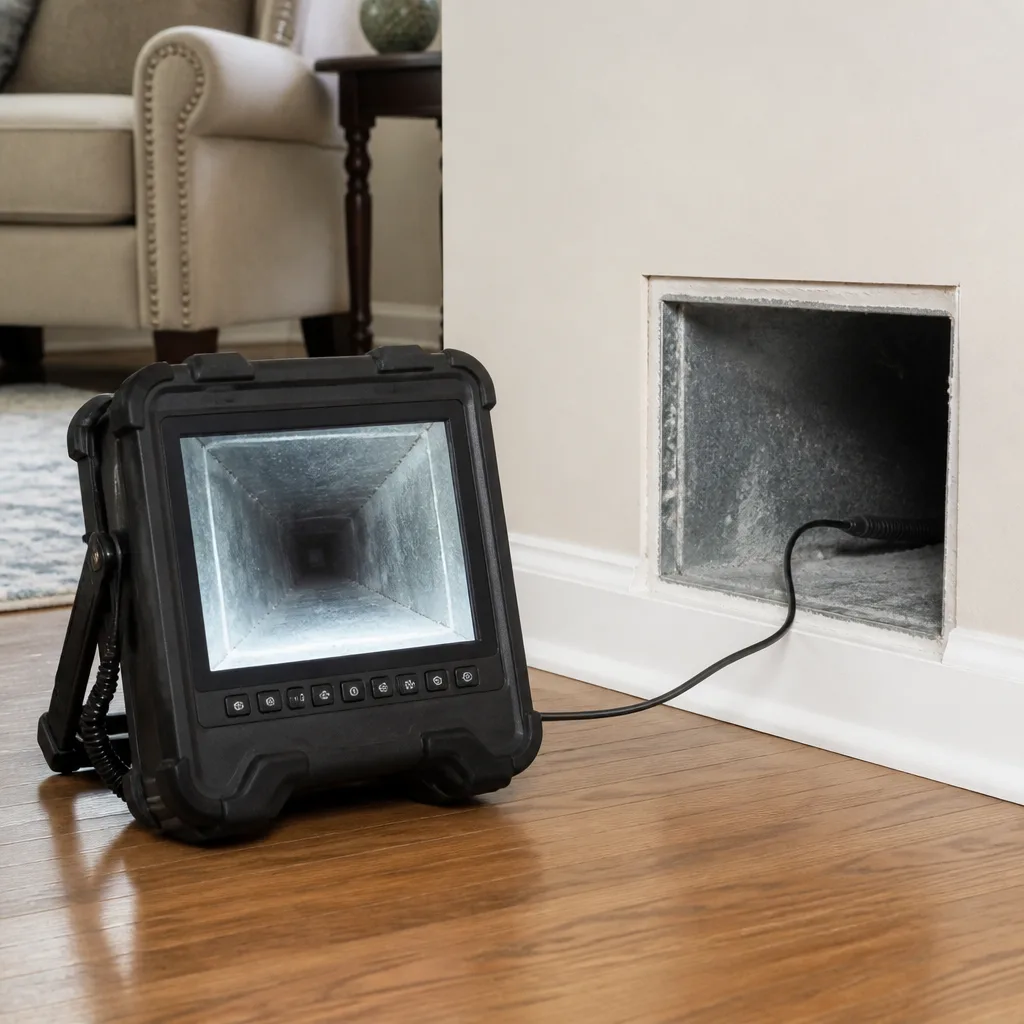 Camera inspection
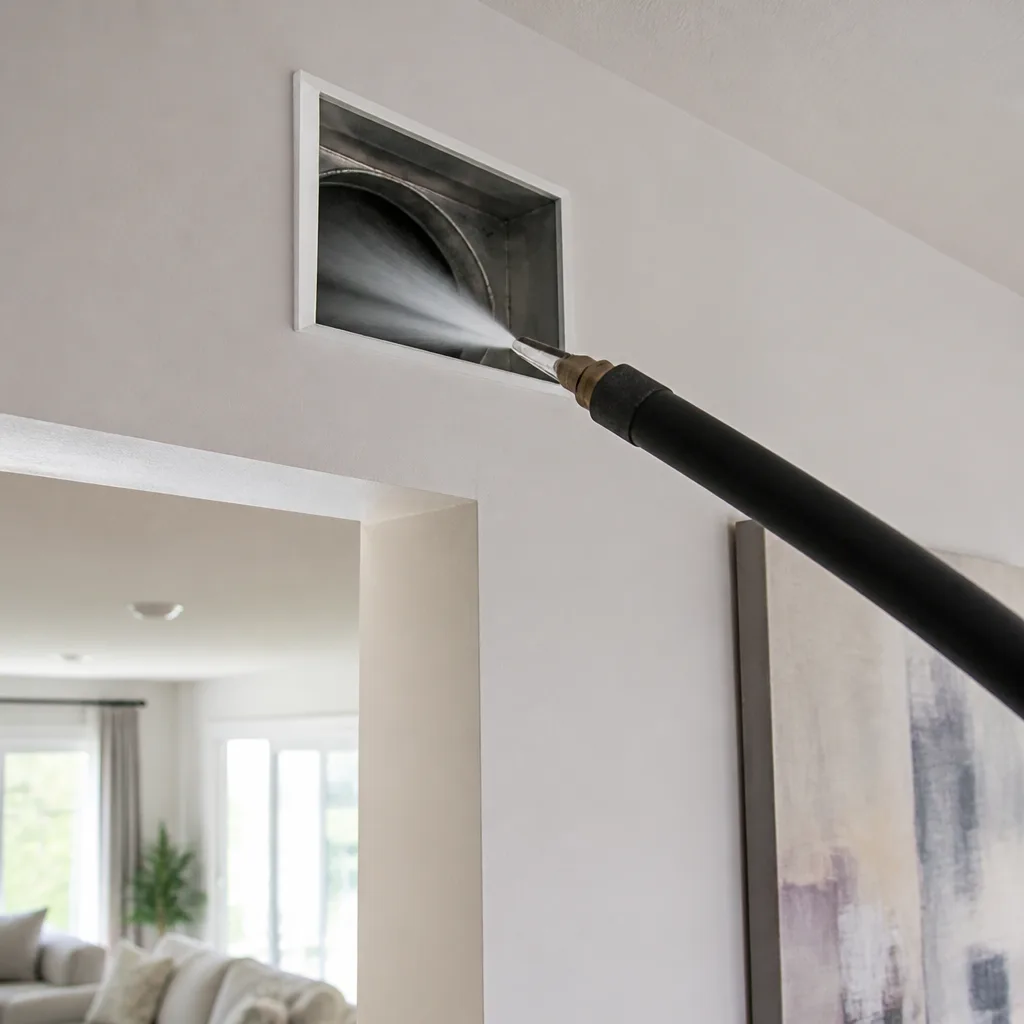 Sanitizing & deodorizing
Whole-system duct and dryer vent check with before-and-after photos - you see exactly what came out of your vents
That "$99 whole-house special" is a bait ad - the real number appears once they are in your hallway, or the "clean" is a shop-vac at the register. We photograph the inside of your ducts before and after instead.
Honeywell Register & Grille Cleaning: The Long Beach Owner’s Guide
We clean Honeywell registers and grilles throughout Long Beach, and the typical job runs $120 to $380 depending on how many units you have and how much buildup has worked into the fins and louvers. That price includes removal, degreasing, fin straightening where needed, and reinstallation with the airflow verified. Most owners call us because a register that used to sit flush now rattles, or because the airflow in one room has quietly dropped while the rest of the house feels fine.
Honeywell builds registers and grilles that hold up better than the big-box generics, but Long Beach’s coastal air does something specific to them: salt-laden moisture bonds with household dust and forms a film that bakes onto the aluminum fins. Once that film sets, you can’t wipe it off with a rag. It has to be removed, soaked, and worked free with the right solution. That’s the job most people are actually facing when they search for this, and it’s one we handle on a regular basis.
Key takeaways:
- Honeywell register and grille cleaning in Long Beach typically costs $120 to $380 for a full-home set
- We clean the units you already have, which beats replacing them when the metal is still sound
- The 365-Day Done Right Promise covers the work in writing for a full year
- Written price before we touch anything, so the number you’re quoted is the number you pay
Which Honeywell Models This Applies To
This service covers Honeywell’s residential register and grille lines, including the standard 2×10, 4×10, 4×12, and 6×12 floor and wall registers, plus the larger return-air grilles that Honeywell sizes for 14×20, 16×20, and 20×25 filter openings. If you flip the unit over or look at the inside edge of the frame, Honeywell stamps the model and size directly into the aluminum or steel. If that stamp has worn off, we measure the rough opening and the fin count to identify what you have. The compatibility gotcha most owners miss is this: Honeywell’s residential registers use a fin spacing that does not always match aftermarket replacements, and a mismatched unit will whistle or choke the airflow even when it drops right into the same opening.
When a register is too far gone to clean, we can source the OEM Honeywell part or a quality equivalent. We’re an independent service provider and not affiliated with Honeywell, but we work with their residential line every week and can tell you honestly whether cleaning makes sense or whether the metal has fatigued to the point that replacement is the smarter money. In Long Beach’s salt-air environment, older Honeywell registers from the 1990s and early 2000s sometimes corrode at the damper pivot, and that’s not something cleaning will fix.
Styles & brands we work with
Signs Your Honeywell Register & Grille Cleaning Is Failing
- Rattling when the system cycles on – dust and debris have built up around the damper mechanism, so it no longer seats firmly and the airflow makes the whole unit chatter.
- Visible gray or brown film on the fins – that’s the Long Beach coastal dust and salt mix that’s bonded to the metal. It won’t rinse off and it’s actively reducing how much air moves through.
- Uneven airflow between rooms – if one room that used to stay comfortable now feels stuffy while others are fine, the register in that room is usually the choke point.
- A musty smell when air blows – buildup on the back side of the grille holds moisture from Long Beach’s humidity, and that’s where odor takes root.
- Dampers that won’t move or stay put – corrosion and grit have seized the pivot. Forcing it usually snaps the plastic tab, and then you’re replacing the whole unit anyway.
See the difference
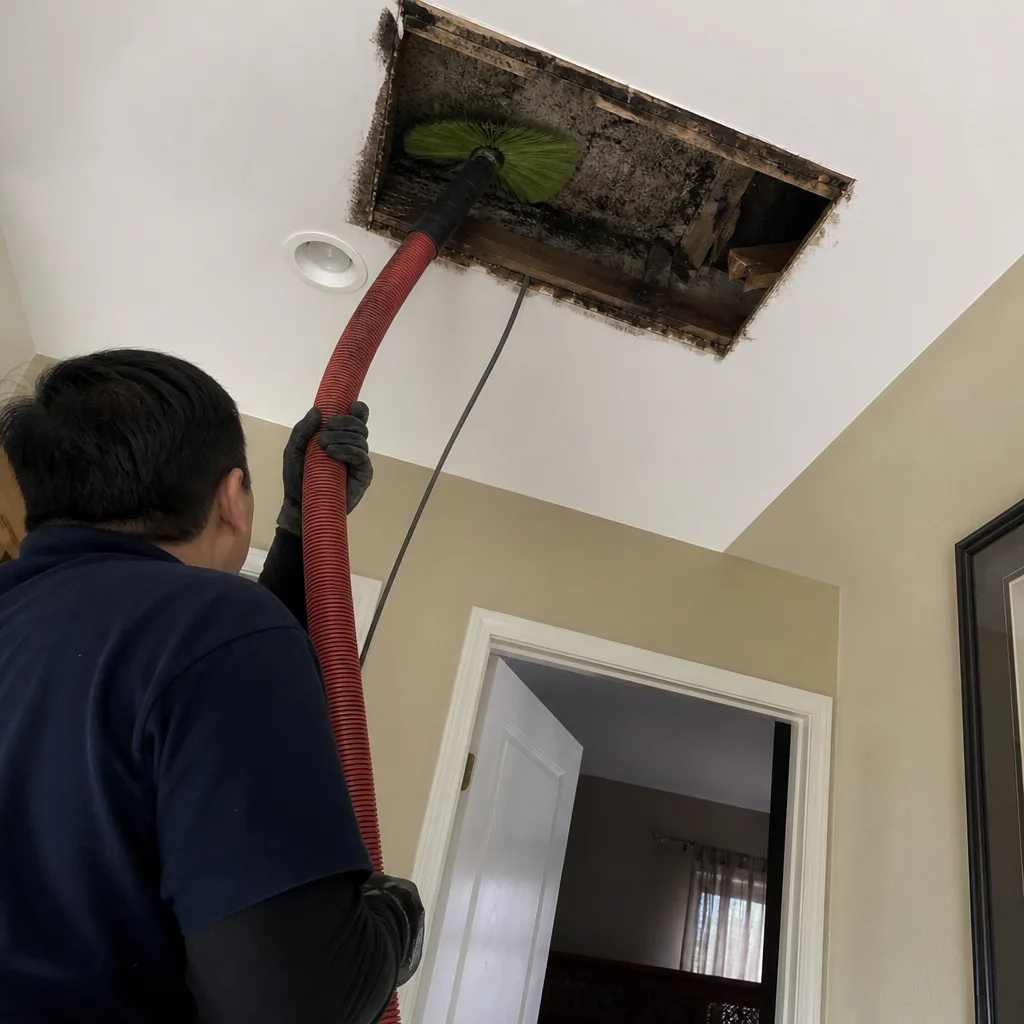 Before
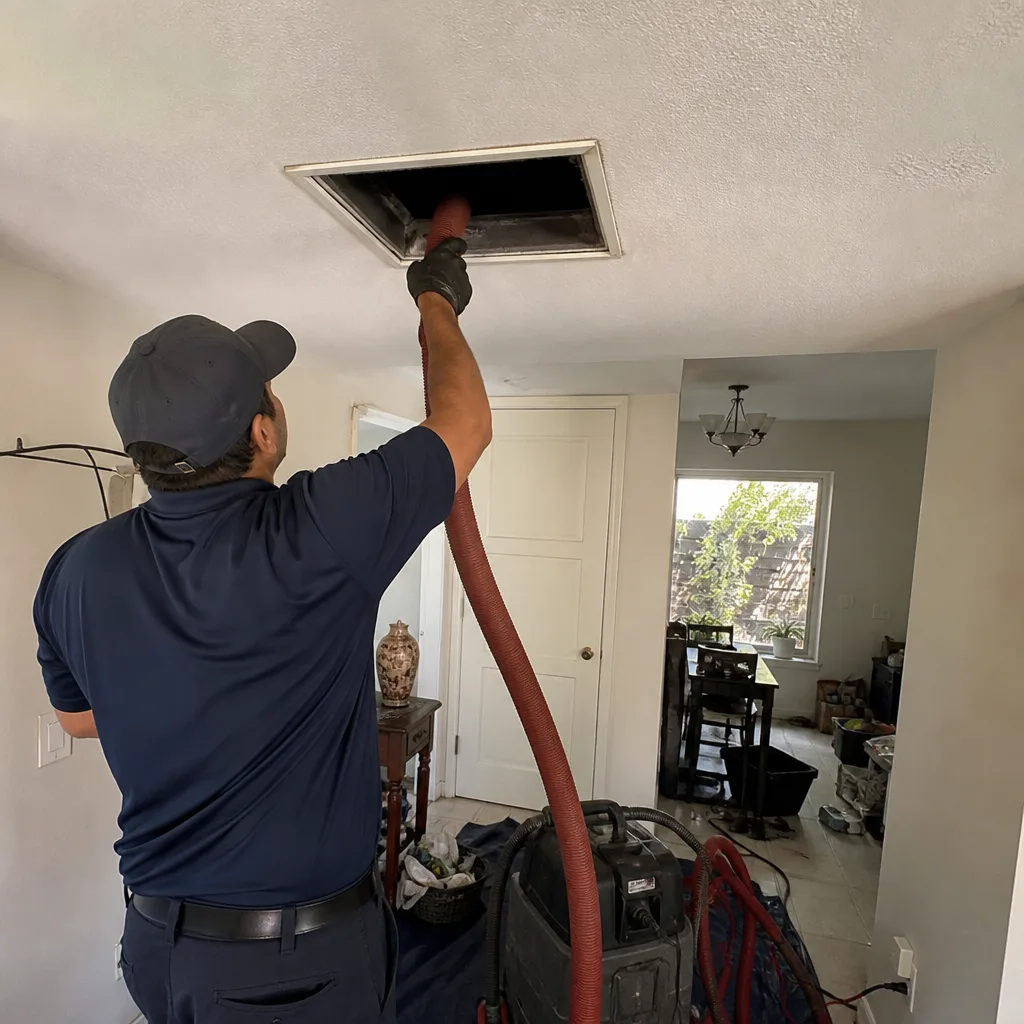 After
After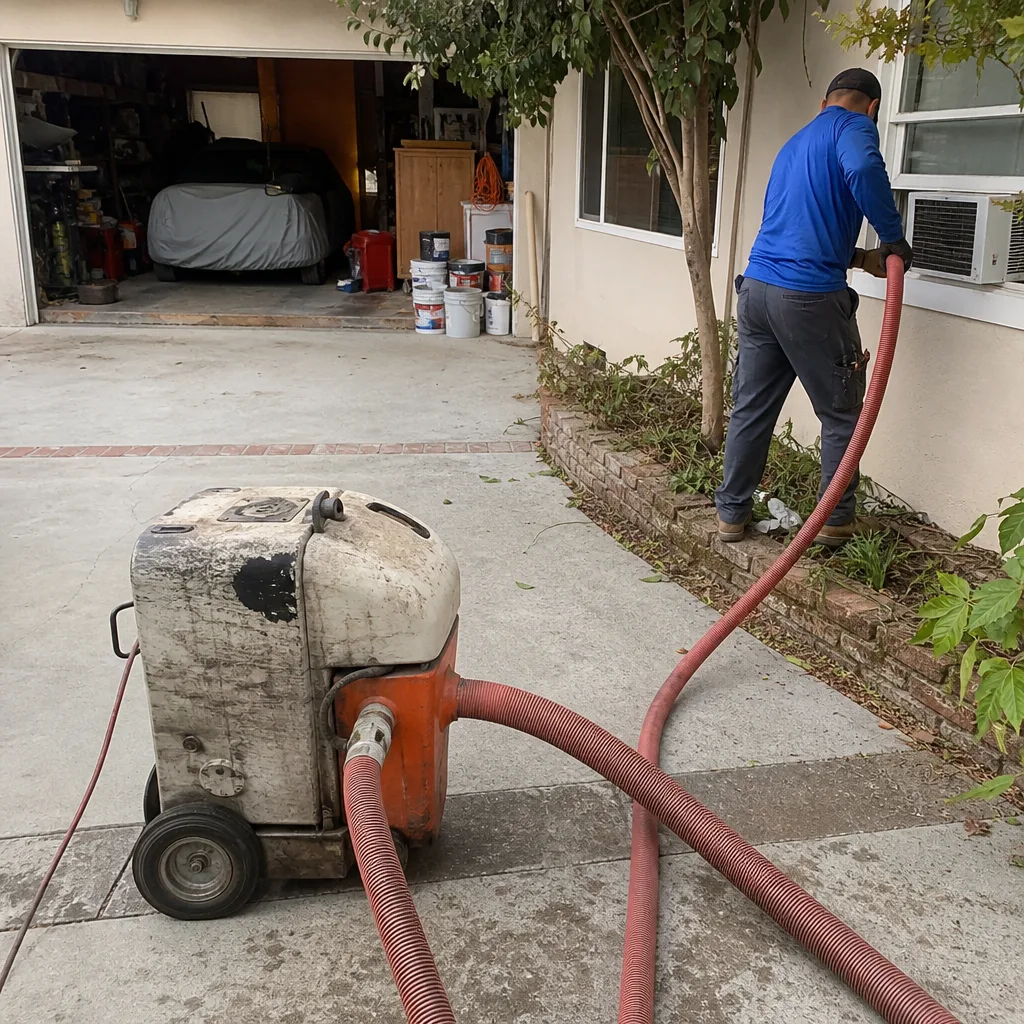 Before
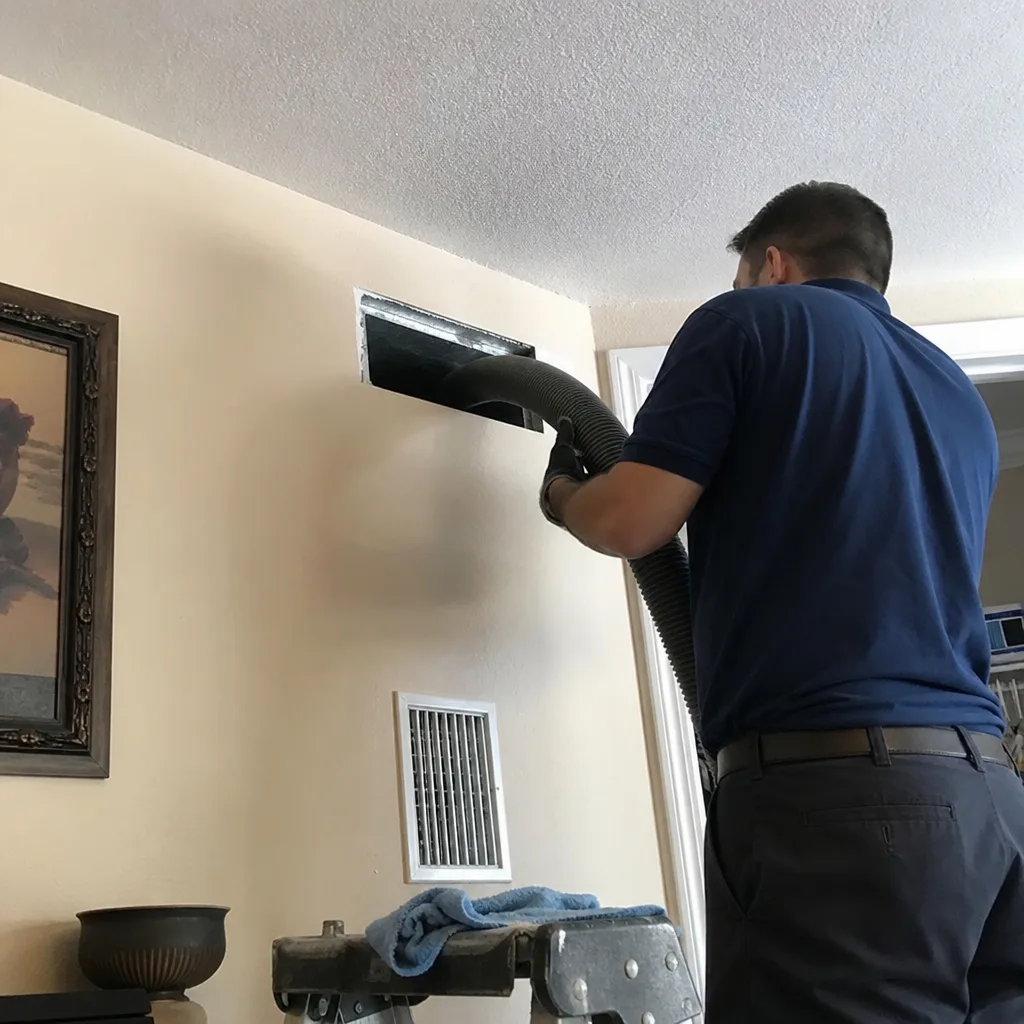 After
After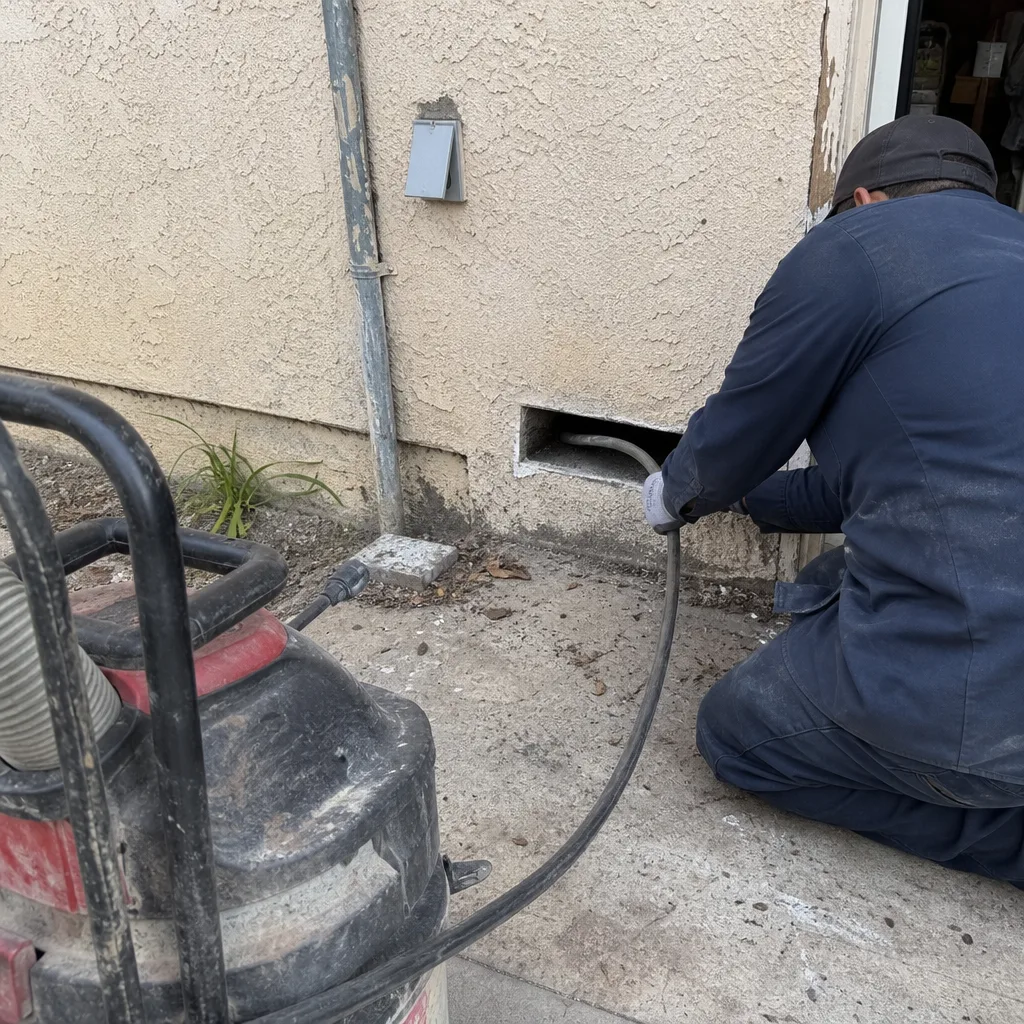 Before
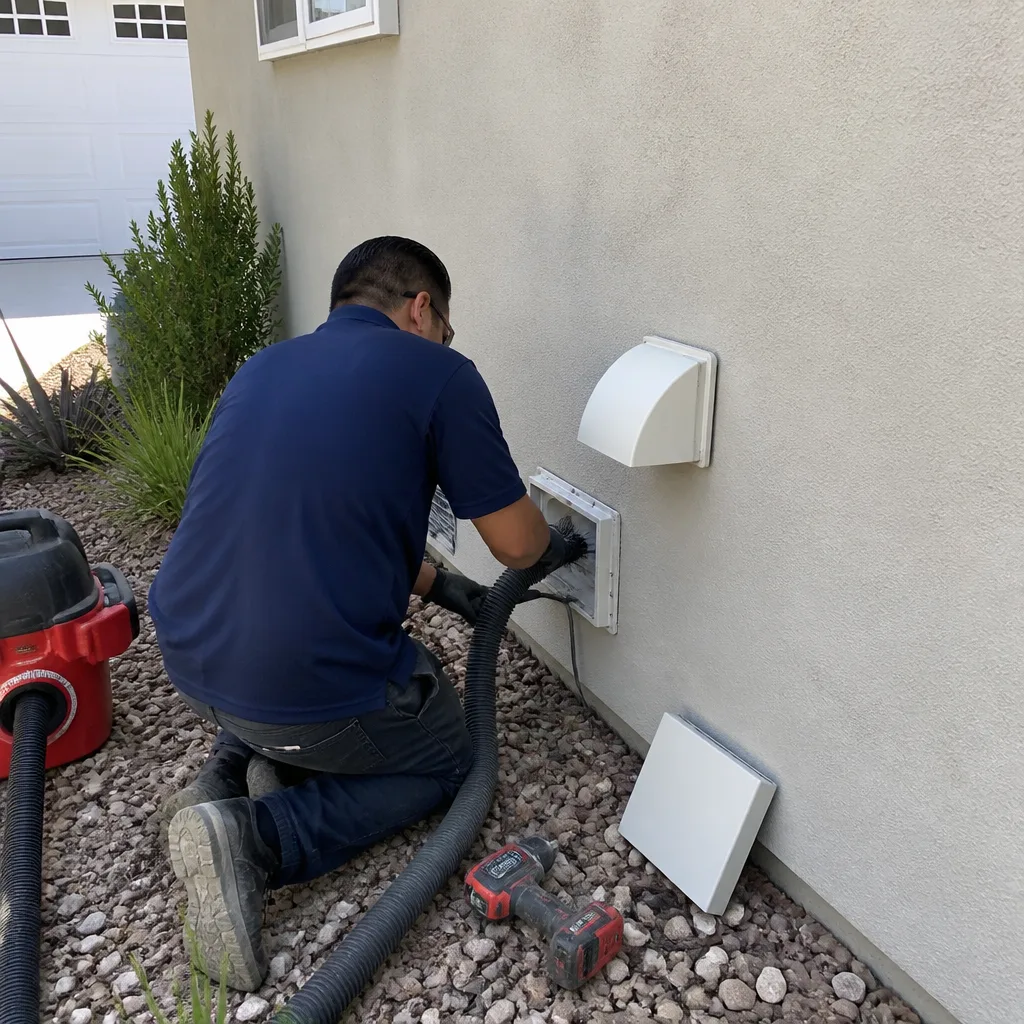 After
AfterReplacement Cost & What’s Included
Here’s the real pricing picture for Long Beach, not a teaser number:
| Scope | Typical Price Range |
|---|---|
| Single register or grille deep clean | $40 – $75 |
| Full-home register and grille cleaning (10 – 14 units) | $120 – $250 |
| Full-home cleaning plus one Honeywell register replacement | $180 – $320 |
| Full-home cleaning plus multiple replacements or larger return grilles | $250 – $380 |
What moves the price is how many units you have, whether the returns have filter slots that need attention, and how much buildup has to be soaked and worked off. We write the total down before we start, and that number doesn’t move when the technician is in your home. Replacement parts are quoted separately at cost plus a flat labor figure, so you always know exactly what the part costs and exactly what our labor costs. Every job is covered by the 365-Day Done Right Promise, which means if anything fails in the first year, we come back at no charge. No renegotiation, no fine print.
DIY or Call Us?
You can absolutely vacuum the face of a Honeywell register yourself, and you should. Pop it out of the opening with a flathead screwdriver wrapped in a cloth, vacuum both sides, and wipe it down with a damp rag. That maintains the unit between professional cleanings. What you shouldn’t try at home is removing the damper assembly or using strong degreasers on the fins. The damper parts are small and easy to misalign, and a register that doesn’t seat correctly will rattle or leak conditioned air into the wall cavity. Harsh chemicals can also strip the factory finish, which actually gives future buildup more surface to grab onto.
If the fins are caked, the damper is seized, or you’ve got ten or more registers that need real work, call us at (562) 548-7365. Roy Castellanos has been pulling registers out of Long Beach homes for years, from waterfront condos near the Queen Mary to older tract houses in Wrigley, and he’ll tell you straight whether a unit is worth cleaning or whether it’s time to replace it. Either way, you’ll learn it from someone who knows the difference. We don’t guess, and we don’t upsell work that the system doesn’t need.
FAQs
In Long Beach’s coastal air, a Honeywell register or grille typically lasts 12 to 18 years before corrosion or fin damage becomes a problem; units in homes farther from the water often go 20-plus years. We see the shortest lifespans in homes within a mile or two of the ocean, where salt air speeds up corrosion on the damper pivots. Cleaning every 2 to 3 years extends the useful life, especially for units in those coastal zones. Call (562) 548-7365 for an honest assessment of whether your Honeywell registers are worth cleaning or past the point of saving.
A Honeywell register with a loose damper tab or a bent fin can sometimes be repaired, but a seized damper pivot or corroded frame usually means replacement. We’ll tell you up front which category yours falls into, because spending repair money on a unit that’s structurally done is just burning cash. The assessment is part of the estimate, and the estimate is free. Call (562) 548-7365 to have us take a look.
A full-home Honeywell register and grille cleaning in Long Beach takes 1 to 2 hours depending on how many units you have and how much buildup needs to be worked off. We remove every unit, clean it properly, and reinstall it with the damper set the way it was. The price you get before the job starts is the price you pay when we leave. Call (562) 548-7365 to schedule a visit.
We stock common Honeywell register and grille sizes on the truck, including 4×10, 4×12, 6×12, and the larger return-air grilles, so if cleaning reveals a unit that needs replacement, we can usually handle it the same day. If you need a less common size, we’ll order it and schedule you back. We also work with registers and grilles from Lennox, Trane, and Carrier, so if your system is mixed, we can service the whole house in one visit. Call (562) 548-7365 and describe what you’re looking at, and we’ll tell you what we carry.
Written by Roy Castellanos, Owner, Hollis Air Duct Long Beach at Hollis Air Duct Long Beach, serving Long Beach and nearby areas.