
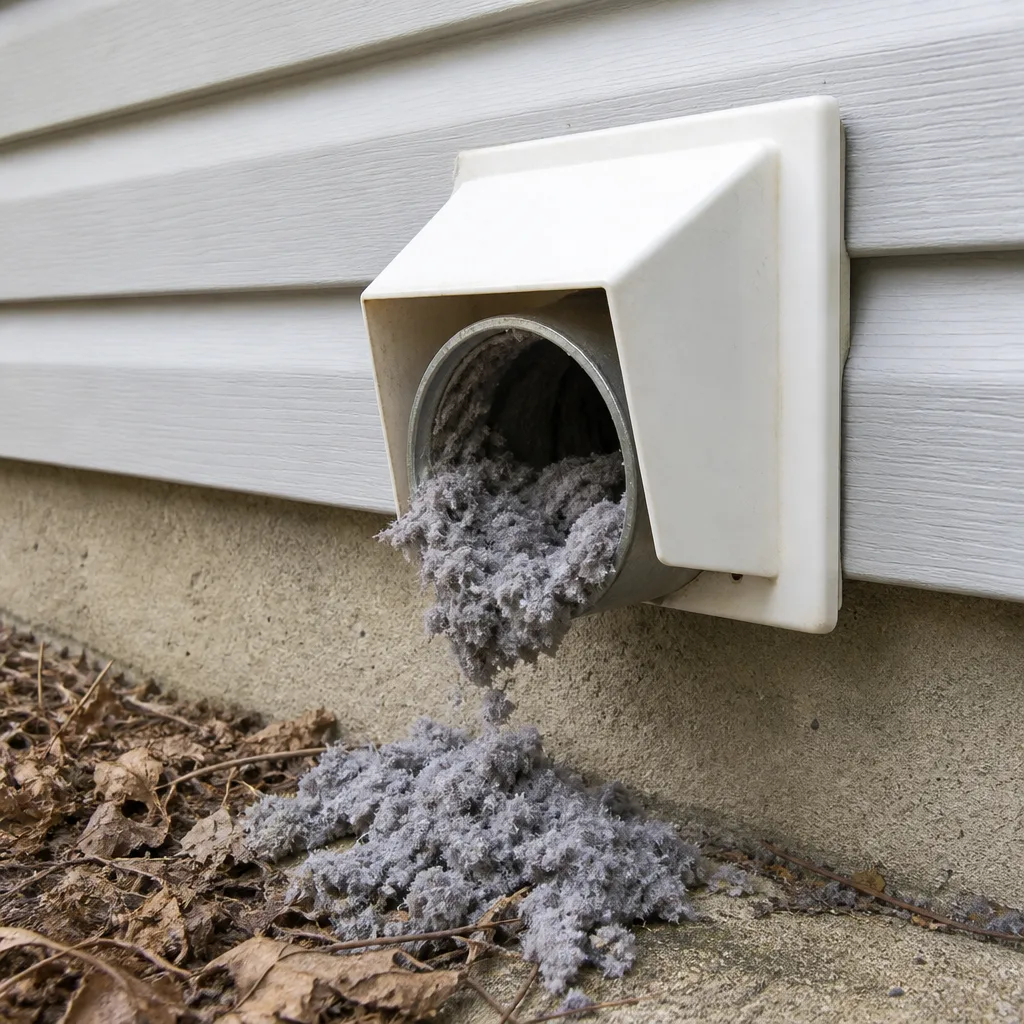
 Dryer vent cleaning
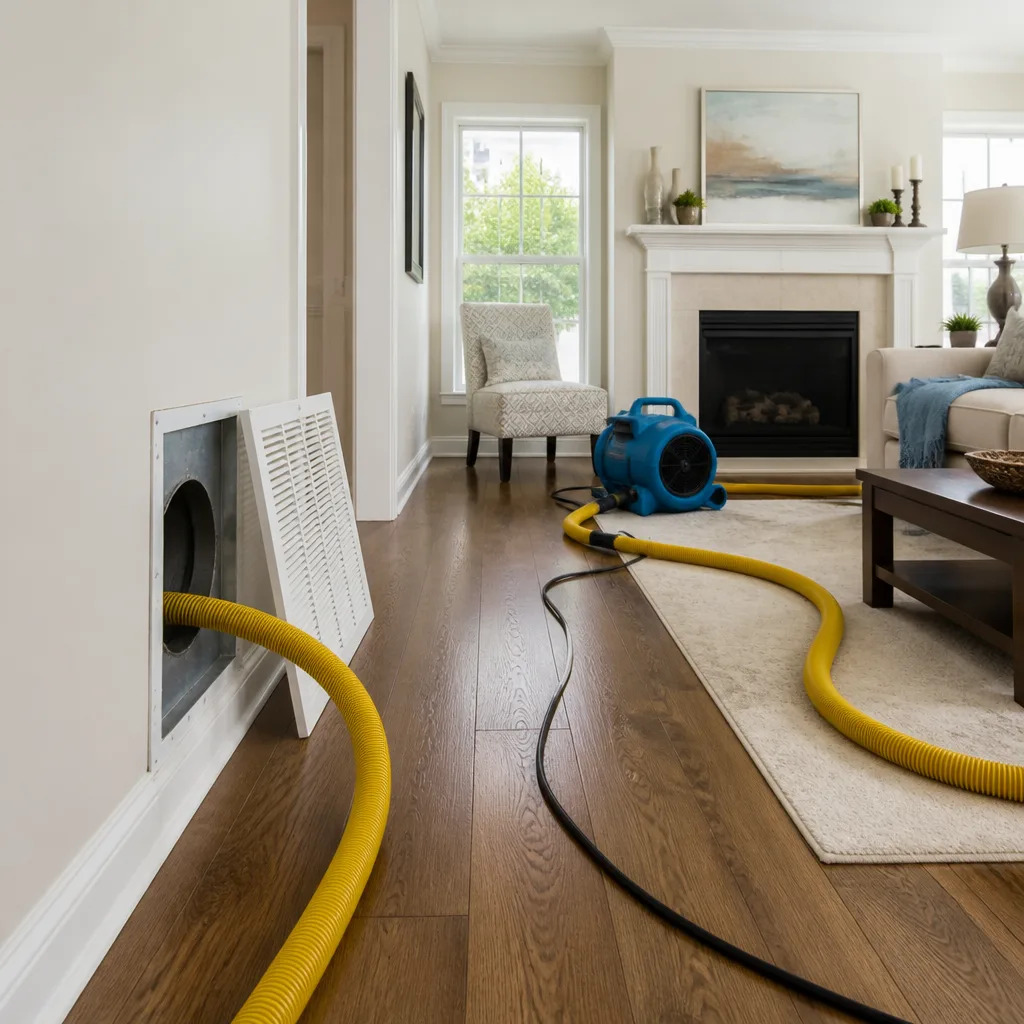 Whole-home duct cleaning
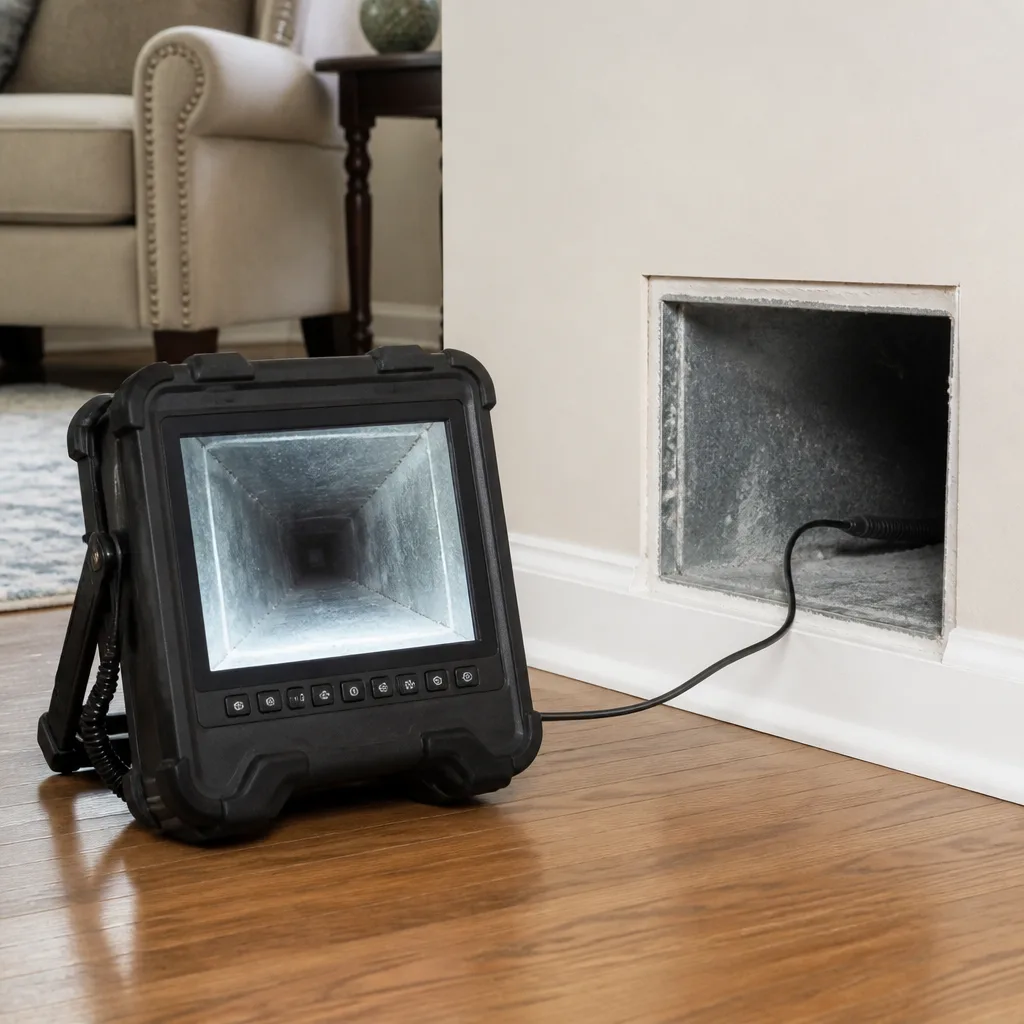 Camera inspection
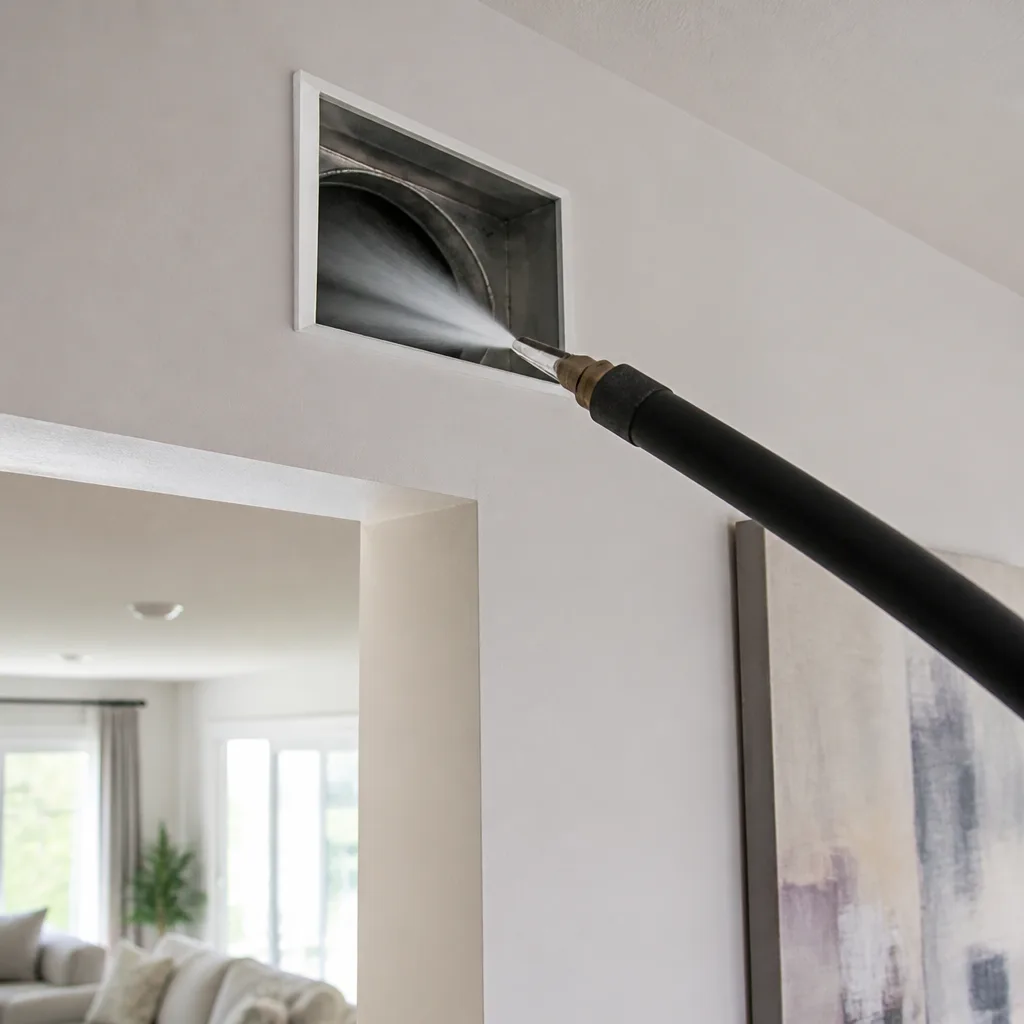 Sanitizing & deodorizing
Whole-system duct and dryer vent check with before-and-after photos - you see exactly what came out of your vents
That "$99 whole-house special" is a bait ad - the real number appears once they are in your hallway, or the "clean" is a shop-vac at the register. We photograph the inside of your ducts before and after instead.
Honeywell Dryer Vent Cleaning in Long Beach: What to Know First
Honeywell dryer vent cleaning in Long Beach typically runs $129 to $289 for a standard single-dryer vent, and most jobs are completed the same day we arrive. We’re an independent service provider – not affiliated with or authorized by Honeywell – but we clean and service their dryer vent systems more than almost any other brand in the Long Beach area. If your Honeywell dryer is taking longer to dry, the vent is warm to the touch, or you’re seeing lint at the exterior cap, call (562) 548-7365 for a written estimate before any work starts.
Key Takeaways
- Honeywell owns the venting category in Long Beach homes built after 2000, but the flexible transition ducts on many of their installations are the single biggest fire risk we see.
- We provide independent Honeywell dryer vent cleaning and are not an authorized Honeywell service provider – which means we make parts and pricing decisions based on your home, not a corporate script.
- Every Honeywell vent cleaning in Long Beach gets a written price before work begins and is covered by the 365-Day Done Right Promise.
- The most common call we get from Long Beach Honeywell owners is a dryer that runs fine but won’t dry – caused by a vent that’s choked with lint.
How Honeywell Products Fail – and How We Fix Them
Honeywell makes solid equipment, but every vent system fails eventually. In Long Beach, we see the same failure modes repeat themselves across the city, from Alamitos Heights to Bixby Knolls. Here’s what actually goes wrong:
- Flexible transition duct collapse on the DR series. Honeywell’s DR-series dryer vents and the semi-rigid flexible transition ducts paired with them are prone to kinking and crushing behind the dryer, especially in tight Long Beach laundry closets. We find collapsed ducts in maybe one of every four Honeywell homes we visit. The fix is a full vent inspection, rerouting the transition duct with proper clearance, and replacing crushed sections with UL 2158A-listed rigid or semi-rigid aluminum.
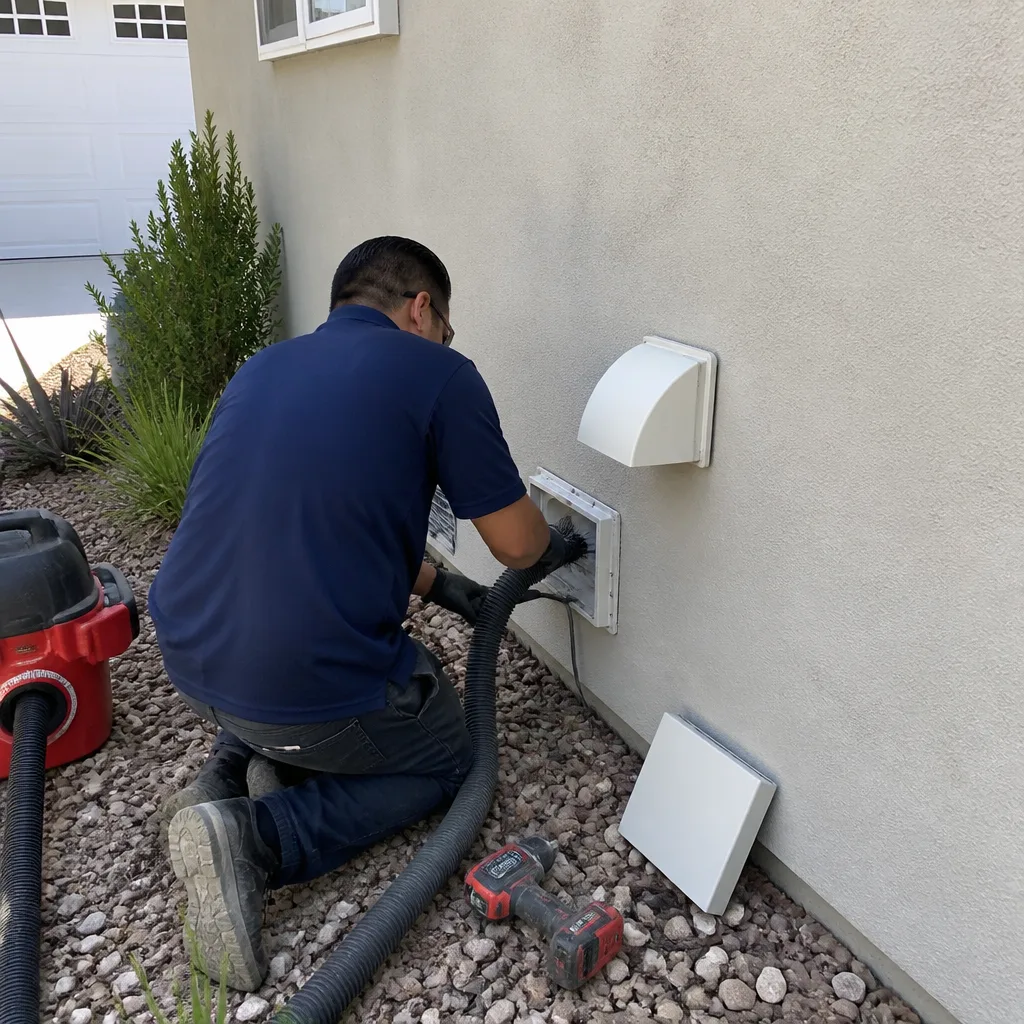
- Lint packing at the first elbow. Honeywell’s vent exhaust paths turn sharply at the wall, and that first 90 is where lint accumulates fastest. On the DW-series wall caps and older installations with ribbed flexible ducting, lint catches on every rib like a trap. We remove the cap, clean the elbow with a rotary brush, and run a negative-air machine to pull loose lint out of the entire run.
- Backdraft damper failure on exterior caps. Honeywell’s EX-series vent caps include a small flapper damper that prevents outside air and pests from entering. In Long Beach’s salt air, that flapper corrodes or seizes open after three to five years. Owners hear a flutter on windy days or notice the laundry room smells like the outside. We replace the cap with a new unit and clean the vent run at the same time.
- Bird and rodent intrusion through worn caps. Honeywell caps with plastic louvers degrade under Long Beach sun. Once the louvers crack, starlings and sparrows get in and build nests inside the vent run. We pull the nest material out, clear the vent, and install a proper bird guard or replacement cap with a working damper.
- Dryer running hot but not drying – moisture sensor confusion. Honeywell dryers use moisture sensors in the drum, and when the vent is restricted, the sensor misreads the damp air as still-wet clothing. The dryer keeps cycling heat, the vent gets hotter, and the failure looks like an appliance problem when it’s actually a vent problem. We clean the vent and verify airflow at the exterior cap before the homeowner spends money on a service call for the dryer itself.
That last one matters. We’ve saved Long Beach Honeywell owners from replacing perfectly good dryers because the real issue was a vent packed with lint from the last decade.
Styles & brands we work with
Our Honeywell Dryer Vent Cleaning Process
Every Honeywell job follows the same sequence, so you know exactly what’s happening and what it costs before we touch anything.
- 1
Inspection with the price in writing. We pull the dryer out, check the transition duct, the wall connection, and the exterior cap. We write down what we find and what the fix costs. The price doesn’t move after this, ever.
- 2
Rotary brush cleaning. We run a Rotobrush rotary brush system through the entire vent run, from the dryer connection all the way to the exterior cap. The brush knocks loose caked-on lint and debris that a vacuum alone won’t remove.
- 3
Negative-air collection. A Nikro negative-air machine runs the whole time, pulling loosened lint out of the vent and trapping it in a HEPA filter. We don’t just blow lint out the cap end – we capture it so it doesn’t spray across your side yard.
- 4
Parts decision. If the cap is corroded, the transition duct is crushed, or the damper is seized, we’ll show you the part and explain what we recommend. We use OEM Honeywell caps when the homeowner wants an exact match, but we’ll tell you plainly when a quality aftermarket part does the same job for less.
- 5
Airflow verification. We check airflow at the exterior cap with the dryer running. If we’re not pulling strong, steady air, we go back and find out why. Roy won’t sign off on a job until the airflow is measurably better than what we found.
- 6
Site left clean, guarantee in writing. We reinstall the dryer, leave the laundry area as we found it, and hand you a written copy of the 365-Day Done Right Promise. If anything fails within a year, we come back at no charge – no renegotiation, no service fee.
See the difference
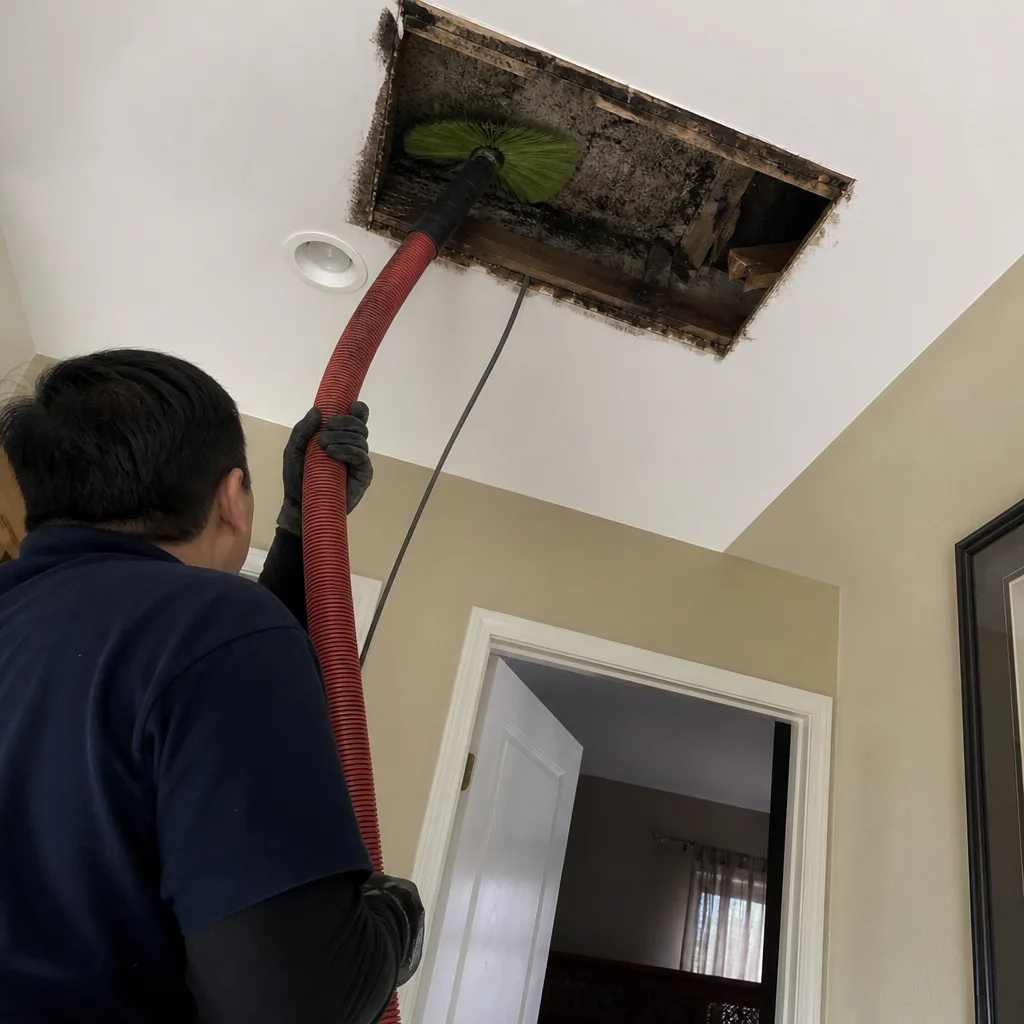 Before
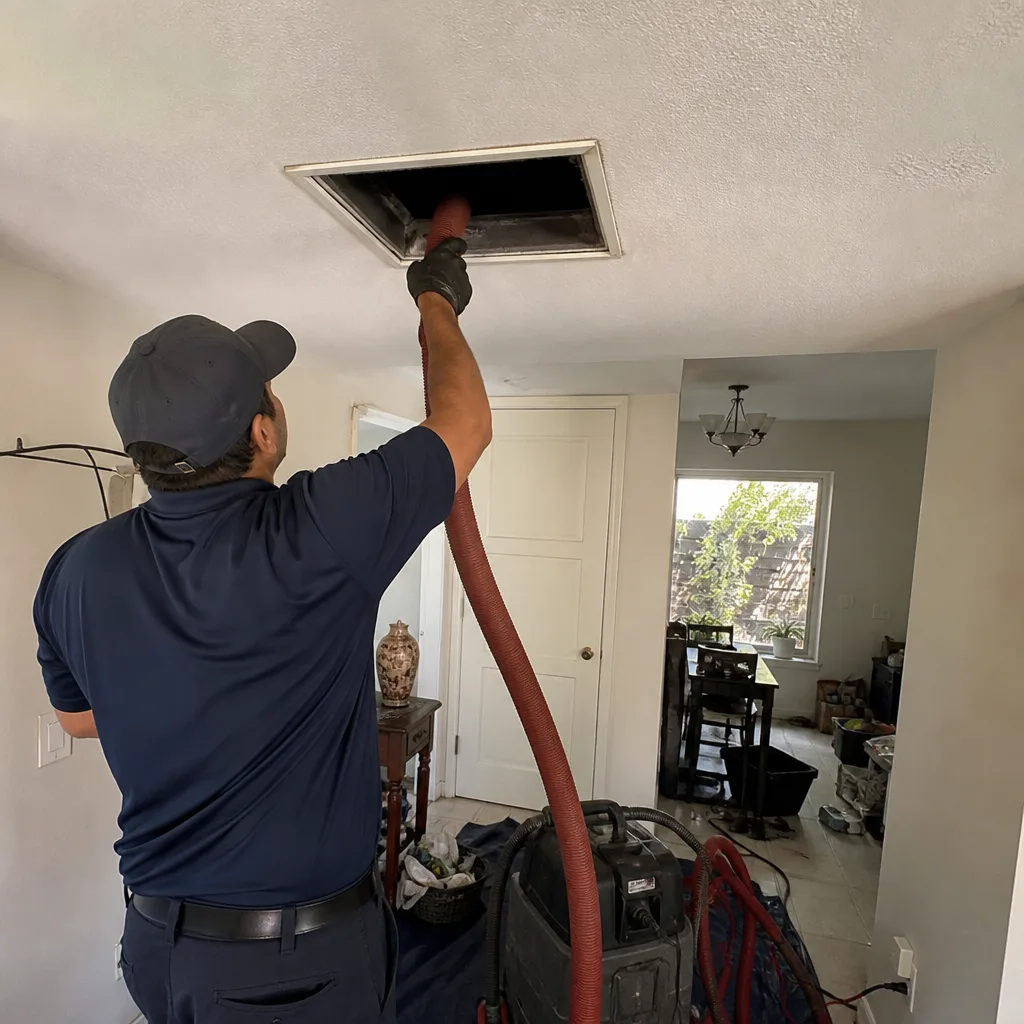 After
After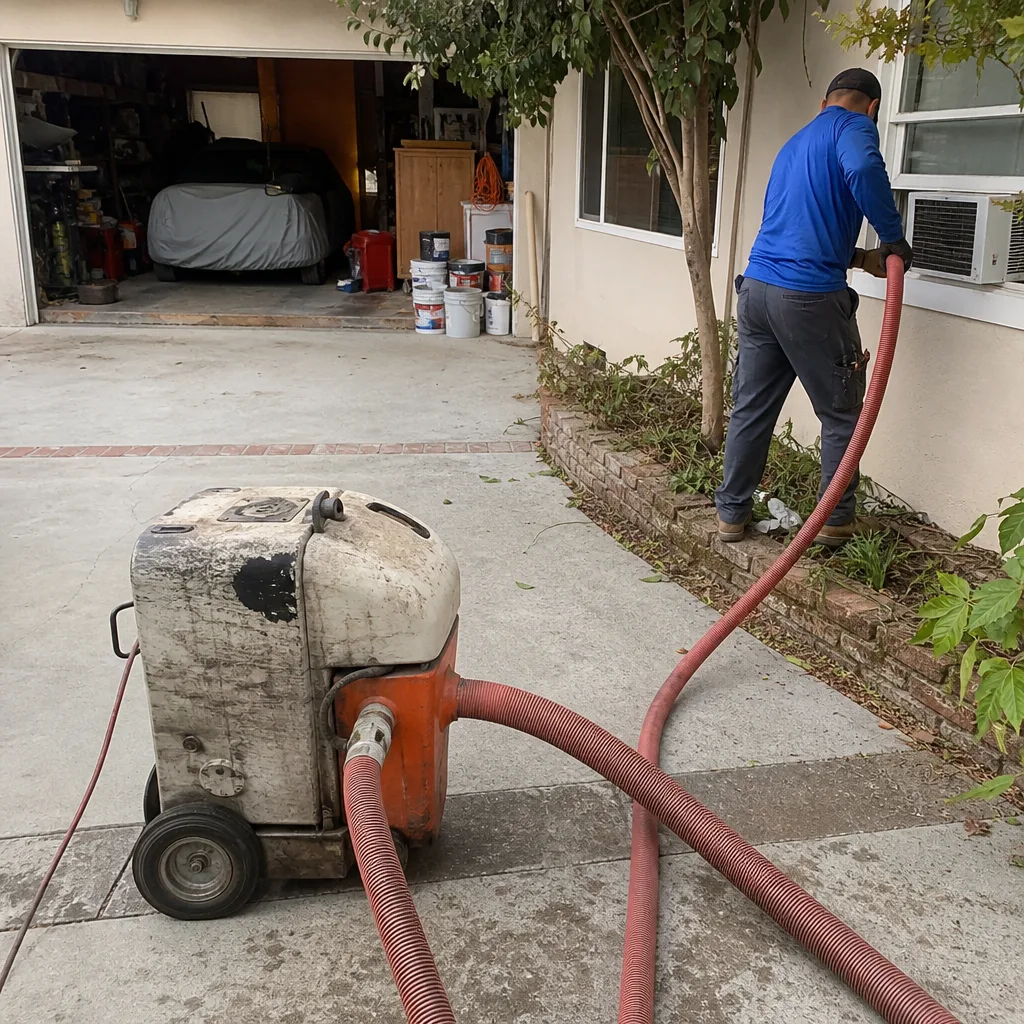 Before
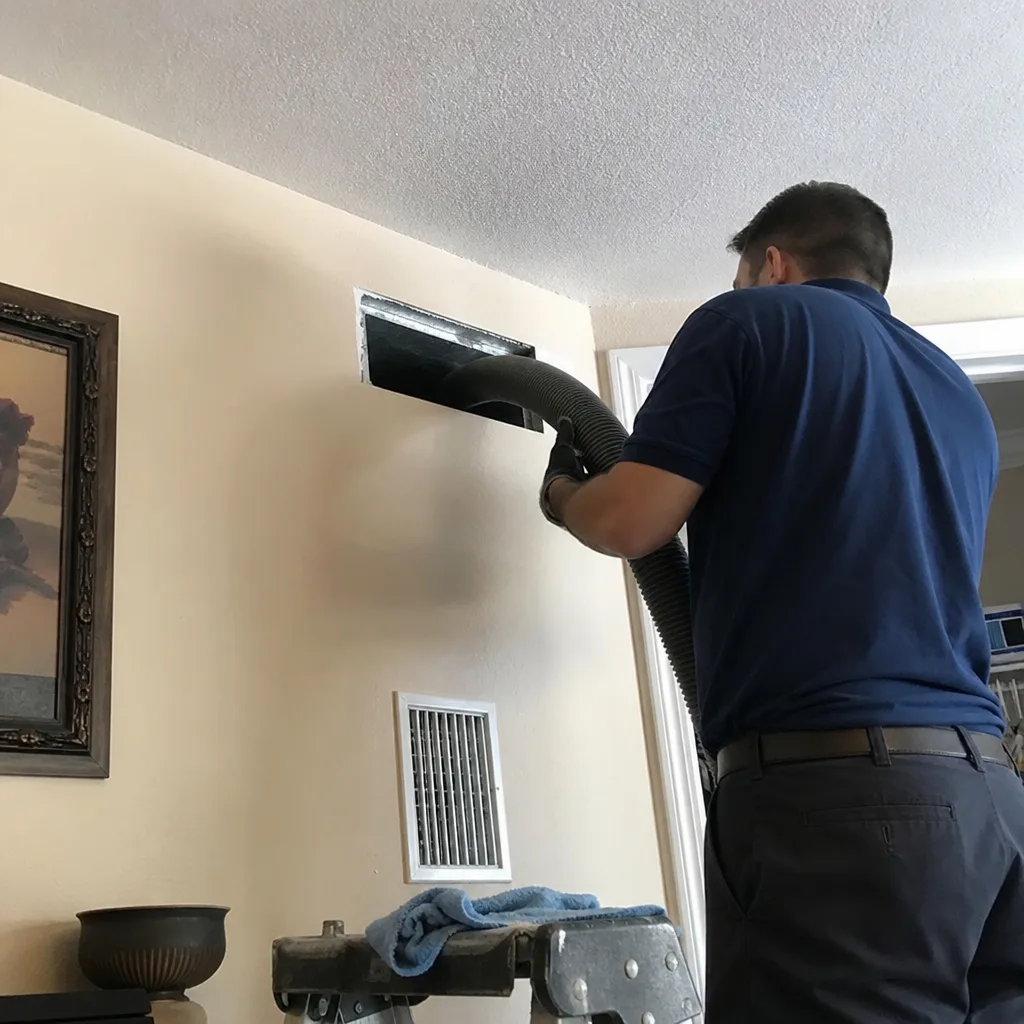 After
After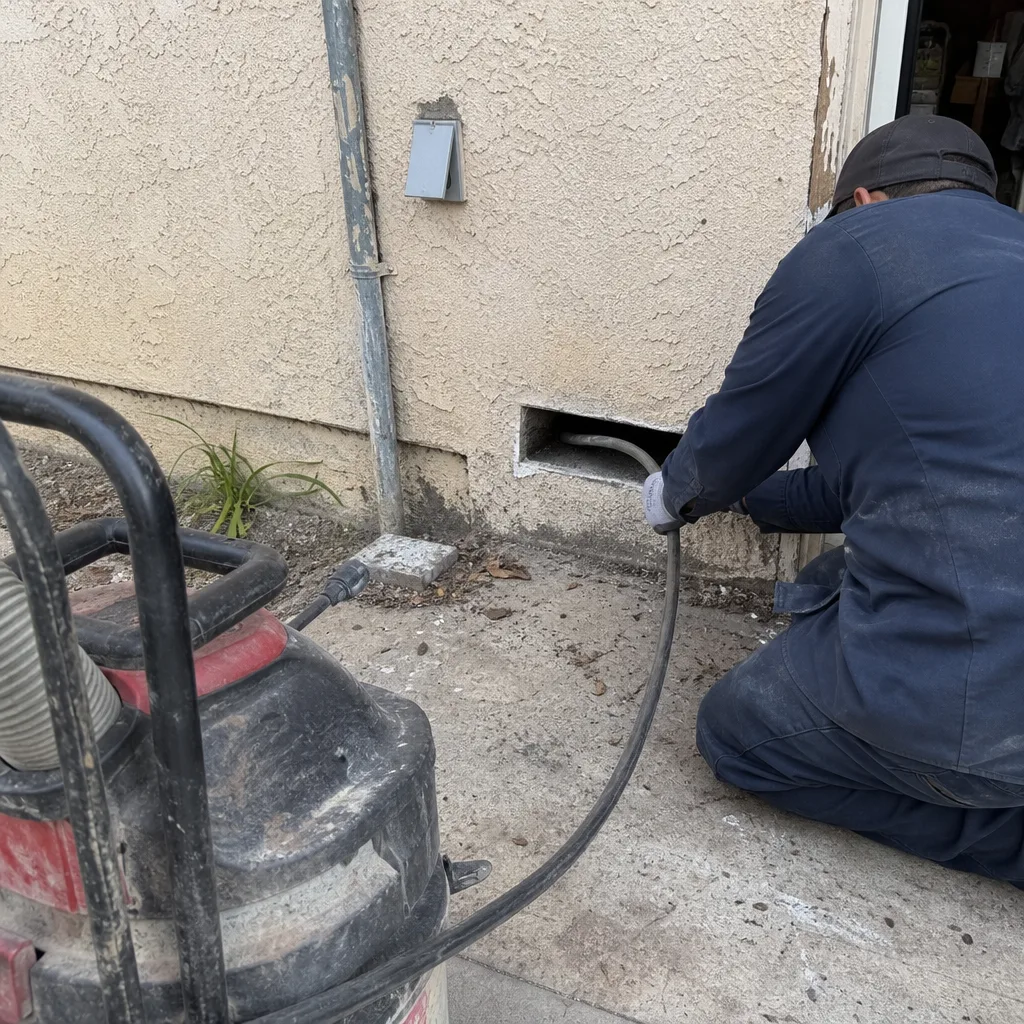 Before
 After
AfterWhat Honeywell Dryer Vent Cleaning Costs in Long Beach
Here’s what we charge for common Honeywell scenarios, written in plain numbers so you can plan before you call:
- Standard single-dryer vent cleaning: $129 to $189 – covers a typical 10 to 20-foot vent run with accessible dryer and cap locations.
- Long or complex vent runs: $189 to $289 – includes multi-story runs, vents over 20 feet, or installations where the dryer is on an interior wall with a lengthy horizontal path.
- Exterior cap replacement: $65 to $140 for the cap and labor, depending on whether it’s a standard louvered cap or a low-profile Honeywell-style damper unit.
- Bird guard installation: $45 to $85, typically added to a cleaning visit.
- Crushed transition duct replacement: $35 to $75 for the duct section, installed during the cleaning.
What moves the price: how long the run is, whether the cap is accessible from a ladder, and how much disassembly the dryer closet requires. Nothing about the price changes because we’re standing in your laundry room. Call (562) 548-7365 for a free estimate – we’ll give you a written number based on your specific setup.
Why Long Beach Homeowners Call Hollis Air Duct Long Beach for Honeywell Work
We’ve been doing this since 2004, and our approach hasn’t changed: show up inside the window, put the price in writing, do the work by the book, and leave the site clean. That’s The Garrison Standard, and it’s the operating code for every technician who walks into a Long Beach home with a Hollis uniform on.
When we work on a Honeywell vent, we’re also thinking about the broader system around it. Roy grew up in East Los Angeles and trained through the HVAC program at East Los Angeles College, then spent years working every kind of duct system this region throws at you. He’s seen Honeywell installations paired with Lennox, Trane, and Carrier dryers, and he knows how each brand’s exhaust characteristics affect the vent. That matters when the issue is a vent restriction that’s causing a Lennox dryer to overheat or a Carrier unit to throw a moisture code. We’re not guessing – we’re reading the whole system.
Every job is covered by the 365-Day Done Right Promise in writing. If our work fails within a year, we come back and make it right at no charge. That’s not a slogan. It’s the line on the invoice. Clean ducts aren’t a luxury – they’re just what the system needs to do its job.
Frequently Asked Questions
No, cleaning the vent does not void your Honeywell dryer warranty, and in fact a clogged vent is one of the most common reasons a dryer fails prematurely. We use cleaning methods that don’t damage the vent run or the dryer’s exhaust connection. We’re an independent Honeywell service provider – not a Honeywell authorized shop – so we don’t stamp paperwork with any claim that affects your warranty one way or the other.
For most Long Beach households, once a year. If you run the dryer daily with a large family, do laundry for pets, or have a vent run over 15 feet, every six to nine months is safer. We see homes near the coast where salt air accelerates cap corrosion, and homes further inland where longer vent runs accumulate lint faster. When we clean your vent, we’ll tell you what we found and when you should realistically schedule the next one based on how your vent was loaded. Call (562) 548-7365 and we’ll give you an honest schedule for your specific home.
We can, and we stock Honeywell-compatible OEM caps for most common Long Beach setups. But we’ll be straight with you: some quality aftermarket caps do the same job at a lower price, with better salt-air corrosion resistance than the OEM plastic units. We show you both options and the written price for each, and you decide. No pressure either way – the decision is yours and it’s made before we install anything.
In our experience, that’s almost always a restricted vent, not a failed dryer. Honeywell dryers use moisture sensors to decide when laundry is dry, and when the vent is choked, the moisture can’t escape fast enough. The dryer keeps heating because it thinks the clothes are still wet. We see this in Long Beach homes with older Honeywell models where the vent hasn’t been touched in years. We clean the vent and verify airflow at the cap – if the issue was the vent, the dryer dries like new. If the problem is actually the dryer, we’ll tell you that too and recommend an appliance tech. Call (562) 548-7365 for a vent inspection first, before you pay for a dryer service call.
Yes, but roof vent runs cost more and need a different setup. We use ladders and proper safety equipment, and for steeper Long Beach roof pitches we’ll sometimes recommend scheduling a second tech for safety. The cleaning method is the same – rotary brush and negative-air capture – but the access changes the price. Our written estimate covers the roof access, so there’s no surprise when we show up. Call (562) 548-7365 and describe your roof line; we’ll give you a price over the phone or come out for a free estimate.
Written by Roy Castellanos, Owner, Hollis Air Duct Long Beach at Hollis Air Duct Long Beach, serving Long Beach and nearby areas.